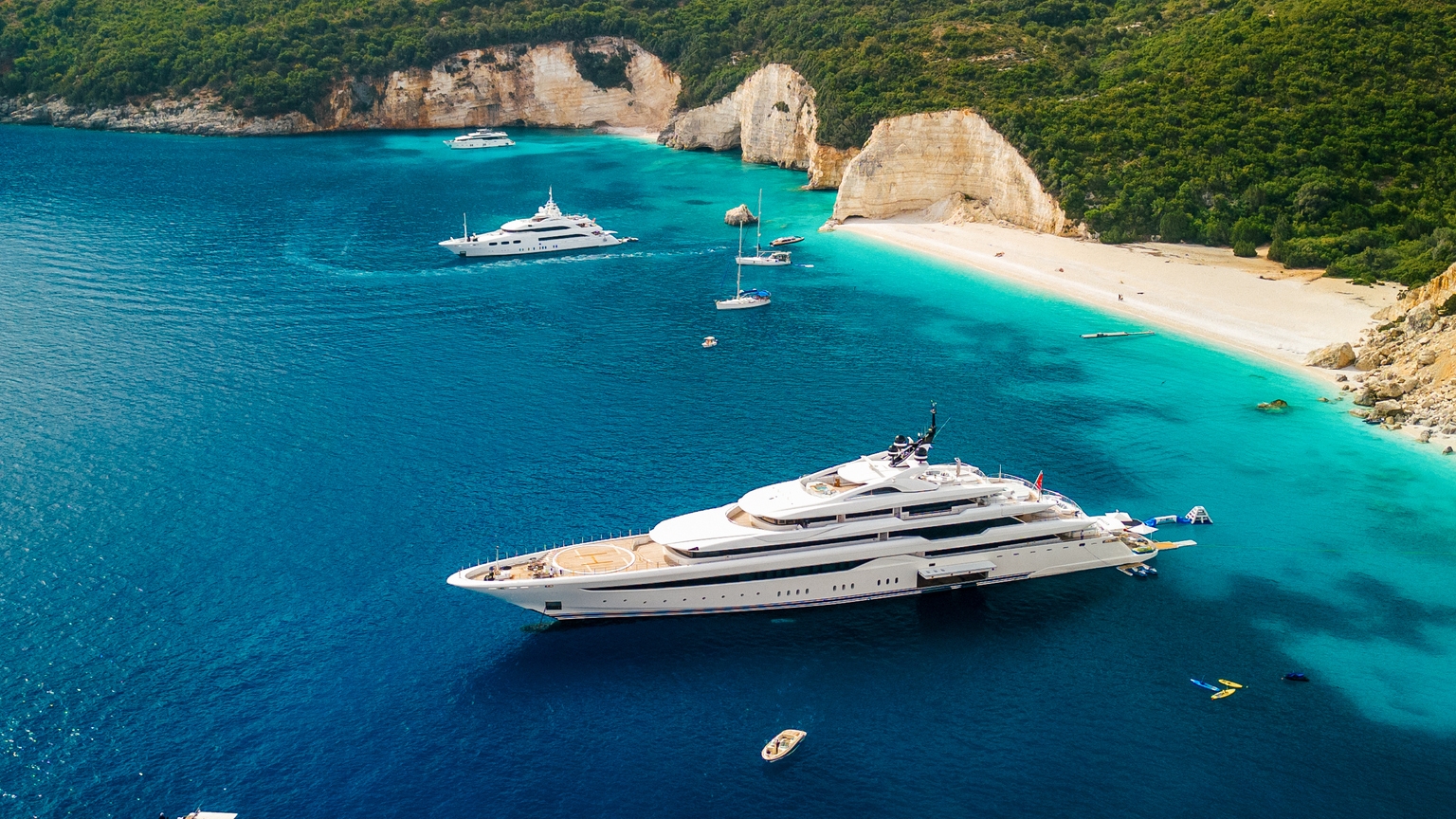
OneWater Marine's luxury yacht sales buoy the stock. Mass-market headwinds from interest rates and credit tightening create a two-track risk that upcoming earnings will expose.
The K-shaped recovery is driving a wedge through the marine retail sector. On one side, high-end consumers keep spending on luxury yachts. On the other, middle- and lower-income buyers are pulling back under pressure from elevated interest rates on boat loans, slowing wage growth, and tighter consumer credit. OneWater Marine (ONEW) operates dealerships on both sides of that divide. That positioning creates a risk event that does not resolve at a single quarterly report. It is a slow-burn divergence between two customer bases, and the stock's valuation is pricing neither extreme cleanly.
OneWater's dealership network covers mass-market boats and premium yachts. The luxury segment has remained resilient, supported by strong household balance sheets at the top of the income distribution and a post-COVID lifestyle shift that persists among affluent buyers. The mass-market side faces headwinds from higher borrowing costs and tighter credit conditions that squeeze potential boat buyers. The company's revenue mix leans toward the higher end, which has provided some insulation from the weaker mass-market trend. That same mix, however, creates a concentration risk. If the luxury tailwind fades, the stock has no second engine to fall back on.
Inventory management becomes the key operational test. OneWater must avoid accumulating too many high-dollar units that become harder to move if sentiment shifts. Dealer margins, which held up during the post-COVID boom, face pressure from floor-plan financing costs and price discounting on slower-moving models.
Luxury yacht demand still benefits from wealth effects and equity market gains at the top of the income distribution. OneWater Marine has positioned itself to capture that trend with premium brands and service offerings that command high margins. Yet the same K-shape that props up the high end also isolates it. A broader economic slowdown that hits asset prices or corporate bonuses could compress the luxury buyer pool faster than mass-market normalization would help.
The stock's premium valuation is predicated on sustained luxury demand. That premium is vulnerable to any softening in high-end spending indicators. Boat show attendance and order cancellation rates are early warning signals. If luxury demand weakens, the valuation multiple will need to adjust.
Two scenarios alter the risk profile. First, if mass-market boat sales deteriorate further, OneWater's lower-price inventory lines become a drag on working capital and force write-downs. Second, if luxury demand softens, the stock's premium valuation becomes exposed. The confirming data points include monthly consumer confidence reports, marine industry registration numbers, and OneWater's own quarterly earnings, specifically the mix of unit sales by price tier.
A compression in high-end unit growth would be the early warning. Conversely, stabilization in mass-market demand – signaled by improving consumer credit conditions or lower interest rates – would reduce the downside risk from the lower end. The stock does not move in lockstep with the broader market because of this dual-track exposure.
Investors holding ONEW need to watch the same data that drives the K-shape: high-end spending indicators such as luxury goods imports and wealth-effect proxies like equity market gains. The next decision point is the upcoming earnings report, where OneWater's split between premium and mass-market revenue will either validate the current positioning or force a reassessment of the stock's risk premium.
Prepared with AlphaScala editorial tooling from the source reporting linked above. Indexable analysis may include a cited Alpha Score value. Publishing checks screen each story before release. Educational coverage, not personalized advice.