Commodities● Neutral
Oil Tumbles 5% on US-Iran Deal Reports, Brent Below $98
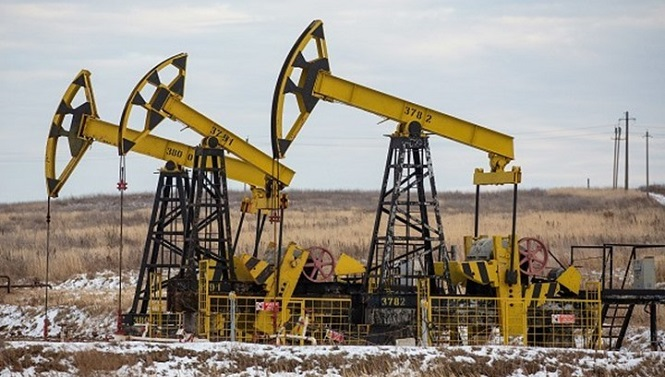
Brent crude fell 5% to below $98 as reports of a preliminary US-Iran agreement signal potential supply relief. With sanctions relief uncertain, the next catalyst is official confirmation from Washington.
Continue with
Reports of US-Iran Agreement Trigger 5% Oil Rout
Brent crude fell more than 5% in early trading on May 25, sliding below $98 a barrel, after reports emerged that Washington and Tehran are close to a preliminary agreement to end hostilities and potentially reopen crude exports. The move erased the risk premium built into oil prices since the fracturing of the 2015 nuclear deal, a premium that had been reinforced by tighter OPEC+ quotas and Russian sanctions.
The magnitude of the drop reflects the market's rapid repricing of the supply outlook. Iran currently exports about 500,000 to 1 million barrels per day (bpd), well below its pre-sanctions potential of roughly 2.5 million bpd. A credible agreement could unlock a significant portion of that spare capacity, adding new barrels to a market that has been wrestling with reduced Russian flows and low OPEC+ spare capacity elsewhere.
Why the Supply Risk Premium Collapsed
The simple read is that oil prices are falling because more supply is coming. The better read is that the market had already priced in a prolonged stalemate between the US and Iran. The geopolitical risk premium embedded in Brent's previous $100-plus level assumed that Iranian oil would remain locked out for the foreseeable future. A preliminary deal changes that baseline expectation, forcing traders to strip out that premium and recalibrate forward curves.
Mechanism: The repricing goes through two channels. First, physical supply expectations: traders adjust their model of global spare capacity, bringing forward the date when Iranian barrels re-enter the market. Second, positioning: speculative long positions in crude futures had accumulated on the assumption of sustained geopolitical tension. The reports force a liquidation wave, amplifying the price drop beyond the purely physical impact. The 5% decline is consistent with the unwinding of a large net-long position that had been built over the prior two months.
Brent Crude's Next Decision Point
- $95 support: If Brent holds above $95, the sell-off may be absorbed by physical buyers who see value below $100. A break below $95 opens a path to the $90-$92 range, levels not tested since early May.
- OPEC+ response: The group's next meeting in early June will be critical. If OPEC+ signals it will adjust quotas to compensate for potential Iranian barrels, that would reinforce the downside. If it holds steady, the market may stabilize.
- Deal verification: A preliminary agreement is not the same as a ratified deal. The next catalyst is official confirmation from Washington and Tehran, including a timeline for sanctions relief. Until then, the risk premium can partly rebuild.