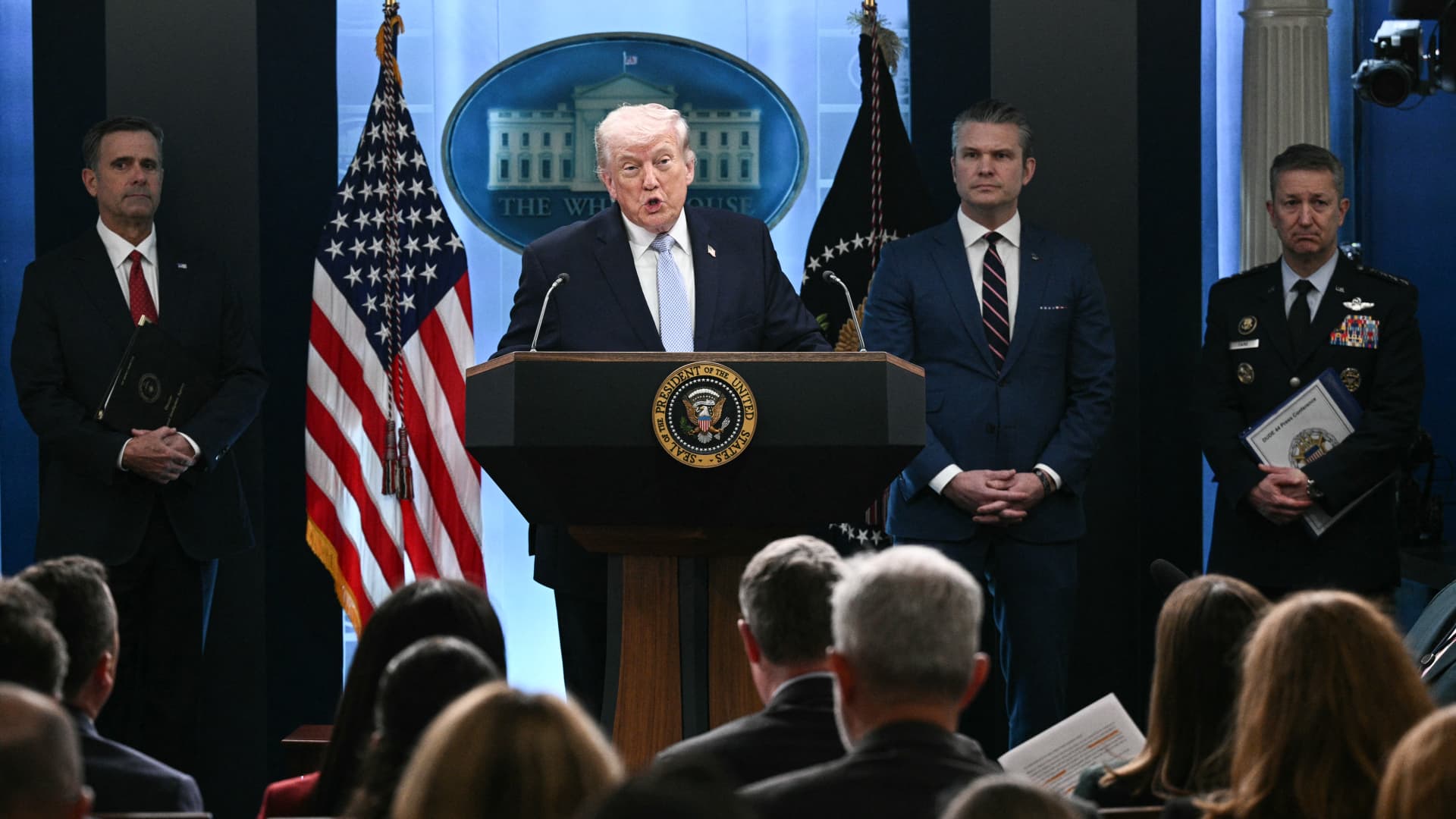
The U.S. will continue "technical talks" with Iran, a U.S. official told MS Now, even after President Donald Trump said the ceasefire was "over." The two sides traded airstrikes this week. Iran accused the U.S. of violating the memorandum of understanding by reinstating oil sanctions. The Treasury withdrew a waiver that allowed Iran to sell oil.
Oil prices barely moved. Brent crude for September delivery eased to $76.3 a barrel. WTI crude settled at $71.87. That is a small decline for a week that included direct strikes between the two countries.
The simple read: the market is shrugging off the escalation. The better read: the market is pricing the gap between Trump's public rhetoric and the fact that both sides are still talking. The U.S. official said the MOU is performance-based and that Iran's actions constitute "failed performance at an unacceptable level." The same official, however, added that talks will continue.
Iranian officials accused the U.S. of not honoring "Iranian adjustments" in the Strait of Hormuz, the chokepoint for about 20% of global oil supply. The U.S. military conducted strikes after three commercial vessels transiting the strait came under attack. The Treasury's waiver withdrawal compounds the risk. A disruption to Hormuz could push Brent above $100, traders said, though neither side has signaled intent to block the strait. The risk is that a miscalculation leads to an escalation.
Traders said the muted reaction reflects the view that the technical talks are an off-ramp. If the talks break down, the risk of a supply disruption jumps, they said. If they lead to a new arrangement, the premium in crude could unwind. The market is waiting for the next concrete signal: a date for the next round of talks, or a new strike.
For now, the numbers tell the story. Brent futures are holding above $75, a level that had been support during earlier Iran tensions. WTI is above $70. The lack of a breakout suggests the market sees the ceasefire collapse as a negotiating tactic, not a prelude to war. The MOU's performance clause cuts both ways. If either side declares the other in material breach, the legal framework for talks disappears.
Energy stocks tracked oil lower. The XLE fell 0.8% Friday. The USO ETF slipped 0.5%. The moves were modest, reflecting the broader market's reluctance to price a full disruption.
The next catalyst is the timing of the next technical meeting. The U.S. official did not give a date. Trump said Iran called him "a little while ago" wanting a deal. He also said he didn't know if they were "worthy of making a deal." That contradiction is the market's current problem. The oil price is caught between the risk of a real supply cut and the possibility that the talks deliver a new agreement. The U.S. official did not give a date for the next round of talks.