Commodities● Neutral
Strait of Hormuz Blockade Triggers Surge in Crude Oil Prices
U.S. naval action follows the collapse of weekend peace talks, threatening global supply. Watch for sustained volatility as markets brace for higher costs.
Continue with
Immediate Market Reaction
Global energy markets are reacting sharply to geopolitical instability in the Middle East. The United States began blocking vessel transit through the Strait of Hormuz on Monday, a move that followed the breakdown of peace negotiations over the weekend. This development has triggered an immediate spike in crude oil prices, forcing traders to reevaluate their exposure to crude oil profile.
The Political Calculus
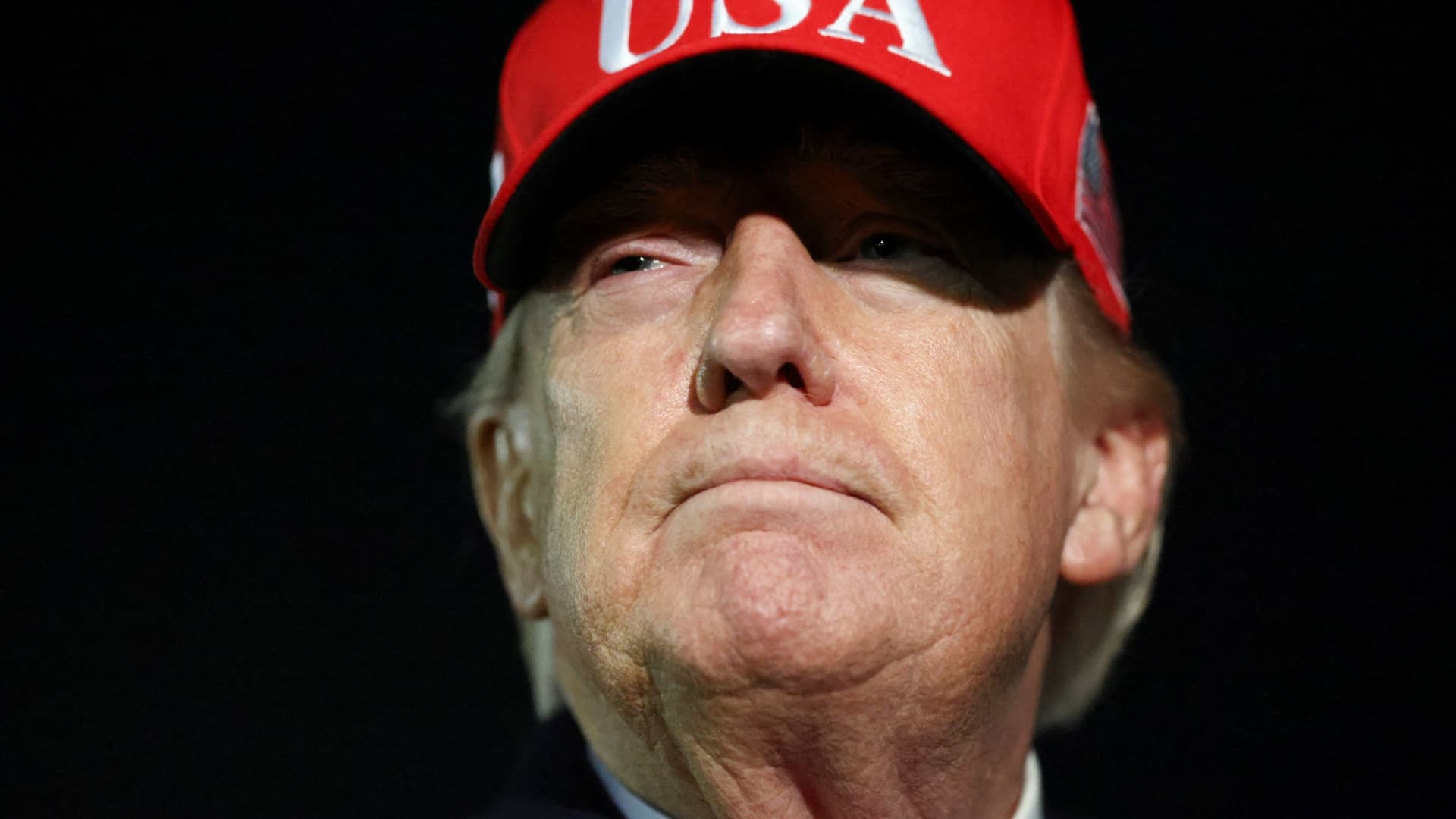
Former President Donald Trump recently weighed in on the potential impact of these events on the American consumer. He suggested that domestic gas prices could remain at current levels or move slightly higher by the time the upcoming midterm elections arrive. With the Strait of Hormuz serving as a critical artery for global energy supply, any prolonged restriction of movement threatens to tighten the market further.
Key Market Data
- Event: U.S. naval blockade of the Strait of Hormuz.
- Trigger: Collapse of weekend peace talks.
- Asset Impact: Crude oil prices moved upward following the announcement.
- Political Outlook: Potential for stagnant or rising pump prices heading into midterms.