Stocks● Neutral
NEET-UG Cancellation Puts Coaching Stocks in a Binary Policy Trade
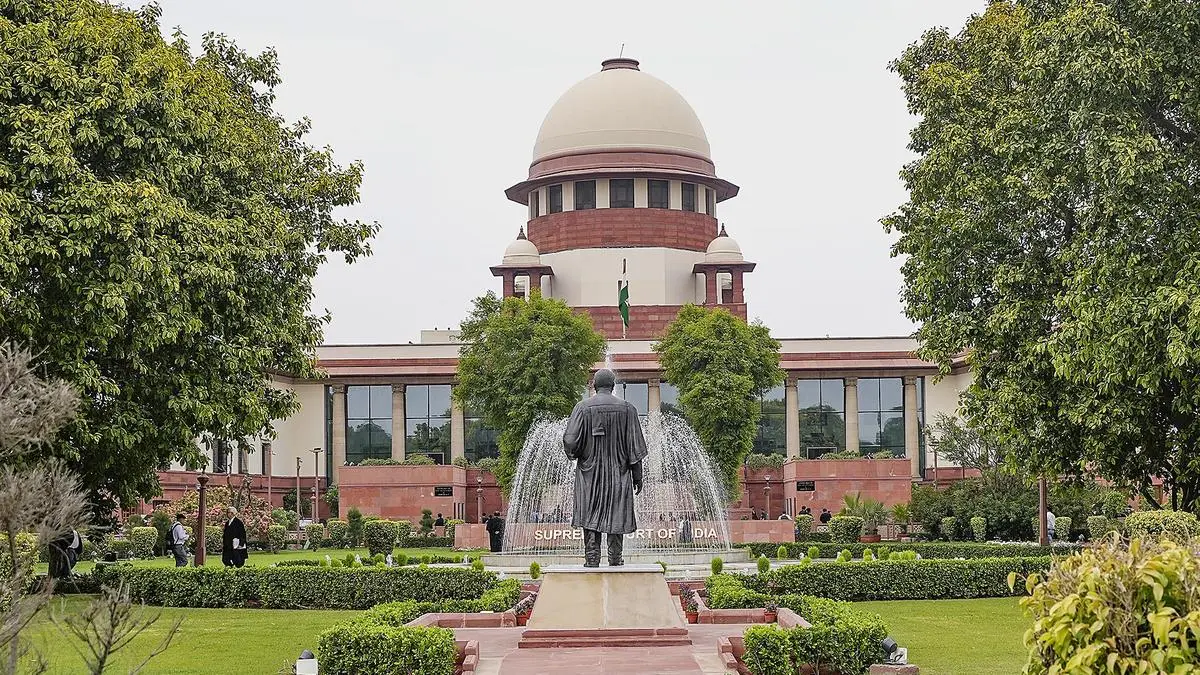
The NEET-UG 2026 cancellation leaves 22 lakh aspirants in limbo. A Supreme Court petition to replace the NTA turns a simple demand tailwind into a binary event for listed coaching firms.
Continue with
The cancellation of the NEET-UG 2026 exam on May 12 has reset the outlook for India’s listed medical entrance coaching companies. The National Testing Agency (NTA) scrapped the May 3 test after allegations of a paper leak, and the Federation of All India Medical Association (FAIMA) has now moved the Supreme Court seeking a systemic overhaul of the testing framework. For traders scanning education sector stocks, the story has moved from a routine exam-cycle trade to a binary event that could either extend the revenue tailwind from a re-conduct or introduce structural disruption to the business model of the largest incumbents.
NEET-UG 2026 Cancellation Resets the Coaching Revenue Map
The Timeline and Scale
The NTA conducted the undergraduate medical entrance exam on May 3, 2026, with over 22 lakh medical aspirants registered. Within days, encrypted platforms like WhatsApp and Telegram were circulating what the FAIMA petition describes as “guess papers” that allegedly matched more than 100 questions from the actual test. The exam was officially cancelled on May 12, and the Central Bureau of Investigation (CBI) is now probing the leak.
On Wednesday, FAIMA, represented by lawyer Tanvi Dubey, filed a public interest petition asking the Supreme Court to direct the government to replace the NTA with a “technologically advanced and autonomous body.” The plea also seeks a high-powered monitoring committee, chaired by a retired Supreme Court judge and including cybersecurity and forensic experts, to oversee the re-conduct of the 2026 exam.
The cancellation has left virtually every stakeholder in the medical education pipeline without a timeline. The fresh examination date, admit cards, examination centres, and the counselling schedule are all unknown. For the 22 lakh aspirants, the immediate consequence is an extended, anxiety-filled preparation period. For the coaching companies that train the majority of these students, the event creates a sudden, sharp catalyst that rewrites the near-term revenue map.
The FAIMA Petition and Its Demands
The FAIMA petition goes beyond a mere cancellation grievance. It argues there has been a “systemic failure” in the conduct of NEET-UG and asks for a complete overhaul of the national testing framework. The specific demands include:
- Replacing the NTA with an autonomous, technology-backed body
- A high-powered monitoring committee chaired by a retired Supreme Court judge
- Inclusion of cybersecurity and forensic experts in the oversight panel
- Restoration of “integrity” in medical entrance exams through structural reforms
These demands are not cosmetic. They directly challenge the existing monopoly of the NTA, which has conducted NEET-UG since 2019. For investors, the key question is whether the Supreme Court will treat this as a one-off administrative failure or use the case to mandate broader changes in examination governance.
Why the Simple Bull Case Overlooks the Policy Risk
Extended Prep Cycle: The Obvious Tailwind
On the surface, the cancellation looks like a straightforward positive for listed coaching firms that derive a material share of revenue from NEET-oriented courses. A delayed re-conduct forces students to remain enrolled, purchase additional test series, and extend their classroom or online subscriptions. Historically, any extension of the exam cycle has translated into higher average revenue per user and lower churn for the March–June quarter, which is typically the highest-grossing period for medical entrance prep.
Several publicly traded education companies in India run dedicated NEET coaching verticals. Their stock prices have shown sensitivity to regulatory and exam-schedule announcements in the past. The simple trade is to buy these names on the assumption that the re-conduct will compress a full preparation cycle into a shorter window, forcing aspirants to pay for intensive crash courses and revision modules.