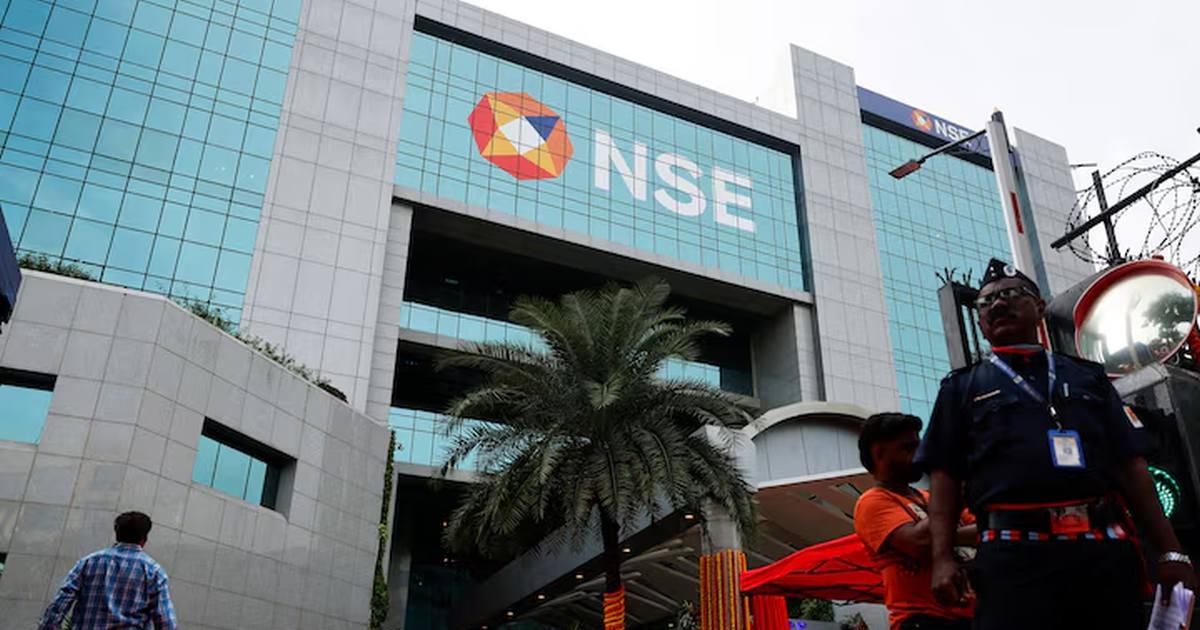
Corporate Social Responsibility (CSR) spending among companies listed on the National Stock Exchange (NSE) main board reached Rs 22,212 crore in the 2024-25 fiscal year. This 23 percent year-on-year increase reflects a broader trend of rising profitability across the exchange as firms align their mandatory social contributions with improved bottom-line performance. The expansion in spending underscores the direct correlation between corporate net profits and the statutory obligations that govern these outlays in the Indian market.
Drivers of Increased Expenditure
The surge in CSR funding is primarily attributed to a substantial rise in the average net profits of the listed entities. Because CSR obligations are tied to a percentage of average net profits from the preceding three years, the recent growth in corporate earnings has naturally pushed the mandatory spending floor higher. This shift indicates that the underlying financial health of the NSE main board has strengthened, allowing for larger allocations toward social development projects without compromising operational capital.
While the aggregate figure shows a robust increase, the distribution of these funds remains concentrated among the largest market participants. The data highlights a clear linkage between the scale of a company's operations and its capacity to exceed minimum statutory requirements. As firms continue to report higher earnings, the total pool of capital directed toward social initiatives is expected to maintain its upward trajectory, provided that the current profit growth cycle remains intact.
Sectoral Impact and Market Context
This rise in mandatory spending occurs against a backdrop of shifting market sentiment, where investors are increasingly evaluating companies on their governance and social impact metrics. The ability of NSE-listed firms to manage these increased outflows while sustaining growth is a key indicator of operational efficiency. As the Sensex and Nifty sustain gains as FMCG outperforms amid easing geopolitical tensions, the stability of these large-cap entities remains a focal point for institutional capital.
AlphaScala data currently tracks various sectors with mixed outlooks, including RS (Reliance, Inc.) with an Alpha Score of 44/100, ON (ON Semiconductor Corporation) at 45/100, and NET (Cloudflare Inc.) at 31/100. These scores reflect the ongoing volatility in global technology and materials sectors, which contrast with the more predictable, profit-linked nature of CSR spending in the domestic Indian market. The following list outlines the primary factors influencing the current CSR landscape:
- Growth in average net profits across the NSE main board.
- Statutory alignment between earnings cycles and mandatory social contributions.
- Increased focus on long-term social capital as a component of corporate governance.
The next concrete marker for this trend will be the release of annual sustainability reports and subsequent regulatory filings that detail the specific deployment of these funds. Investors should monitor how firms balance these rising social costs against capital expenditure requirements in the upcoming quarterly results. The sustainability of this spending growth will depend on whether profit margins remain resilient in the face of potential macroeconomic headwinds.