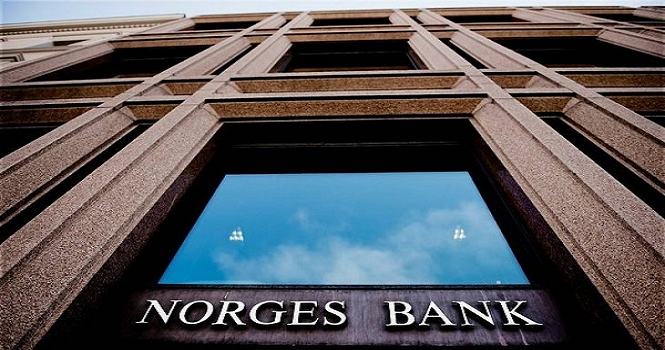
Norway’s sovereign wealth fund reported a first-quarter investment loss of approximately $68.44 billion, marking a significant shift in the performance of the world’s largest sovereign wealth vehicle. Despite the quarterly decline, the fund concluded the period ending in March with a total valuation of approximately $2.2 trillion. This contraction reflects broader volatility across global equity and fixed-income markets that has pressured large-scale institutional portfolios.
Portfolio Exposure and Asset Performance
The fund’s scale necessitates a diversified approach that mirrors global economic cycles. Because the portfolio maintains heavy weightings in major technology and industrial equities, the first-quarter drawdown highlights the sensitivity of sovereign-level capital to shifts in stock market analysis. The loss underscores the difficulty of managing a multi-trillion dollar mandate when high-growth sectors experience simultaneous valuation resets. While the fund remains a long-term investor, the sheer magnitude of the quarterly loss serves as a barometer for the current environment of elevated interest rates and shifting risk premiums.
Sovereign Capital and Global Liquidity
The fund’s performance is often viewed as a proxy for the health of global capital markets. As a major shareholder in thousands of companies, including tech giants like Apple (AAPL) profile, the fund’s movements influence liquidity and investor sentiment across multiple jurisdictions. The recent loss suggests that the defensive positioning typically associated with sovereign wealth funds is currently being tested by persistent macroeconomic headwinds.
AlphaScala data indicates that the fund’s current valuation of $2.2 trillion remains resilient despite the quarterly volatility, suggesting that the long-term asset allocation strategy has not yet required a fundamental pivot. The fund continues to operate under a mandate that prioritizes long-term capital preservation, yet the scale of this loss indicates that even the most diversified portfolios are susceptible to synchronized market declines.
The Path Toward Mid-Year Rebalancing
The next critical marker for the fund will be the mid-year reporting cycle. Investors should look for updates regarding the fund’s sector-specific rebalancing efforts and any adjustments to its fixed-income duration. The degree to which the fund rotates capital back into equity markets or increases its cash position will provide insight into how the managers perceive the trajectory of global inflation and growth through the remainder of the year. Any significant shift in the fund's asset allocation will likely serve as a leading indicator for institutional sentiment regarding the stability of the current market cycle.