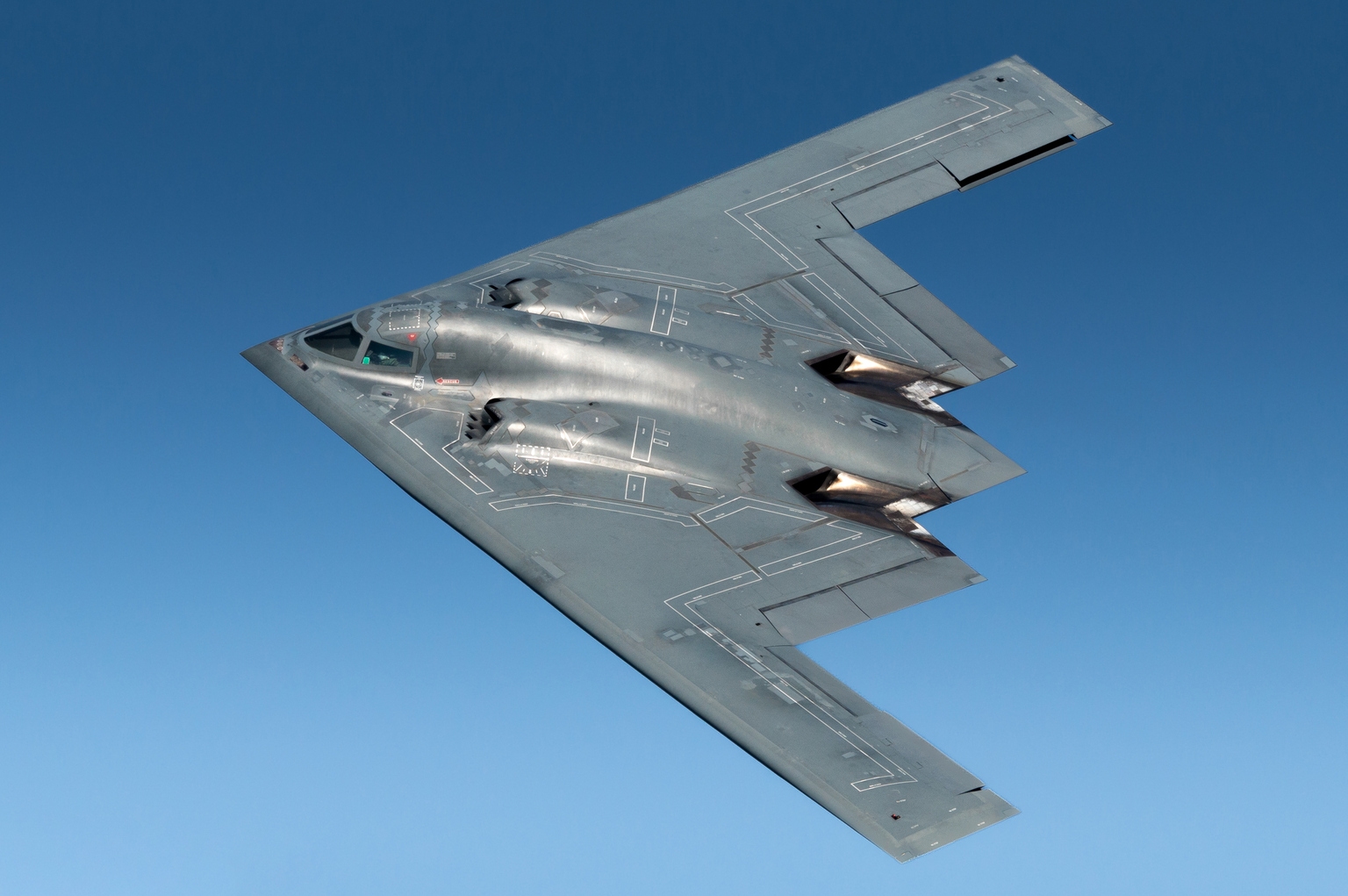
Northrop Grumman is currently trading at a valuation multiple below its three-year average, creating a distinct narrative shift for a company central to the United States nuclear triad. While the broader defense sector remains sensitive to federal budget cycles and procurement timelines, the firm's role in long-term strategic deterrence provides a baseline of revenue visibility that contrasts with its current market pricing. Investors are now evaluating whether this valuation gap reflects a genuine change in long-term growth prospects or a temporary misalignment between capital allocation and the firm's specific defense portfolio.
Strategic Deterrence and Revenue Stability
The core of the investment case for Northrop Grumman rests on its involvement in the modernization of the nuclear triad. These programs are characterized by multi-decade lifecycles and high barriers to entry, which insulate the company from the volatility often seen in commercial aerospace or shorter-cycle defense contracts. As the government prioritizes the recapitalization of strategic assets, the company maintains a position as a primary contractor for critical infrastructure. This stability is a key factor when assessing the firm against other industrial peers that may face more immediate exposure to supply chain disruptions or shifting consumer demand.
Valuation Compression in the Defense Sector
Recent market activity suggests that investors are applying a more cautious lens to defense contractors, even those with significant government backlogs. The current trading multiples for NOC stock page indicate that the market is discounting the potential for margin expansion or accelerated cash flow generation in the near term. This compression is notable given the consistent demand for defense electronics and space-based systems. When compared to broader stock market analysis, the firm's current positioning suggests that the market is prioritizing immediate liquidity over the long-term capital intensity required for major defense programs.
AlphaScala data currently reflects a Mixed outlook for the company, with an Alpha Score of 38/100, highlighting the divergence between its fundamental role in national security and its current market performance. This score underscores the necessity of monitoring how capital deployment strategies align with the firm's operational requirements as it navigates the current fiscal environment.
The Path to Re-Rating
For the valuation gap to close, the company must demonstrate consistent execution across its major programs, particularly as it manages the transition from development phases to full-rate production. The next concrete marker for this narrative will be the upcoming quarterly filing, which will provide insight into backlog conversion rates and the impact of inflation on fixed-price contracts. Investors should focus on management commentary regarding free cash flow conversion and the potential for share repurchases, as these will serve as the primary indicators of whether the firm can bridge the current disconnect between its strategic importance and its market valuation. Future updates to guidance will clarify if the current pricing reflects a structural shift in defense spending priorities or a temporary period of consolidation for the sector.