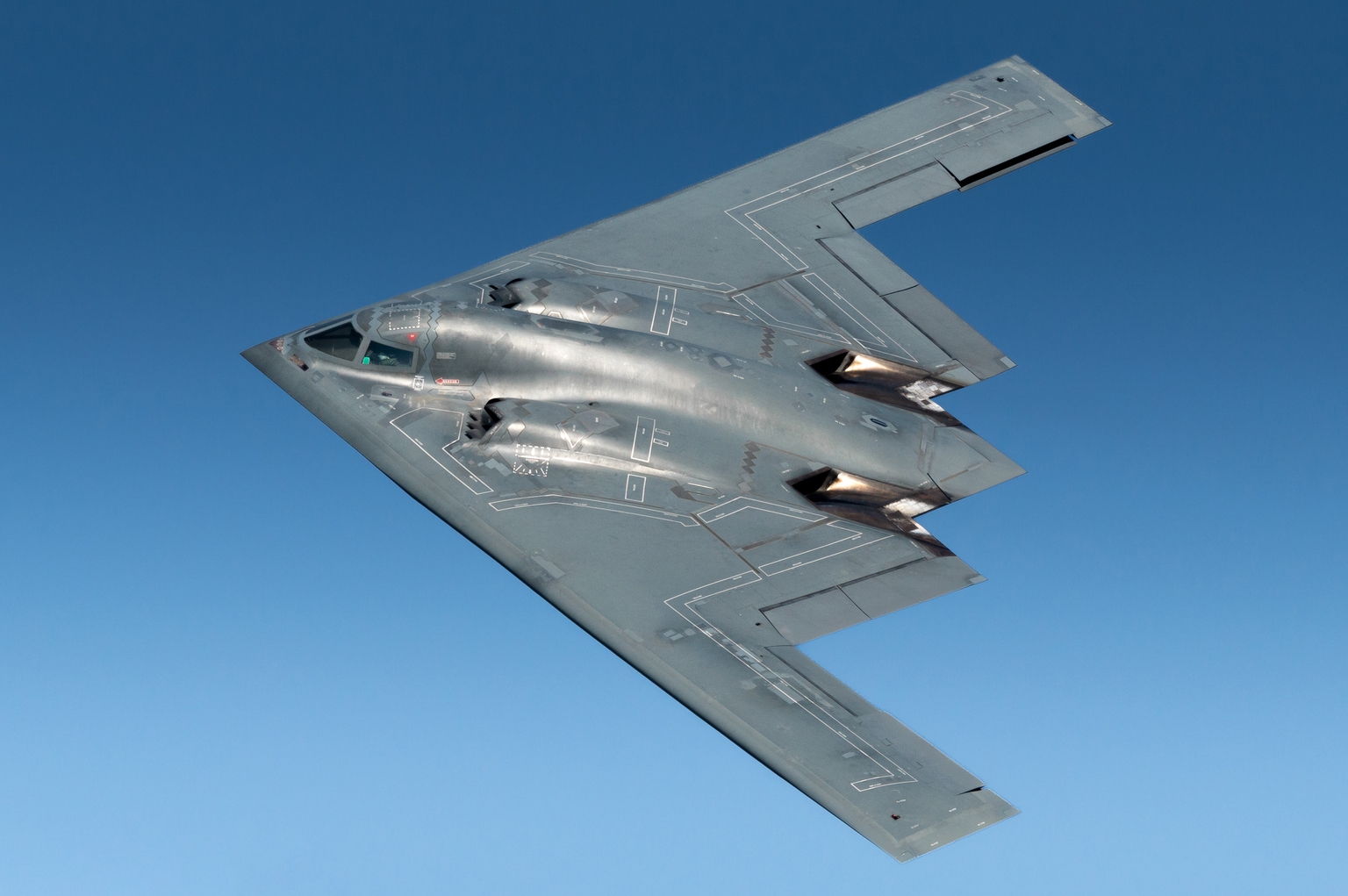
Northrop Grumman has solidified its market position through the development of long-term strategic platforms, including the B-21 Raider, the LGM-35A Sentinel, and the E-130J Phoenix II. These programs serve as the primary drivers for the company's multi-decade revenue visibility, creating a structural moat that distinguishes it from peers with shorter product lifecycles. By securing these foundational contracts, the firm has established a predictable cash flow profile that remains insulated from immediate shifts in consumer sentiment or cyclical economic downturns.
Strategic Platforms and Revenue Longevity
The reliance on high-complexity defense systems means that Northrop Grumman operates on a different temporal scale than most industrial firms. The B-21 Raider program, in particular, represents a critical component of the national defense architecture, ensuring that the company remains a central partner for government procurement offices for years to come. These platforms require continuous maintenance, software updates, and hardware integration, which effectively transforms initial development contracts into recurring service revenue. This transition from capital-intensive production to long-term sustainment is the core mechanism supporting the company's dividend growth strategy.
Sector Positioning and AlphaScala Metrics
Within the broader industrial landscape, defense contractors like Northrop Grumman are currently navigating a complex environment characterized by high demand for modernization and geopolitical uncertainty. While the firm benefits from the stability of its government contracts, it must also manage the operational risks associated with large-scale manufacturing and supply chain integration. The current AlphaScala assessment for NOC stock page reflects these dynamics, assigning the company an Alpha Score of 36/100 with a Mixed label. This score highlights the tension between the firm's entrenched market position and the ongoing challenges of executing on massive, multi-year defense mandates.
The Path to Operational Execution
The next phase for Northrop Grumman involves the transition of its major platforms from the development stage to full-rate production. Investors should monitor the company's upcoming filings for specific updates on cost-containment measures and delivery timelines for the Sentinel and B-21 programs. Any deviation from established schedules or unexpected cost overruns in these capital-intensive projects will serve as the primary indicator of the company's ability to maintain its margins. The firm's ability to navigate these milestones will determine whether its current valuation remains supported by its long-term contract backlog or if operational headwinds begin to weigh on its stock market analysis outlook. As the company moves through these production cycles, the focus will remain on whether the realized revenue from these strategic assets aligns with the initial projections set during the contract award phases.