Stocks● Neutral
No-Vaccine Ebola Strain Resets MAF's Airlift Calculus
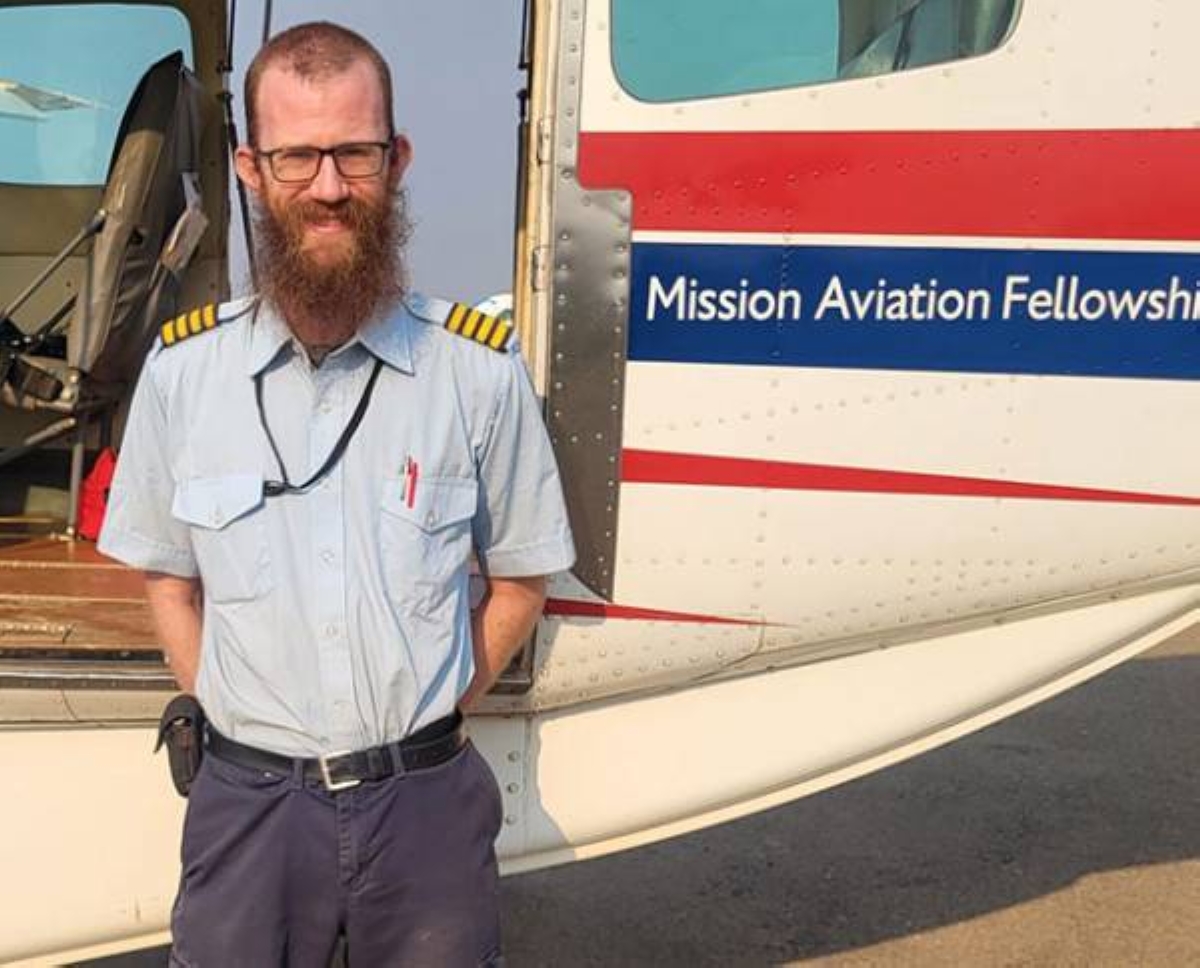
The Bundibugyo Ebola strain has no vaccine. For MAF Canada pilot Dominic Villeneuve in Bunia, every evacuation flight now carries heavier procedural weight. The next 30 days of flight hour utilization will show if the protocol holds.
Continue with
The Bundibugyo Ebola strain has no approved vaccine. That single fact rewrites the operational playbook for every organization running medical evacuations in the Democratic Republic of the Congo, including Mission Aviation Fellowship (MAF).
The World Health Organization designated the crisis a Public Health Emergency of International Concern on May 16, 2026. Hours earlier, the Africa Centre for Disease Control and Prevention declared a Public Health Emergency of Continental Security. The outbreak has passed 1,000 confirmed cases, the 17th recorded Ebola outbreak in the DRC since 1976.
The previous outbreaks were driven by the Zaire strain, for which two approved vaccines exist. The current resurgence is driven by Bundibugyo, for which there is no approved vaccine or therapeutic treatment. That difference is not academic. It changes the evacuation timeline, crew safety margins, and aircraft utilization rates.
The Bundibugyo Strain Removes the Vaccine Cushion
MAF Canada pilot Dominic Villeneuve, based in Bunia in Ituri Province, executed the most visible of several emergency flights. After an American missionary doctor at Nyankunde Hospital tested positive and was evacuated separately to Germany, Villeneuve flew the doctor's wife (also a physician), their children, and another exposed doctor to safety in Uganda. A second missionary family was evacuated earlier by MAF crews.
MAF has provided logistical support during six of the 17 historical outbreaks. The organization's institutional memory runs back to 1961, when it first began operations in the DRC. Today, it operates regional networks across the DRC, partnering with 13 missionary families and 35 Congolese staff.
Key insight: A vaccine changes evacuation protocols, quarantine durations, and staff willingness to deploy. Without one, every exposed contact becomes a higher-consequence event, and every evacuation flight carries greater procedural weight.
Flight Operations Under a No-Vaccine Protocol
Villeneuve described the operating posture in a statement: "Operating from our base in Bunia, our team has immediately deployed MAF's established Ebola Management protocols. All of our staff are healthy, safe, and executing strict mitigation measures."
When a vaccine exists for a pathogen, evacuation crews can operate with post-exposure prophylaxis and shorter quarantine periods. Without a vaccine for the Bundibugyo strain, every evacuation flight requires:
- Full personal protective equipment for crew and passengers
- Decontamination of the aircraft interior after each mission
- Extended crew monitoring periods after potential exposure
- Reduced mission density because the same aircraft is taken offline for cleaning cycles
Each of these steps adds time. The aircraft is removed from the available fleet for longer than a routine medical evacuation. Across MAF's global fleet of 120 aircraft in 29 countries, that constraint is manageable. At the regional level in Ituri Province, it reduces surge capacity.
What MAF's DRC Infrastructure Actually Looks Like
Brad Bell, CEO of MAF Canada, framed the response in terms of continuity: "Through our partnerships with other NGOs and local hospitals, Canadian pilots like Dominic can plug directly into mature, deeply rooted frontline infrastructure. MAF has stood in solidarity with the Congolese people through many health crises since 1961."