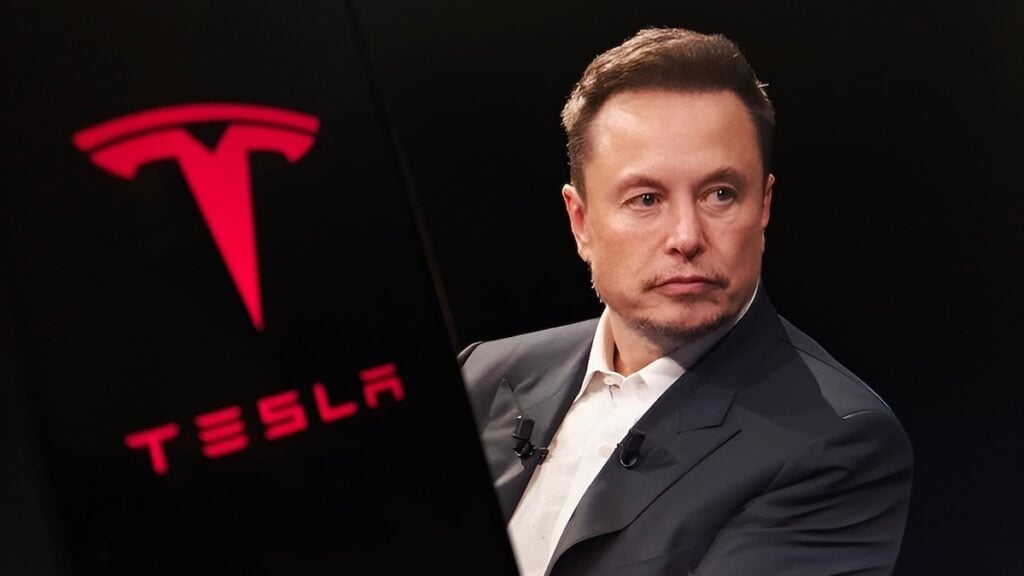
California Governor Gavin Newsom escalated his public feud with Tesla (TSLA) CEO Elon Musk on Thursday, posting a satirical “$1 trillion bill” featuring both men. The post, from Newsom’s official press office on X, claimed Musk’s enterprises “would be nothing without California's subsidies, generous corporate incentives, talent pool, and manufacturing base!” The exchange arrives as Treasury Secretary Scott Bessent confirmed the administration is preparing for a House bill that would allow living persons on currency – a move tied to a separate proposal for a $250 Federal Reserve note featuring President Donald Trump.
The political spat injects a new layer of regulatory risk into Tesla’s operating environment in its home state. The company already faces margin pressure from price cuts and slowing EV demand. Newsom’s direct claim that Tesla owes its success to California policy is more than campaign rhetoric. California has been the largest single-state market for EVs and has offered zero-emission vehicle (ZEV) credits, purchase rebates, and favorable manufacturing tax treatment that Tesla has used for years. The state’s Advanced Clean Cars II rules also mandate increasing EV sales, indirectly supporting Tesla’s dominance.
Newsom’s $1 Trillion Bill Satire and the Subsidy Debate
Newsom’s Claim: Tesla’s Success Tied to State Support
Newsom previously called Musk one of the biggest “disappointments” and argued that California’s regulatory environment played a key role in the billionaire’s success. That framing now carries weight because Newsom controls the levers that could tighten or loosen those policies. The governor has also slammed Trump for not caring about gas prices amid the Iran war, warning of cascading effects on the economy and criticizing trade policies. That broader macro backdrop – crude volatility and geopolitical tension – adds another variable for Tesla’s cost structure.
Musk’s Counter: Criticism of High-Speed Rail and Tax Proposals
Musk has consistently attacked Newsom over the proposed California High-Speed Railway, alleging fraudulent activities, and over California’s proposed one-time tax on the state’s billionaire residents. Those clashes have hardened the political divide. If the feud escalates, Tesla could face more scrutiny in state-level EV incentive renewal debates or in future infrastructure planning that affects Tesla’s GigaFactory Sacramento network.
Key risks for Tesla from the political tension:
- Potential review or reduction of state ZEV credit allocations
- Delays or changes in EV infrastructure funding that benefits Tesla’s charging network
- Increased regulatory friction on factory permits or environmental compliance
- Negative brand sentiment in California, Tesla’s largest US market
Tesla’s Earnings Exposure to California ZEV Credits
Impact on Gross Margin from Regulatory Credit Sales
Tesla’s earnings have long benefited from selling regulatory credits to other automakers. In 2024, the company generated over $1.8 billion from such sales, with California’s ZEV program being a primary source. Any political move to tighten credit eligibility or reduce the program’s scale would directly pressure TSLA’s gross margin, which is already under pressure from price cuts.
Newsom’s comments do not signal an immediate policy shift. They inject an uncertainty premium into Tesla’s California operations. Traders should watch for any state-level proposals in the coming months that target EV subsidy structures.
Broader Sector Sentiment for EV Growth Stocks
The spat hits at a time when the EV sector is already sensitive to policy changes. Trump’s approval rating falling to 39% in a new Emerson College poll – a record low for his second term – raises the probability of political shake-ups that could affect federal EV tax credits as well. If the White House shifts focus away from EV subsidies, the sector’s growth narrative weakens further.
Key insight: Tesla’s regulatory credit revenue is a direct line item exposed to California policy. A formal proposal threatening credits would mark a clear sell signal for TSLA.
Political Risk Premium in TSLA Valuation
Current Price and AlphaScala Score
TSLA trades at $442.10, up 0.40% on the session, with an Alpha Score of 44/100 (Mixed). The stock’s current price embeds some regulatory risk but likely not the full tail risk of a California subsidy pullback. The political feud adds to the list of company-specific catalysts that could shift the risk-reward balance. Visit the TSLA stock page for live data and score updates.
Transmission Through Rates and Risk Appetite
The feud does not directly affect interest rates or the dollar. It does affect risk appetite for growth stocks with high regulatory exposure. If the political noise escalates into legislative action, the EV sector could see a rotation out of names with heavy state subsidy dependence. That would hit Tesla first, then ripple to other EV makers with California exposure.
Next Catalysts: Currency Bill and Approval Polls
The $250 Trump Bill: Political Theater or Policy Signal?
Rep. Joe Wilson (R-SC) introduced a bill to amend the Federal Reserve Act to require printing $250 notes featuring Trump. While unlikely to pass, the bill’s existence signals the political alignment behind using currency as a messaging tool. Treasury Secretary Bessent noted the administration is preparing in case the bill advances, which would mark a rare change in US currency design rules – and could divert legislative attention away from EV policy.
Trump Approval at 39%: Implications for Federal EV Policy
The decline in Trump’s approval rating, combined with the ongoing Iran ceasefire negotiations and crude price volatility (see Crude Drop on Iran Ceasefire Lifts IT Stocks, Nifty Tests 24,000), creates a volatile macro backdrop. Lower approval often pushes administrations toward populist policies. For Tesla, that could mean either stronger protectionist moves (which help domestic EV makers) or a pivot away from climate-related incentives.
The next decision point for this story is any formal response from the Tesla board or Musk himself on California policy, or a legislative move from Sacramento on EV credits. Until then, traders should treat the risk as elevated but not yet priced. For broader indices impacted by sector rotation and policy uncertainty, see the stock market analysis desk for daily positioning notes.