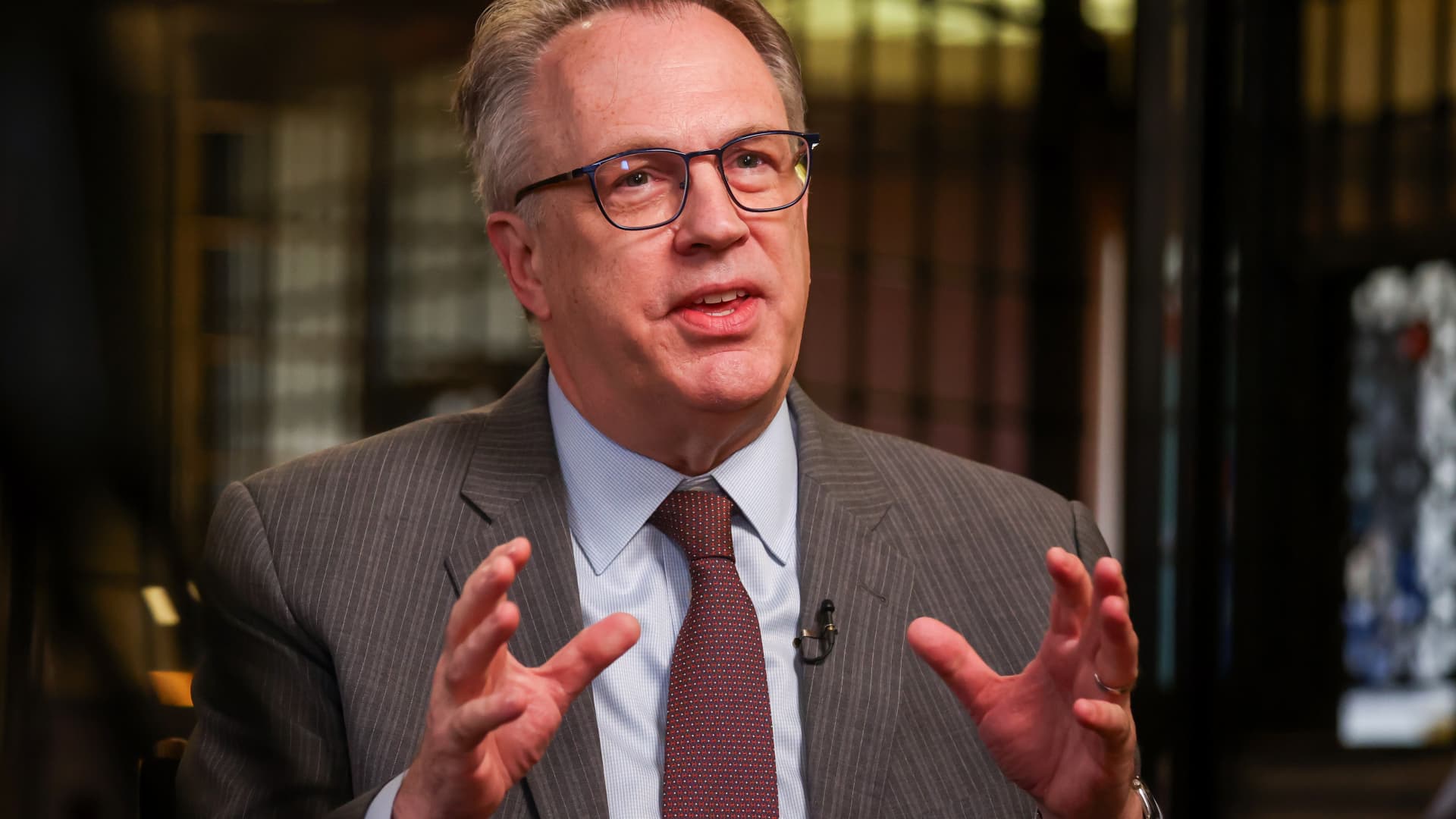
New York Fed President Williams Flags Geopolitical Risk to Inflation and Growth

New York Fed President John Williams warned that geopolitical conflict is increasing economic uncertainty, creating a twin threat of slower growth and persistent inflation.
Geopolitical Uncertainty Clouds Outlook
New York Fed President John Williams signaled that ongoing global conflict has significantly intensified economic uncertainty, potentially threatening both growth and price stability. Williams warned that these developments could complicate the Federal Reserve's path by exacerbating inflationary pressures while simultaneously acting as a drag on national and local economic activity.
This assessment from the New York Fed chief aligns with a broader concern among policymakers regarding the persistence of supply-side shocks. While the central bank remains focused on the labor market and consumer demand, the introduction of unpredictable geopolitical variables forces a reassessment of the inflation trajectory. Traders should note that the Fed's Williams sees inflation lingering between 2.75% and 3% in 2024, leaving little room for error if external costs spike.
Market Repricing and Risk Premiums
When central bank officials highlight increased uncertainty, equity markets often respond with a compression of valuation multiples. Investors typically demand a higher risk premium to hold assets during periods where the correlation between geopolitical events and domestic inflation becomes tighter. If energy costs rise as a result of regional conflicts, the impact on crude oil profile will likely ripple through input costs for the broader S&P 500 index.
- Growth Impacts: Potential for supply chain bottlenecks and reduced consumer sentiment.
- Inflationary Pressures: Risk of sustained high energy prices feeding into core CPI.
- Policy Response: Increased likelihood of maintaining higher interest rates for longer to combat supply-driven inflation.
Trader Takeaways
Market participants should watch for shifts in the US Jobless Claims data, as the Fed will be looking for any signs that the labor market is softening enough to offset the inflationary effects of rising geopolitical tensions. If the labor market remains tight, the Fed has even less flexibility to ignore supply-side price increases.
Technical traders should monitor the SPX and IXIC for signs of volatility spikes, particularly if bond yields continue to climb in response to these inflation warnings. The focus remains on whether the Fed can maintain its current stance or if the added uncertainty forces a more restrictive posture to prevent inflation expectations from unanchoring. The primary risk for the next quarter is a stagflationary environment where growth slows while price levels remain stubbornly elevated.
AI-drafted from named primary sources (exchange feeds, SEC filings, named news wires) and reviewed against AlphaScala editorial standards. Every price, earnings figure, and quote traces to a specific source.