Back to Markets
Macro● Neutral

New York Eyes Luxury Real Estate Surcharge to Close $500M Revenue Gap

New York Eyes Luxury Real Estate Surcharge to Close $500M Revenue Gap

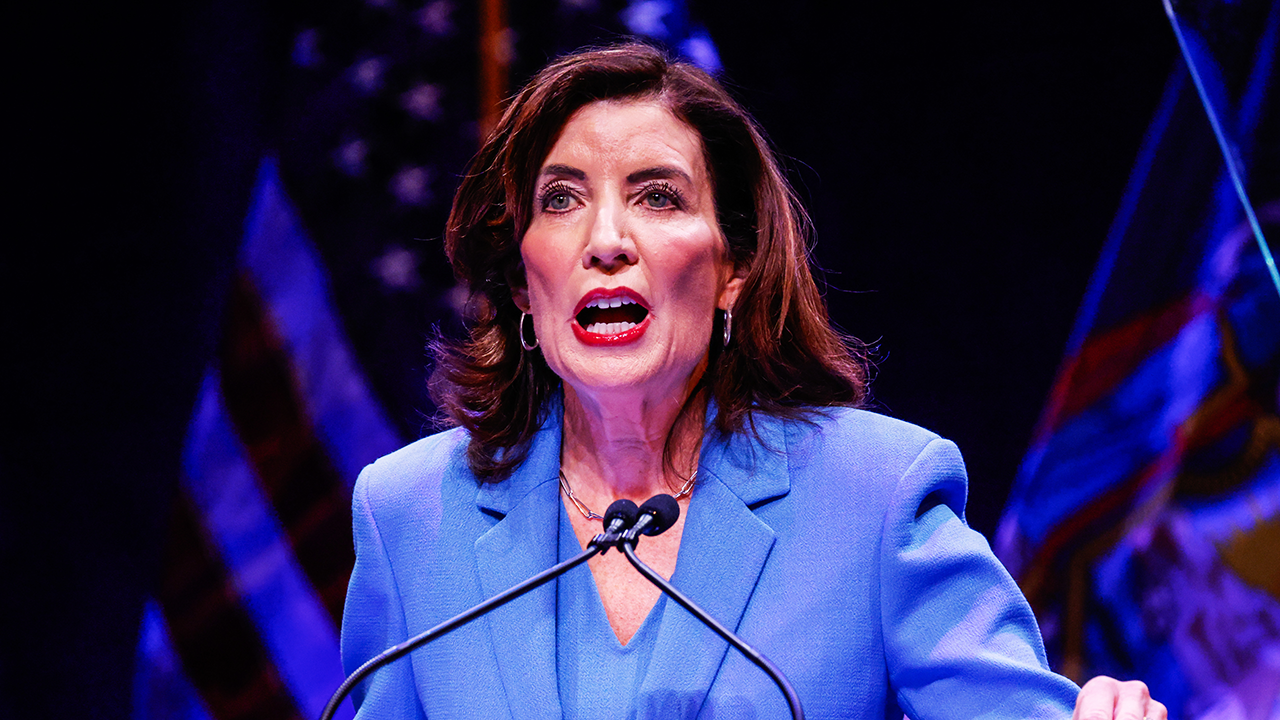
New York Governor Kathy Hochul has proposed a new annual surcharge on NYC second homes valued over $5 million, targeting $500 million in new annual revenue.

Governor Kathy Hochul’s administration is proposing a new annual surcharge on luxury second homes in New York City valued at $5 million or more. The measure aims to capture approximately $500 million in recurring annual revenue as the state faces mounting fiscal pressures.

Fiscal Strain and Revenue Targets

The proposal focuses on the high-end residential segment, specifically targeting properties that serve as secondary residences rather than primary dwellings. By isolating assets above the $5 million threshold, the state is attempting to generate a consistent revenue stream without impacting the broader middle-market housing sector. This move comes as New York grapples with budgetary constraints that often force state officials to look toward the tax base of the city's most expensive real estate assets.

Market Impact and Investor Sentiment

For traders and institutional investors, the introduction of a targeted luxury tax creates a localized friction point. While $500 million is a modest figure in the context of the total New York state budget, the imposition of an annual surcharge on property ownership changes the math for high-net-worth individuals holding trophy assets. Investors should monitor whether this policy leads to a deceleration in luxury transaction volumes or an increase in property listings as owners look to avoid the recurring fee.

  • Target Asset Class: Second homes in New York City.
  • Revenue Goal: $500 million per year.
  • Threshold: Valuations above $5 million.

"The proposal aims to generate roughly $500 million in annual revenue."

Implications for Real Estate and Credit

Market participants tracking homebuilder sentiment and real estate investment trusts (REITs) should watch for potential spillover effects. If the tax creates a cooling effect on the luxury segment, it may impact high-end brokerage firms and luxury-focused developers. While the market analysis desk notes that broad housing demand remains driven by interest rates and inventory levels, localized tax shifts can meaningfully alter the velocity of high-end sales.

Traders should also consider the broader implications for the municipal bond market. New York's ability to maintain a balanced budget has long been a factor in the pricing of its debt instruments. If this surcharge successfully fills the gap without prompting capital flight, it may stabilize the state's fiscal outlook. However, a drop in transaction volume could create a secondary tax revenue shortfall, complicating the state's long-term credit profile.

What to Watch

Watch for the legislative timeline and any potential exemptions or carve-outs that could dilute the $500 million revenue estimate. The primary risk for the market is a potential shift in buyer behavior that pushes capital toward alternative luxury markets outside of the city's jurisdiction. Monitor the sentiment of high-end real estate developers and luxury brokers for signs of early resistance to the plan.

How this story was producedLast reviewed Apr 15, 2026

AI-drafted from named primary sources (exchange feeds, SEC filings, named news wires) and reviewed against AlphaScala editorial standards. Every price, earnings figure, and quote traces to a specific source.

Editorial Policy·Report a correction·Risk Disclaimer