Back to Markets
Macro● Neutral

Flood Defense Efforts Intensify at Cheboygan Dam as Infrastructure Faces Strain

April 15, 2026 at 08:56 PMBy AlphaScalaEditorial standardsSource: enr.com
Flood Defense Efforts Intensify at Cheboygan Dam as Infrastructure Faces Strain

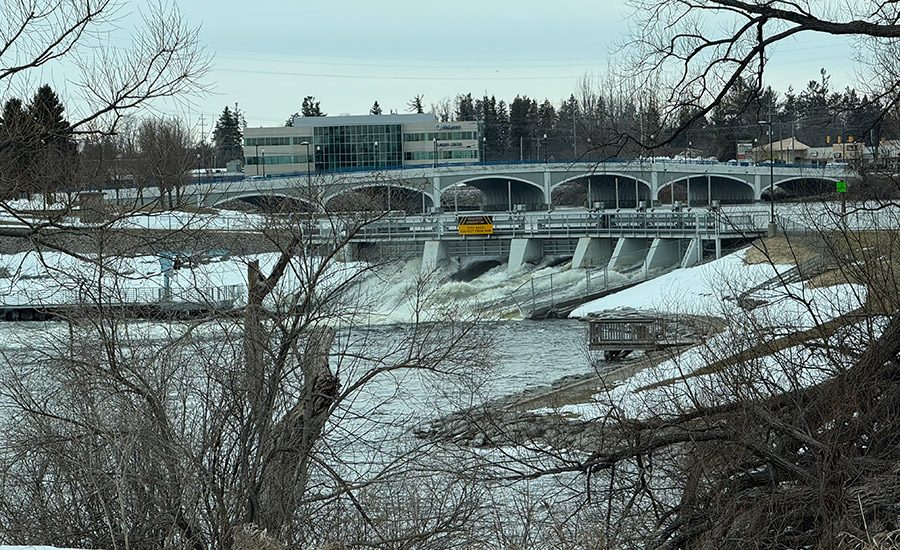
Emergency crews are deploying heavy-duty pumping equipment and sandbagging operations to mitigate flood risks at the Cheboygan Dam and Locks in Michigan.

Emergency crews are working to stabilize the Cheboygan Dam and Locks in Michigan as rising water levels threaten the integrity of the local infrastructure. Workers have installed 11 industrial pumps, including two 24-inch units, to divert water around the site and manage the surge.

Operational Response to Rising Waters

The immediate priority for local authorities involves reinforcing the dam's perimeter to prevent structural failure. Beyond the mechanical pumping operations, crews are utilizing large-scale sandbagging to bolster levees and deflect water flow. These efforts reflect a localized attempt to maintain control over the facility as environmental pressure increases.

Market Context and Infrastructure Risk

While this event is currently regional, infrastructure failures in the U.S. Midwest often trigger localized supply chain disruptions and impact municipal bond pricing for affected districts. Traders looking at broader market analysis should note that extreme weather events frequently drive volatility in regional utility stocks and insurance premiums for industrial assets near water-logged zones.

  • Equipment deployed: 11 total pumps.
  • High-capacity units: 2 pumps (24-inch diameter).
  • Primary objective: Diversion of water to preserve dam integrity.

Implications for Regional Assets

When critical infrastructure like locks and dams faces flooding, the immediate concern for the commercial sector is the impact on logistics and transportation. Any prolonged shutdown of the Cheboygan locks could restrict the movement of goods, affecting businesses that rely on waterway access. Investors should watch for updates on the facility’s status, as sustained closures often lead to increased operational costs for local shipping and commodity transport firms.

Historical precedents suggest that local governments may need to authorize emergency spending for repairs if the current mitigation measures fail to hold. This potential for unplanned capital expenditure can weigh on the credit profiles of municipal entities. If water levels remain elevated, expect local authorities to prioritize long-term infrastructure hardening projects, which may shift capital allocation priorities for the region.

What to Watch

Traders should monitor the following indicators for further developments:

  1. Status of the Cheboygan locks: Any announcement of a complete shutdown will signal a disruption to regional commercial traffic.
  2. Municipal debt filings: Watch for potential emergency funding disclosures from local government bodies tasked with facility maintenance.
  3. Regional weather reports: Continued precipitation will increase the load on existing pumping infrastructure, raising the risk of equipment failure.

The effectiveness of these emergency pumps will serve as the primary indicator for whether the site experiences minimal disruption or requires significant structural intervention.

How this story was producedLast reviewed Apr 15, 2026

AI-drafted from named primary sources (exchange feeds, SEC filings, named news wires) and reviewed against AlphaScala editorial standards. Every price, earnings figure, and quote traces to a specific source.

Editorial Policy·Report a correction·Risk Disclaimer