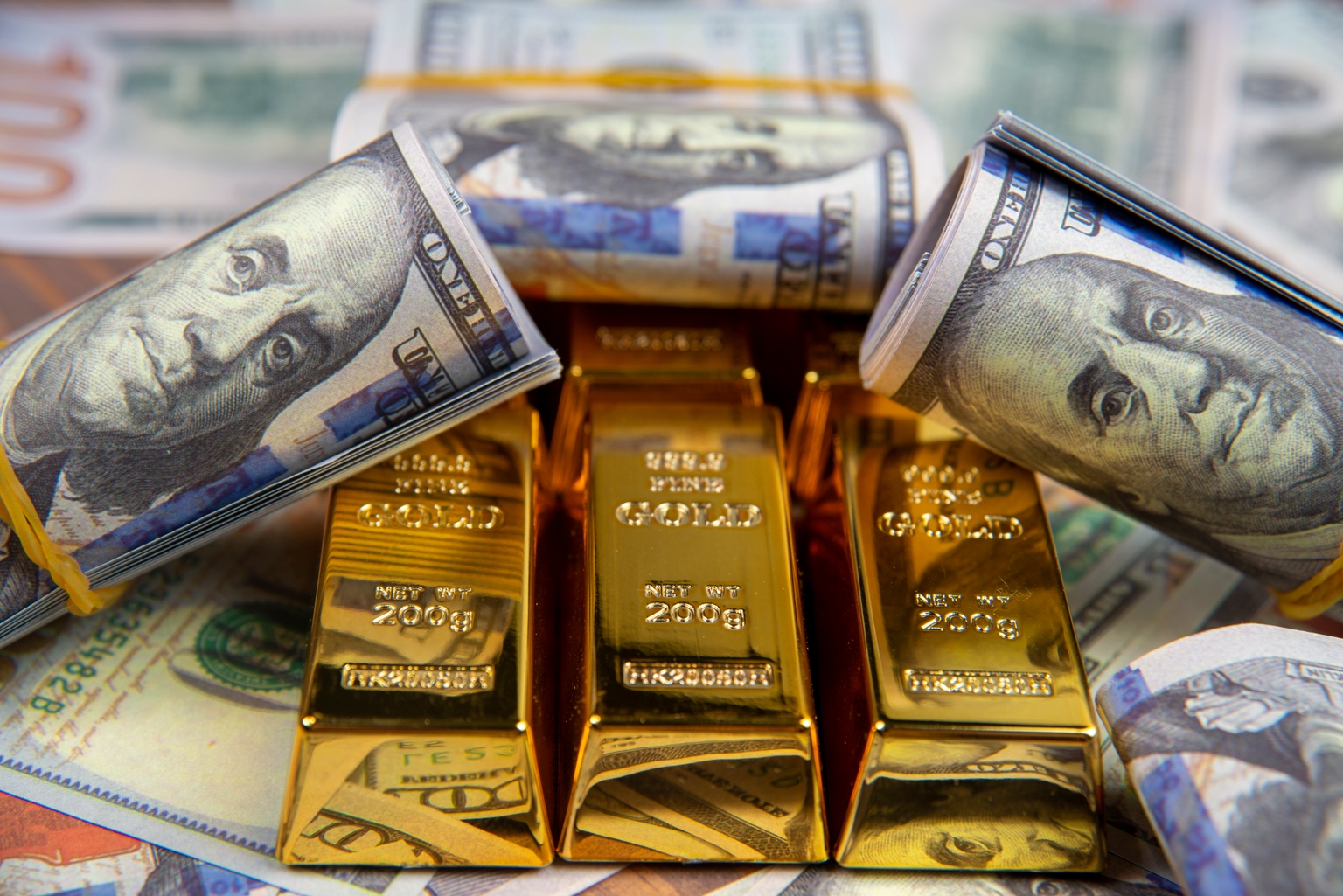
The Shift in Reserve Composition
Foreign central banks have begun a measurable shift in their reserve allocations, moving capital away from US Treasuries and toward physical gold. This trend reflects a broader attempt to insulate national balance sheets from potential geopolitical volatility and the long-term implications of rising US fiscal deficits. As sovereign debt levels reach new highs, the traditional reliance on the dollar as the sole store of value is facing its most significant challenge in decades.
Data suggests that for many emerging market central banks, the move is driven by a desire for non-sovereign assets that carry no counterparty risk. While Treasuries remain the most liquid asset class globally, the perceived risk of asset freezes or sanctions has accelerated the diversification effort. Traders monitoring the gold profile should recognize that this structural buying is providing a floor for bullion prices that standard interest rate models often fail to capture.
Fiscal Deficits and Market Impact
The appetite for US debt has softened among foreign institutional holders as the pace of Treasury issuance continues to outstrip demand from traditional buyers. With the US debt-to-GDP ratio climbing, central banks are increasingly wary of the inflationary consequences of persistent deficit spending. This has turned gold into a strategic hedge against the potential debasement of fiat currencies.
"The move toward gold is not just a tactical play but a structural hedge against a global financial system that is becoming increasingly polarized and debt-burdened."
Market participants are observing a divergence in how central banks manage their reserves:
- Developed Market Banks: Maintaining traditional Treasury exposure but increasing gold for diversification.
- Emerging Market Banks: Aggressively accumulating gold to reduce reliance on the US banking system.
- Global Reserve Managers: Shortening the duration of Treasury holdings to mitigate interest rate sensitivity.
Implications for Traders
This shift carries direct consequences for the SPX and DJI, as the cost of financing US debt becomes a primary driver of long-term yields. If foreign central banks continue to reduce their share of the Treasury market, the burden of absorbing new issuance will fall on domestic investors and the Federal Reserve, potentially putting upward pressure on the 10-year yield. Higher yields, in turn, often act as a drag on equity valuations, particularly in the tech-heavy IXIC.
Traders should watch the spread between Treasury yields and the price of gold. If gold continues to rally even as real yields remain elevated, it confirms that central bank demand is decoupling from standard interest rate correlations. This environment often favors commodities over traditional fixed-income portfolios, making it essential to keep an eye on broader commodities analysis for signs of further capital flight from paper assets.
What to Watch
- Treasury Auctions: Monitor bid-to-cover ratios for signs of waning foreign demand at major auctions.
- IMF Reserve Data: Watch for quarterly updates on the currency composition of official foreign exchange reserves.
- Geopolitical Flashpoints: Any escalation in regional conflicts typically triggers an immediate bid for gold as banks seek safe-haven alternatives to dollar-denominated debt.
The structural transition toward hard assets is a signal that the era of unquestioned demand for US debt is entering a more volatile phase.