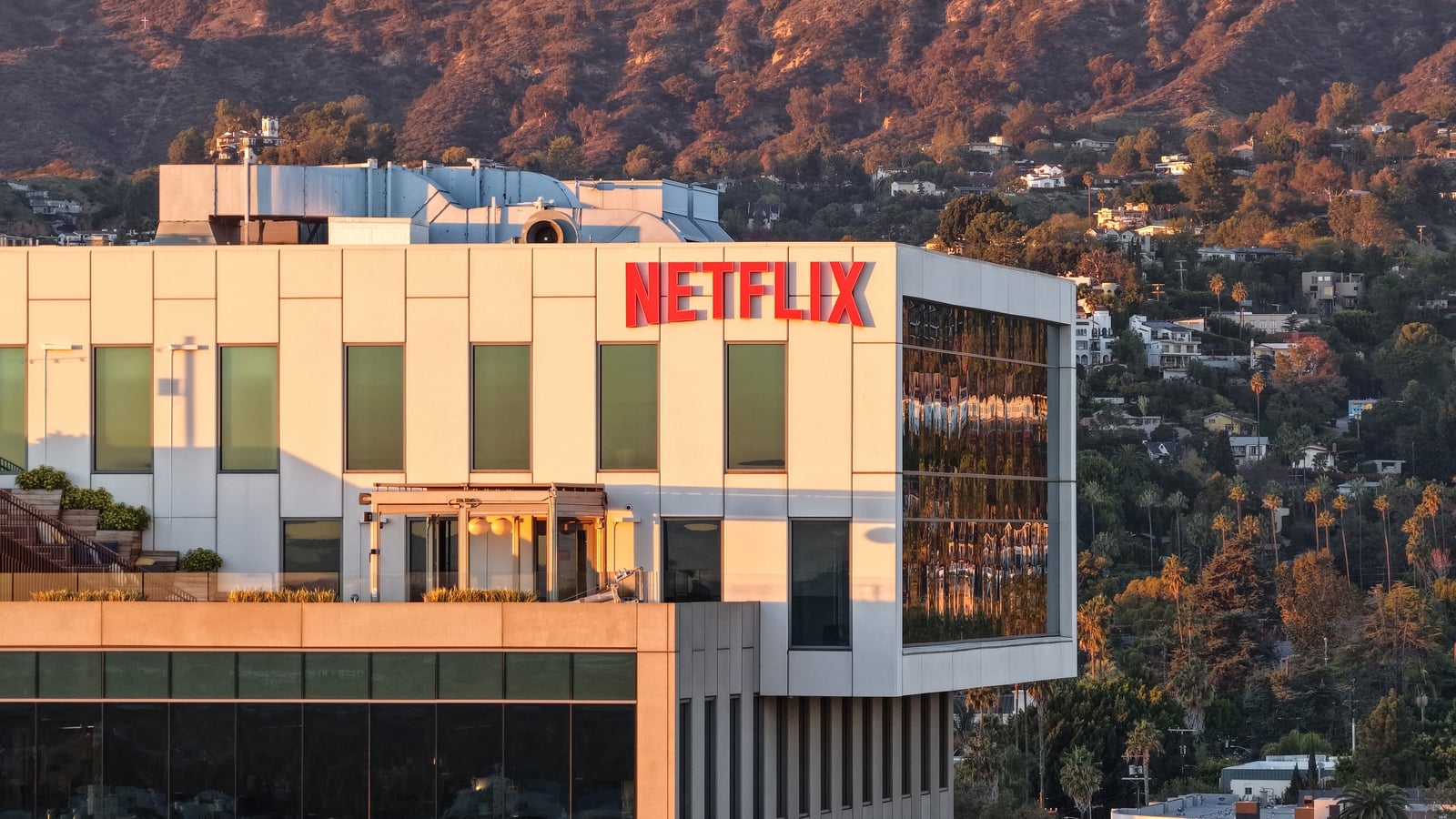
Netflix has authorized an additional $25 billion share repurchase program, signaling a strategic shift toward capital returns following the company's decision to abandon a potential $72 billion acquisition of Warner Bros. Discovery assets. This move marks a pivot in the company's capital allocation strategy, prioritizing the return of cash to shareholders over large-scale inorganic growth through major media consolidation.
Capital Allocation Strategy Shift
The decision to expand the buyback program follows the termination of discussions regarding the Warner Bros. Discovery asset purchase. By opting for share repurchases, Netflix is utilizing its balance sheet to consolidate ownership rather than pursuing a significant expansion of its content library or intellectual property portfolio through an acquisition. This approach suggests that management views its current valuation as an efficient use of excess liquidity, effectively betting on the long-term sustainability of its streaming model over the integration risks associated with a massive media merger.
For investors, the $25 billion authorization serves as a concrete indicator of the company's cash flow health. The streaming giant has transitioned from a period of heavy content spending and debt accumulation to a phase characterized by robust free cash flow generation. This transition allows the company to balance ongoing content production requirements with aggressive shareholder return policies. The scale of this buyback program is substantial relative to the company's market capitalization and highlights a commitment to reducing share count as a primary lever for earnings per share growth.
Market Positioning and AlphaScala Data
Netflix currently holds an Alpha Score of 57/100, placing it in the Moderate category within the Communication Services sector. You can track the latest performance metrics and technical indicators on the NFLX stock page. This capital return initiative arrives as the broader stock market analysis continues to focus on how major technology and media firms manage their cash piles in a high-interest rate environment. While competitors in the media space remain burdened by legacy debt and the high costs of transitioning to digital-first business models, Netflix is leveraging its scale to dictate its own financial trajectory.
This capital return program is expected to be executed over an extended timeframe, subject to market conditions and the company's ongoing operational needs. The next critical marker for investors will be the upcoming quarterly filing, which should provide further clarity on the pace of these repurchases and any updates to the company's long-term debt reduction goals. The shift away from the Warner Bros. Discovery deal suggests that future growth will likely remain focused on organic subscriber expansion and ad-tier monetization rather than headline-grabbing corporate acquisitions.