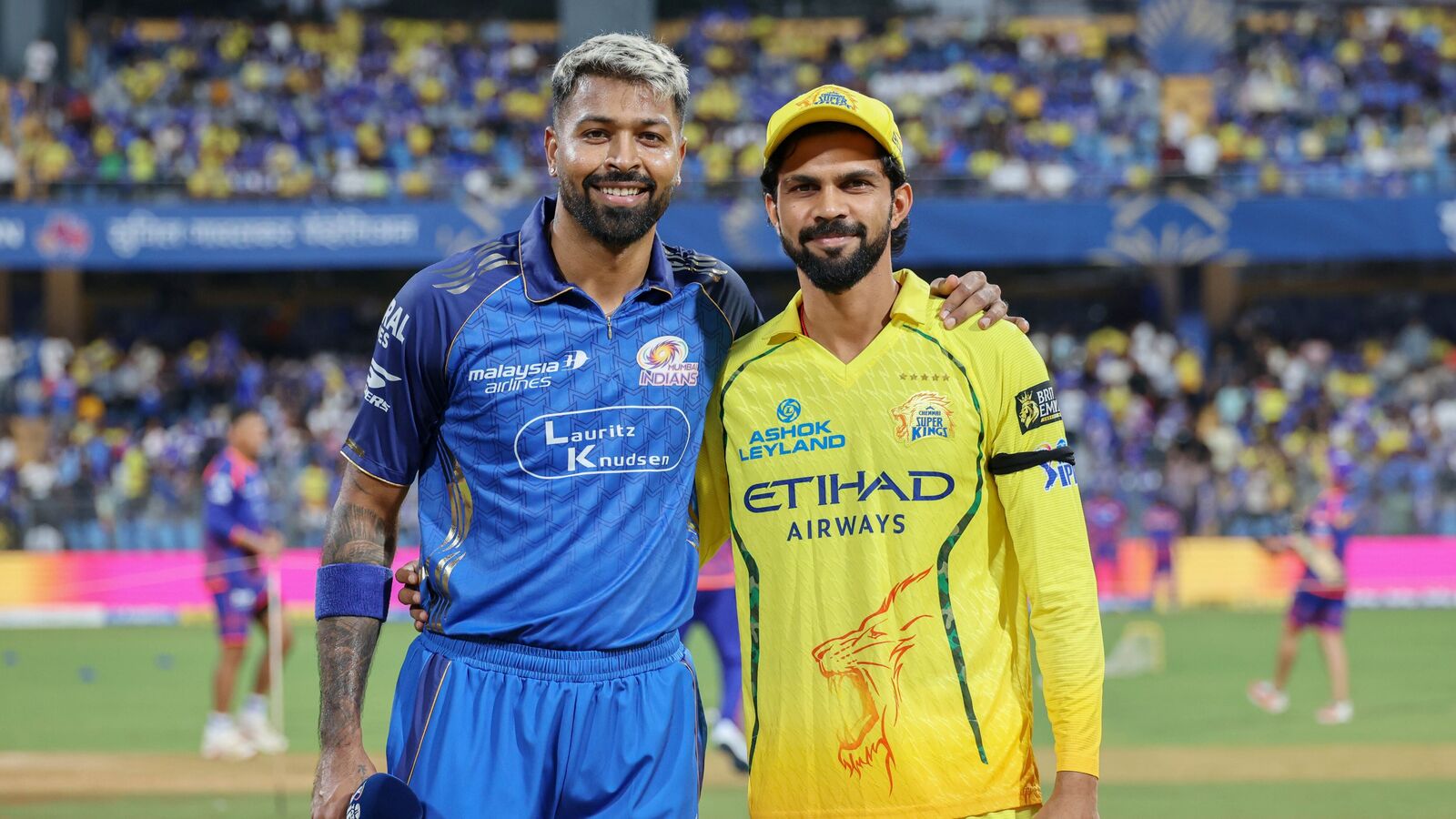
The Chennai Super Kings (CSK) took the field at Wankhede Stadium against the Mumbai Indians with players wearing black armbands, a gesture marking the recent passing of the mother of teammate Mukesh Choudhary. While the visual signal served as a tribute, it also highlighted the logistical and psychological management required when professional athletes navigate personal bereavement during high-stakes competitive cycles.
Managing Personnel Stability in High-Pressure Environments
Professional sports organizations often face the challenge of maintaining team cohesion when individual members experience significant personal trauma. The decision to include Mukesh Choudhary in the active lineup despite the recent loss underscores a specific management philosophy regarding continuity and the role of the team as a support structure. For the Chennai Super Kings, the priority remains the integration of the player into the rotation, balancing the emotional weight of the event with the requirements of the match schedule.
This approach reflects broader trends in professional sports where organizations prioritize the stability of the roster to ensure performance consistency. By allowing the player to remain active, the team minimizes the disruption to its tactical setup while providing a communal environment for the athlete. The use of black armbands serves as a formal acknowledgment of the situation, allowing the team to maintain its professional obligations while honoring the personal circumstances of its members.
Strategic Read-Throughs for Team Dynamics
In the context of competitive leagues, the ability of a team to absorb external stressors is a critical component of long-term success. Organizations that successfully manage these transitions often see higher levels of player retention and morale, which are essential for navigating the volatility of a full season. The Chennai Super Kings have historically utilized a culture of stability to manage both on-field performance and off-field personnel issues.
This event serves as a reminder that the performance of a team is inextricably linked to the personal well-being of its individual contributors. When an organization integrates these moments into its public-facing operations, it signals a commitment to the human element of the business. For investors and observers of stock market analysis, this highlights the importance of organizational culture as a non-financial metric that can influence the longevity and reliability of a professional entity.
AlphaScala Data and Market Context
While the sports sector operates on different metrics than the broader healthcare industry, the management of human capital remains a universal theme. For instance, companies like Agilent Technologies, Inc. (A stock page) maintain an Alpha Score of 55/100, reflecting a moderate standing within the healthcare sector. Similar to the Chennai Super Kings, firms in this space rely on the consistent performance of their specialized teams to maintain market position, often navigating complex internal and external pressures.
The next concrete marker for this narrative will be the team's performance in subsequent matches and whether the organization continues to adjust its roster management policies to accommodate the personal needs of its players. Observers should monitor future team filings or press briefings for shifts in personnel policy that might indicate a change in how the organization balances individual welfare with competitive output.