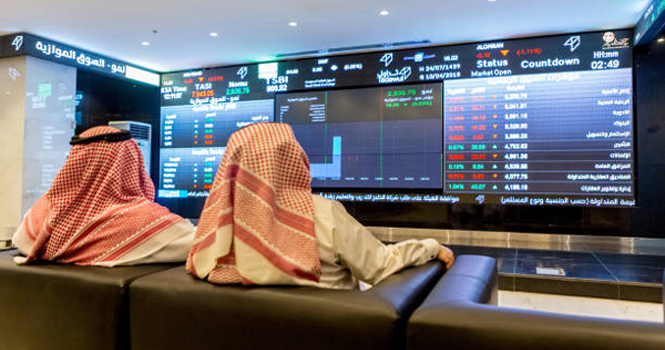
The Saudi Exchange (Tadawul) recorded six negotiated deals totaling SAR 16.4 million on April 20. These transactions represent a specific mechanism for institutional and large-scale investors to execute block trades outside the standard order book, allowing for the transfer of significant equity positions without immediate price impact on the public ticker.
Institutional Positioning and Block Trade Dynamics
Negotiated deals function as a primary tool for large shareholders to adjust portfolios or facilitate exits while maintaining market stability. By moving these volumes through a private negotiation channel, participants avoid the volatility that often accompanies large sell or buy orders in the open market. The concentration of SAR 16.4 million across six distinct deals suggests a coordinated effort by institutional entities to rebalance holdings or finalize strategic transfers.
These transactions provide a window into the underlying activity of major stakeholders who operate independently of retail-driven price action. When volume is funneled through this channel, it often indicates that the involved parties have reached a consensus on valuation that differs from the current screen price. The ability to execute these trades signifies a level of liquidity depth that supports large-scale capital movement within the Saudi market.
Sectoral Read-Through and Market Liquidity
While the individual companies involved in these six deals were not disclosed, the aggregate value serves as a barometer for institutional confidence in the broader exchange. Negotiated deals are frequently used in the context of corporate restructuring or the shifting of assets between related entities. As investors monitor stock market analysis for signs of institutional movement, these block trades act as a leading indicator for potential changes in major shareholding structures.
AlphaScala data currently tracks various consumer and industrial entities that frequently utilize these mechanisms. For instance, AS stock page shows a Mixed Alpha Score of 47/100, reflecting the volatility inherent in the consumer cyclical sector. Understanding how these negotiated deals correlate with broader sector performance is essential for identifying when institutional capital is rotating into or out of specific industries.
The Path to Future Transparency
Market participants should look to the next round of regulatory filings to determine which entities were the primary counterparties in these transactions. In the Saudi market, significant changes in shareholding percentages must be disclosed once they cross specific regulatory thresholds. These filings will clarify whether the SAR 16.4 million in volume represents a strategic entry by a new investor or a consolidation of power by existing major shareholders.
The next concrete marker for this activity will be the publication of updated substantial shareholder lists on the Tadawul website. These disclosures will provide the necessary context to determine if these negotiated deals are isolated events or part of a larger trend of institutional capital reallocation. Monitoring these filings remains the most reliable method for connecting today's block trade volume to the long-term strategy of the market's largest participants.