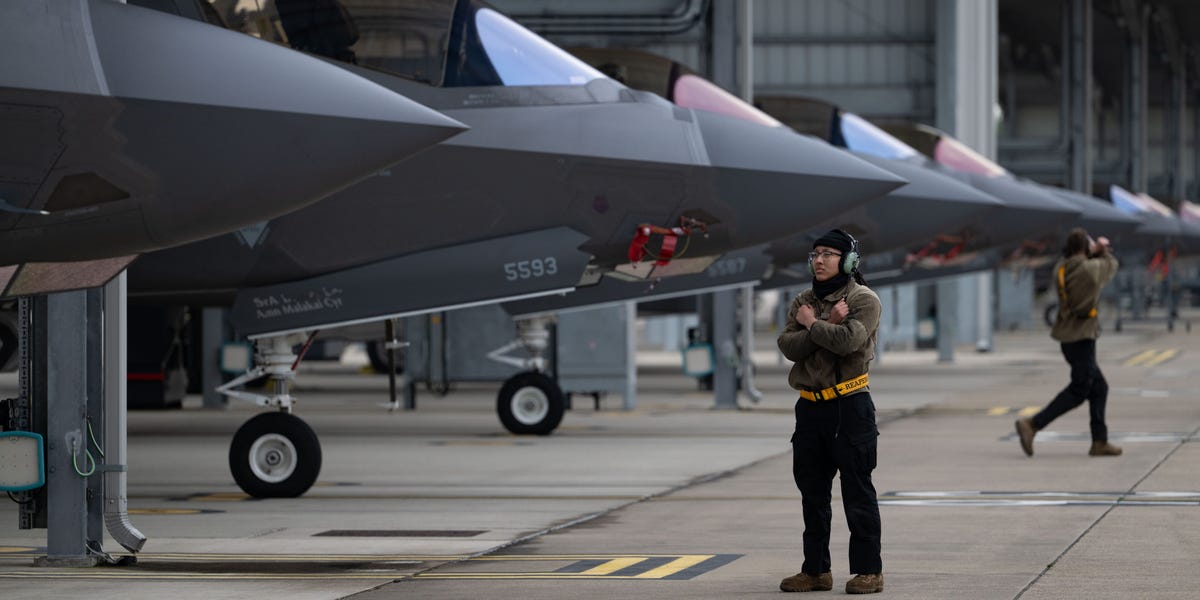
A top NATO commander told Business Insider that the West can no longer rely on large centralized headquarters for air operations. The decades-long model of coordinating air combat and defense from sprawling command centers is now obsolete, the commander said, because modern threats have grown too complex and too fast for that structure to survive.
The statement marks a significant shift in military doctrine, one with direct implications for the defense contractors that build and maintain the West's command-and-control infrastructure. If the consensus among allied air forces is that centralized hubs are no longer viable, the equipment and software that support them will need to be replaced or redesigned.
What the Shift Means for Defense Contractors
The move away from centralized headquarters points toward distributed command architectures. That means more resilient, node-based systems that can survive a degraded network or a direct strike on a physical command post. For companies that specialize in battlefield networking, tactical data links, and autonomous coordination software, this could represent a multiyear procurement cycle.
L3Harris Technologies and Northrop Grumman have existing programs for airborne command centers and resilient communications. Raytheon and Lockheed Martin produce the sensor and data-fusion systems that would feed a distributed network. The commander's comments imply that the Pentagon and allied nations will accelerate existing modernization programs rather than simply upgrade existing headquarters.
The Mechanism: From Central Hub to Distributed Mesh
The simple read is that defense spending rises and contractors win. The better market read is that the shift changes which programs get funded and which get cut. A centralized air operations center requires massive fixed infrastructure, high-bandwidth trunk links, and a single physical location with hardened defenses. A distributed mesh requires wideband satellite terminals, edge computing nodes, and AI-assisted coordination software that can work with intermittent connectivity.
Companies with exposure to low-earth-orbit satellite constellations, military 5G, and battlefield AI are positioned to benefit. Those whose revenue depends on building large fixed command centers may face headwinds.
The Decision Point for Investors
This is not an overnight catalyst. The NATO commander's statement is a doctrinal signal, not a contract award. The next concrete marker is the NATO Defence Investment Pledge review later this year, where member nations will confirm spending allocations. If formal planning documents from the alliance or from national air forces cite distributed command as a priority, the procurement pipeline will become visible.
A weaker signal would be a continued focus on upgrading existing centralized centers rather than replacing them. That would push the mesh transition out by several years.
AlphaScala Perspective
Proprietary data from AlphaScala shows that defense sector insider trading activity has shifted toward communications and networking subsectors over the past two quarters. This aligns with early positioning for the doctrine shift the commander described.
Next Catalyst to Watch
The NATO Summit in July and subsequent capability announcements from the US Air Force's Advanced Battle Management System program. A program restructure or a new contract for distributed command software would confirm the trend and create a tradable event for defense-focused portfolios.