Stocks● Neutral
Nashville Super Bowl 2030 Sets a Decade-Long Infrastructure Play
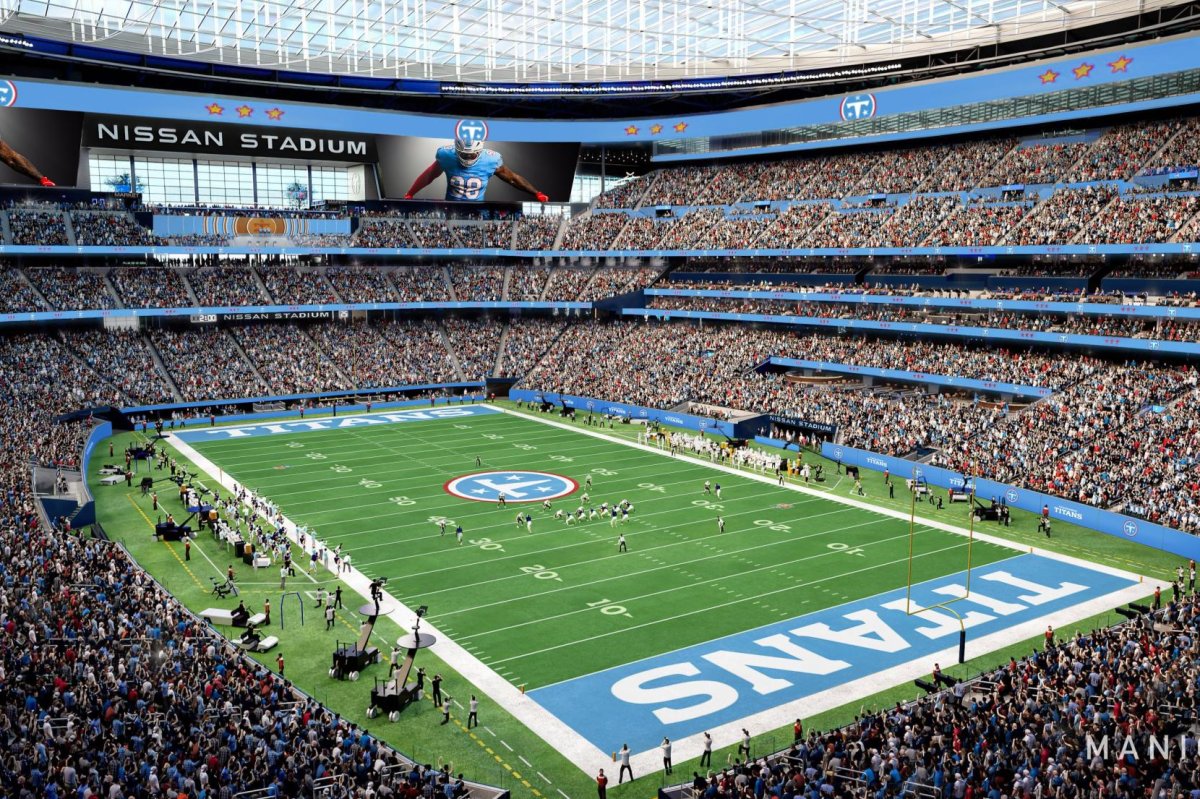
NFL awards Nashville Super Bowl LXIV for 2030 at new $2.1B Nissan Stadium. Hotel room count to hit 80,000. The infrastructure play starts now, not in 2029.
Continue with
The NFL awarded Super Bowl LXIV to Nashville on Tuesday, making the city a first-time host for the 2030 championship game. The event will take place inside the new $2.1 billion Nissan Stadium, scheduled to open in 2027. For traders tracking local infrastructure, hospitality, and real estate development, the award sets a decade-long catalyst path that rewards early positioning and punishes late entries.
The $2.1 Billion Stadium Timeline
The new Nissan Stadium will replace the current venue on the same riverfront site. Construction is already factored into local building permit pipelines. The Super Bowl designation extends the spending horizon. The Tennessee Titans, owned by Amy Adams Strunk, are the anchor tenant. The stadium's completion in 2027 means the facility will have three full NFL seasons to shake out before hosting February 2030.
Construction Spending Cycle
A $2.1 billion stadium creates direct revenue for concrete suppliers, steel fabricators, and general contractors active in the Southeast. The spend is concentrated between 2025 and 2028, with peak outlays in 2026 and 2027. Local construction materials distributors and engineering firms see a multi-year order backlog. Hotels and retail near the stadium site can expect price appreciation on land holdings starting now.
Opening Date Risk
The NFL's vote is subject to the stadium being ready. A delay beyond 2027 would not cancel the Super Bowl – the league could relocate it – but it would compress the construction schedule and raise costs. Investors in suppliers should watch for quarterly updates on foundation work and steel erection timelines.
Hotel Development: 80,000 Rooms by 2030
The Nashville Convention & Visitors Corp reported that the greater Nashville market will have a projected 658 hotels with more than 80,000 hotel rooms by 2030. That compares with 531 hotels and about 61,000 rooms today. The implied growth is 19,000 new rooms over seven years, or roughly 2,700 rooms per year.
Room Count vs. Demand
- Current supply: 61,000 rooms
- Projected supply (2030): 80,000 rooms
- Peak inventory need for Super Bowl week: estimated 40,000–50,000 rooms based on comparable host cities
- Permanent demand drivers: tourism, conventions, music industry, healthcare travel
A market that can absorb 19,000 rooms without rate erosion is a bullish signal for hotel REITs and hospitality lenders. A market that oversupplies is a risk. The Super Bowl itself is a one-week demand spike. The key is whether the non-event occupancy rate supports the new supply.
The 2019 NFL Draft drew 600,000 fans to Nashville, demonstrating the city's capacity for large fan events. The Convention & Visitors Corp cited that history in the bid process.
What the Comparables Say About Timing
The NFL also named host cities for the three preceding Super Bowls: Super Bowl LXI in 2027 at SoFi Stadium in Inglewood, California; Super Bowl LXII in 2028 in Atlanta; and Super Bowl LXIII in 2029 in Las Vegas. Each match provides a timing benchmark.