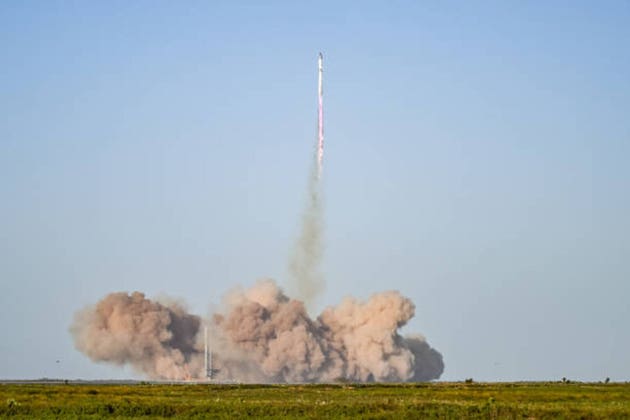
SpaceX is launching its upgraded Starship V3 this week. The test flight carries implications beyond engineering milestones. The outcome will directly affect Starlink's capacity expansion, NASA's Artemis timeline, and the private valuation that underpins any future IPO.
The test arrives with SpaceX's secondary-market valuation already past $180 billion. Starlink generates the bulk of the company's revenue. A heavier-lift Starship would let SpaceX deploy next-generation satellites at a lower per-unit cost. The simple read is that a successful launch is good for the program. The better market read ties the test to Starlink's unit economics and the IPO valuation multiple.
Starlink Economics and the Starship Link
Each Falcon 9 flight carries about 60 satellites. Starship V3 is designed to carry 100+ in a single mission. Lower launch costs per satellite mean faster constellation buildout and better margins on the consumer broadband service. SpaceX has not disclosed Starlink's unit economics publicly. Analysts at Morgan Stanley and UBS have modeled the service reaching $10 billion in annual revenue by 2025. Starship's performance this week will either support or undermine those projections.
A successful flight would validate the vehicle's increased payload capacity and reusability profile. Those variables tie directly to Starlink's path to positive free cash flow. A failure would not stop the program. It would slow the narrative momentum that SpaceX has built over the past 18 months.
IPO Clock and the Artemis Connection
SpaceX has no public filing on file. Private-market pricing already reflects an expectation that the company will eventually list. IPO speculation has centered on 2025 or 2026. That timeline is contingent on Starship reaching operational reliability. A failure this week would push that timeline to the right. A clean flight would give underwriters a stronger case for a premium multiple.
The NASA Artemis connection adds another layer. Starship is the designated human landing system for the Artemis III mission. Any delay in the vehicle's development creates schedule risk for the agency's moon return. That risk pressures SpaceX's government-contract revenue stream. A successful test reduces that risk and keeps the contract pipeline intact.
The Binary Decision This Test Creates
For investors tracking the private-company space, this week's flight is a binary event. A successful launch and recovery would likely trigger a fresh round of secondary-market trading at a higher valuation. A failure would not kill the program. It would slow the narrative momentum that SpaceX has built over the past 18 months.
Watch for the Federal Aviation Administration license approval. That is the final regulatory gate before the launch window opens. If the license clears and the flight succeeds, the IPO conversation will shift from speculation to timeline planning. If the flight fails, the conversation will focus on engineering delays and the cost of rework.