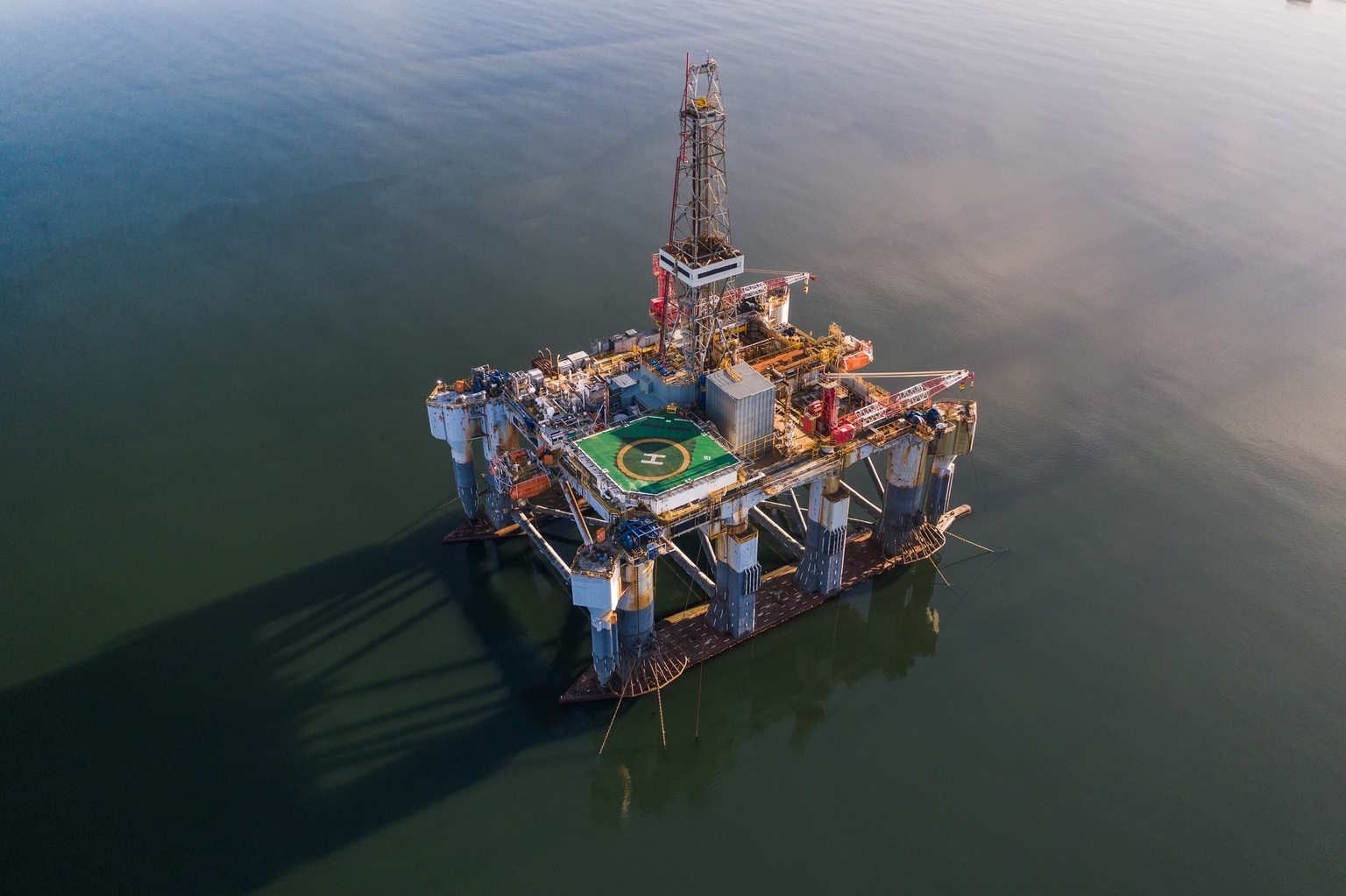
Nabors Industries saw its active rig count edge higher in the latest week, a signal that the US onshore drilling market is finding a floor after months of contraction. The company reported 433 rigs running, up from 428 a week earlier, according to Baker Hughes data published Friday.
The increase snapped a two-week decline and brought the count back to levels last seen in early April. Nabors, one of the largest land drillers in North America, operates roughly 15% of the US fleet. The gain was concentrated in the Permian Basin, where operators added four rigs, and the Haynesville shale, which added two.
What changed. The rig count had been sliding since mid-March as operators pulled back on spending after oil prices slipped below $70 a barrel. West Texas Intermediate crude has since recovered to the mid-$70s, a level that makes new wells economic in most US basins. The recovery in drilling activity suggests producers are willing to add capacity when prices hold above that threshold.
The better read. The headline rig count masks a split between oil-directed and gas-directed drilling. Oil rigs rose by six to 352, while gas rigs fell by two to 81. That divergence reflects the persistent weakness in natural gas prices, which have stayed below $2.50 per million British thermal units for most of the year. Gas-directed drilling remains uneconomic at those levels, and operators are shifting capital to oil-prone acreage.
Nabors is more exposed to oil than gas, which works in its favor. The company generates roughly 70% of its revenue from oil-directed rigs, according to its latest investor presentation. The Permian, where Nabors has the largest market share among contract drillers, accounts for about half of its US revenue. A sustained oil price above $70 supports the current activity level and opens the door to modest growth in the second half of the year.
The risk. The rig count is still 15% below the peak reached in late 2023. Dayrates, the daily fee Nabors charges for a rig and crew, have been flat to slightly lower as operators push back on pricing. The company's earnings have been under pressure as a result. Nabors reported an adjusted loss of $0.12 per share in the first quarter, narrower than the $0.28 loss a year earlier but still negative. Analysts expect the company to remain unprofitable through 2026 before turning positive in 2027, according to consensus estimates compiled by Bloomberg.
The path to profitability depends on two things: higher dayrates and more rigs. Dayrates typically lag rig count by three to six months, meaning the recent stabilization in activity should start showing up in pricing by the third quarter. If oil stays above $75, operators may need to add more rigs to meet production targets, which would tighten the market for drilling services and give Nabors leverage to raise rates.
What would confirm the setup. A second consecutive weekly rig count increase, especially if it comes with commentary from operators about adding capacity. Nabors' own monthly fleet report, due in early June, will show whether the gains are broad-based or concentrated in a few basins. The company's next earnings call, scheduled for late July, will be the first real test of whether dayrates are starting to move.
What would weaken it. A drop in oil prices below $70 would likely halt the recovery and could push the rig count back toward the 400 level. A sharp move lower in natural gas prices would accelerate the shift away from gas-directed drilling, which would hurt Nabors' smaller gas-exposed fleet. The company carries $2.3 billion in net debt, and a prolonged downturn would strain its balance sheet.
Nabors shares trade at roughly 6 times forward EBITDA, a discount to peers like Helmerich & Payne at 7.5 times. The valuation reflects the market's skepticism that the recovery will stick. If the rig count keeps rising through the summer, that discount should narrow.