Stocks● Neutral
Mutual Funds Pivot to HDFC Bank as Tata Motors Gains Exit
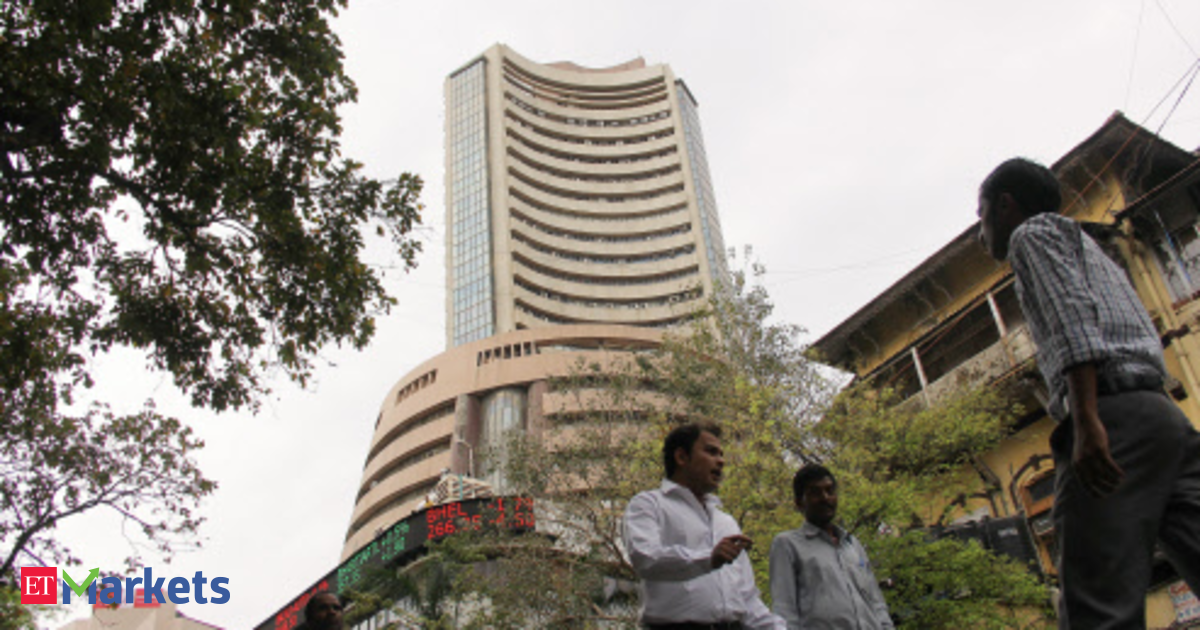
Domestic funds are rotating capital into banking stocks to absorb foreign selling. Monitor delivery volumes in HDFC Bank for signs of a sustained floor.
Continue with
Domestic funds are rotating capital into banking stocks to absorb foreign selling. Monitor delivery volumes in HDFC Bank for signs of a sustained floor.
Indian mutual funds deployed significant capital into domestic equities during the March market correction, effectively absorbing supply from departing foreign institutional investors. Data indicates that fund managers focused on high-conviction banking plays, with HDFC Bank emerging as a primary target for accumulation. This buying activity suggests that domestic managers view current valuations in the financial sector as an entry point rather than a value trap, contrasting with broader market volatility.
Beyond the banking sector, BSE also saw meaningful interest from mutual fund portfolios. The strategic positioning in exchange infrastructure highlights a preference for firms that benefit from long-term capital market participation, regardless of short-term price swings. These moves provide a counterweight to the selling pressure often seen during periods of index-wide liquidation.
While managers added to positions in financials, they simultaneously trimmed exposure to cyclical winners. Tata Motors was the standout name for profit-taking, as funds moved to lock in gains following the stock's recent performance. This rotation reflects a classic rebalancing act, where capital is pulled from cyclical industrials and moved into the relative safety of the banking sector.
Portfolio allocation remains heavily skewed toward major financial institutions. The following stocks continue to dominate the top holdings of large-cap and flexi-cap mutual fund schemes:
| Stock | Action | Sector |
|---|---|---|
| HDFC Bank | Accumulate | Banking |
| ICICI Bank | Accumulate | Banking |
| SBI | Accumulate | Banking |
| BSE | Accumulate | Financial Services |
| Tata Motors | Distribute | Automotive |
For traders, the divergence between mutual fund activity and foreign investor flows is the key signal. When domestic funds act as a floor for blue-chip banking stocks, it creates a specific support level that technical traders should respect. If HDFC Bank or ICICI Bank show intraday resilience despite negative sentiment in the Nifty 50 or Sensex, it is likely the result of this institutional bid.
"Mutual funds have acted as a stabilizing force, absorbing the selling pressure from foreign investors during the recent correction."
Traders should watch for the following developments in the coming sessions:
Institutional flows are currently prioritizing balance sheet strength over growth momentum in the automotive sector. Expect continued volatility until foreign outflows stabilize or domestic inflows accelerate to fill the liquidity gap.
Prepared with AlphaScala editorial tooling from the source reporting linked above. Indexable analysis may include a cited Alpha Score value. Publishing checks screen each story before release. Educational coverage, not personalized advice.