Stocks● Neutral
Mozambique's Conservation Conundrum: Who Gets the Land?
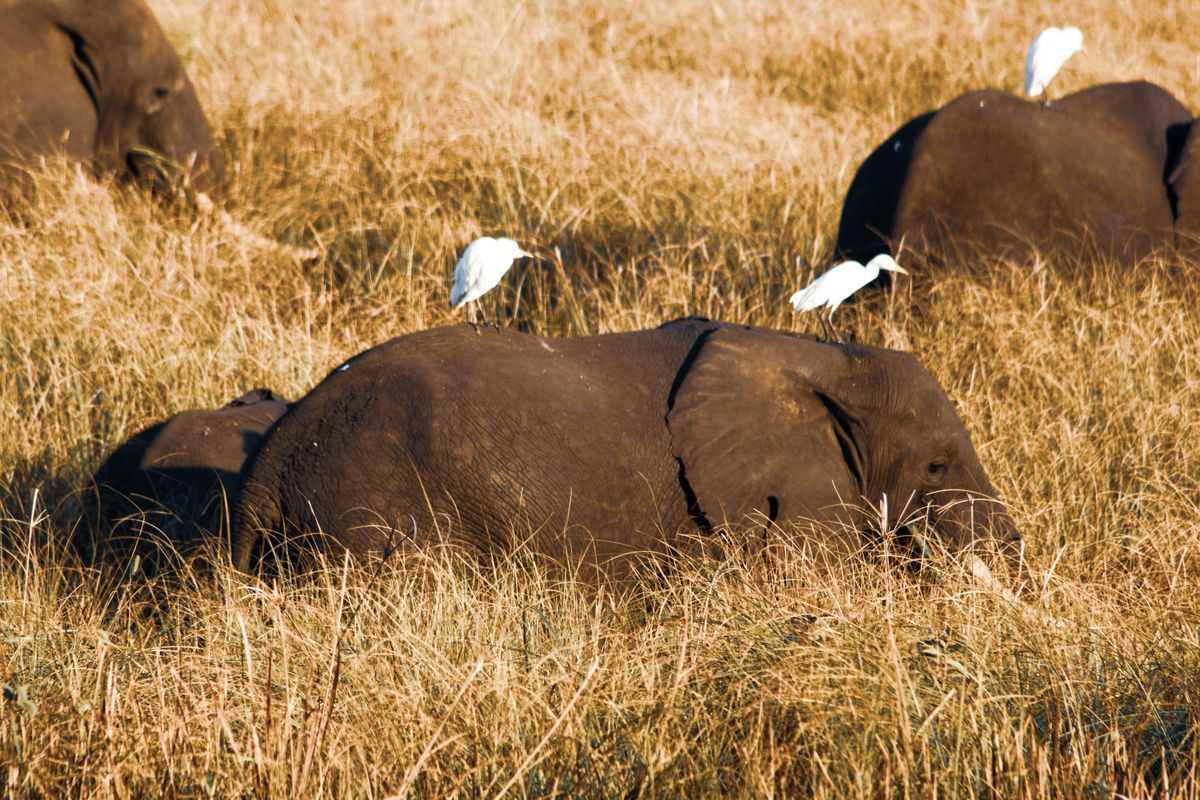
Mozambique fired concession managers at Muthemba and Gaza Safari over blocked roads and wildlife probes. The real question: who governs conservation land?
Continue with
Mozambique dismissed the managers of the Muthemba and Gaza Safari concessions this week. Authorities also opened investigations into alleged wildlife offences and blocked community roads. The moves look like a local administrative cleanup on the surface. They touch a deeper question: how does Mozambique govern the land it has set aside for wildlife and tourism?
Conservation in Mozambique is not a pure wildlife play. Concessions are supposed to draw investment, create jobs, generate tourism revenue, and protect biodiversity. The same landscapes hold communities that have farmed, grazed livestock, and travelled between villages for generations. When a concession manager blocks a public road, the government is right to step in. Protected areas cannot become private fiefdoms where neighbours lose access to schools, markets, or clinics. Wildlife is a national asset. So is freedom of movement.