Stocks● Neutral
Mother Dairy's Degradable Pouch Reshapes India's Plastic Waste Calculus
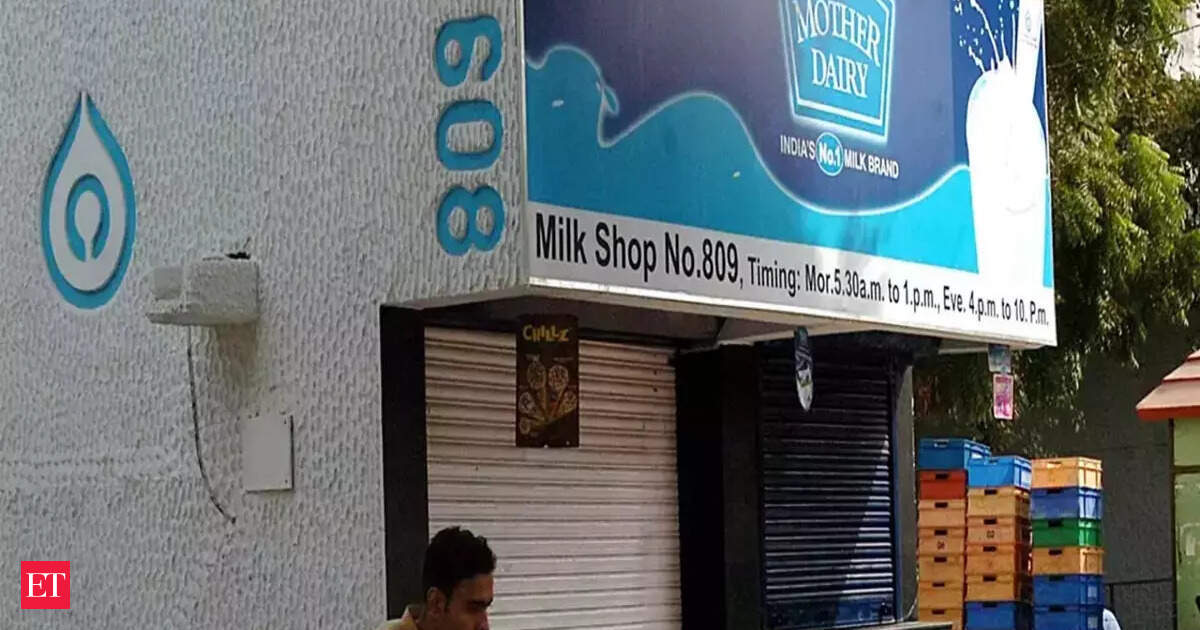
Mother Dairy absorbs the cost of India's first fully degradable milk pouch, launching June 5 in Delhi-NCR. Competitors face a packaging benchmark with no price hike for consumers.
Continue with
Mother Dairy is launching what it calls India's first fully degradable milk pouch, a packaging shift that targets the single largest source of plastic waste in the country's consumer goods chain. The rollout begins in Delhi-NCR on June 5, timed to World Environment Day. The company is absorbing the material cost. Consumer prices will not change.
The Degradable Pouch Mechanic
The new pouch is engineered to break down into natural elements in soil within years, not centuries. Standard polyethylene milk pouches persist for hundreds of years and clog landfills across India's urban corridors. Mother Dairy's cost-absorption move shifts risk onto the manufacturer. For a staple bought daily by millions of households, price stability is a non-negotiable condition of adoption. If Mother Dairy can sustain the margin hit at scale, it removes a common objection to sustainable packaging transitions in emerging markets.
The actual chemical composition of the pouch has not been disclosed. The claim of full degradation in soil suggests a non-traditional polymer blend or a certified compostable film. Polyethylene producers supplying the Indian dairy sector face a potential demand shift. If the degradable material is a bio-based or additive-enhanced polymer, it changes the procurement mix for converters.
Read-Through for India's Dairy Packaging Sector
Mother Dairy's move creates a reference case for the rest of India's organized dairy sector. Amul, Patanjali, and regional dairies in Nandini and Verka territory now face a clear benchmark. The read-through is strongest for companies with high exposure to polyethylene film sourcing and in-house packaging lines.