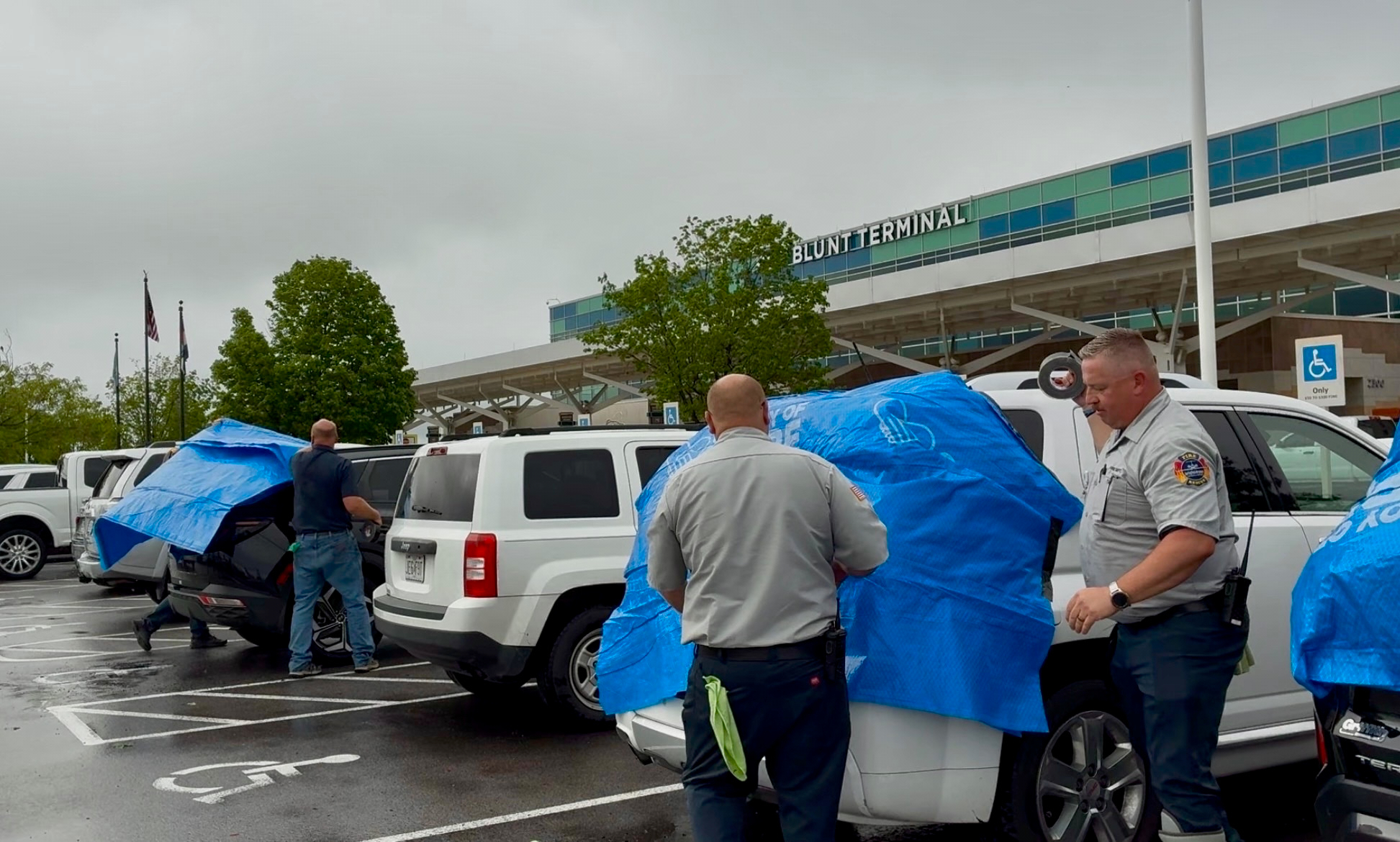
A severe hailstorm in Missouri has caused widespread damage to hundreds of vehicles, creating an immediate operational strain on regional auto insurance providers and repair networks. The event, characterized by softball-sized ice chunks, has resulted in significant property loss that will likely manifest as a spike in loss ratios for insurers operating in the Midwest. This localized catastrophe serves as a reminder of the volatility inherent in climate-related risk pricing for the insurance sector.
Impact on Regional Insurance Loss Ratios
The sudden influx of claims following a weather event of this magnitude forces insurers to accelerate their loss adjustment processes. Because the damage is concentrated within a specific geographic footprint, firms with high exposure to the Missouri auto market will face immediate pressure on their quarterly underwriting results. The scale of the damage suggests that repair facilities will experience a backlog, which may extend the duration of claims processing and increase the total cost of individual settlements due to supply chain constraints on automotive glass and body panels.
This event highlights the broader challenge for the insurance industry as it navigates the intersection of climate volatility and rising vehicle repair costs. While individual storm events are often absorbed by existing reserves, the frequency of such occurrences in the Midwest continues to influence how underwriters assess regional risk. Investors monitoring the stock market analysis should consider how these localized events contribute to the cumulative pressure on premium pricing models.
Supply Chain and Repair Infrastructure Constraints
The physical damage to hundreds of vehicles creates a bottleneck in the local automotive aftermarket. Repair shops are currently facing a surge in demand for windshield replacements and bodywork, which often leads to inflationary pressure on labor and parts. This secondary effect can inflate the severity of insurance claims beyond the initial estimates provided by policyholders in the immediate aftermath of the storm.
For companies within the financial sector, including those like ICE stock page, the broader market environment remains sensitive to how insurers manage these capital-intensive events. The ability of an insurer to maintain profitability during periods of high claim volume depends on their reinsurance coverage and the efficiency of their claims management infrastructure.
Monitoring the Claims Cycle
The next concrete marker for this event will be the release of regional loss data in upcoming quarterly filings. Analysts will look for deviations in the loss and combined ratios of major regional carriers to determine if the Missouri storm represents an outlier or a trend of increasing severity. Furthermore, the speed at which repair networks return to normal capacity will dictate the ultimate financial impact on the insurance sector. The focus remains on whether these costs are contained within current guidance or if they necessitate a broader reassessment of regional risk premiums.