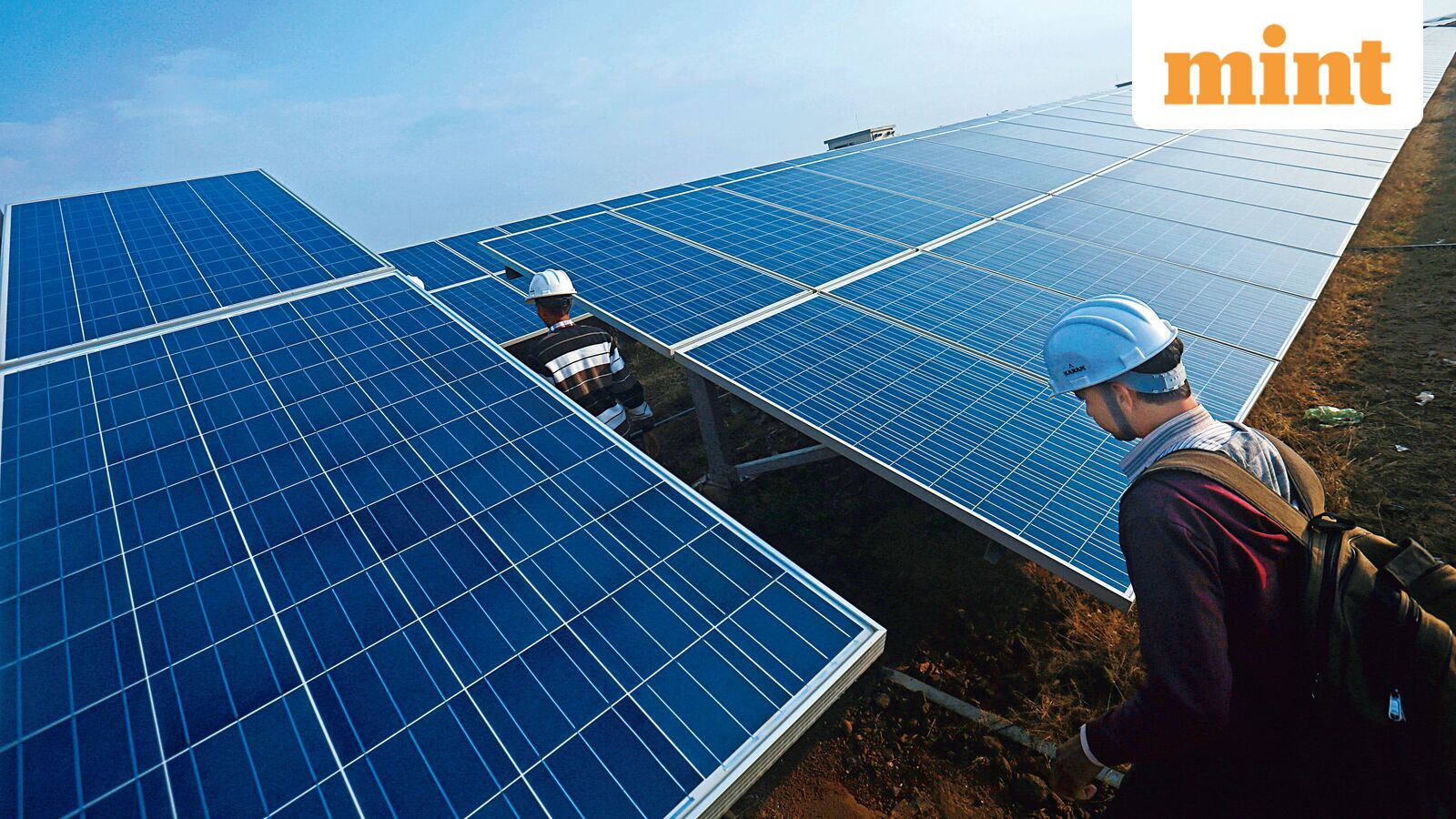
The recent escalation in regional tensions involving Iran has introduced a fresh supply-side shock to global energy markets, forcing a recalibration of the transition timeline from fossil fuels to renewable infrastructure. While historical energy crises typically acted as catalysts for accelerated clean energy adoption, the current environment is defined by persistent inflationary pressures and supply chain constraints that complicate capital-intensive projects. The transmission mechanism for this shift is rooted in the cost of capital and the availability of critical raw materials, both of which are currently sensitive to broader monetary policy tightening.
Capital Constraints and Renewable Scaling
The pivot toward renewables is no longer solely a function of policy mandates or environmental objectives. It is increasingly tethered to the fiscal capacity of governments and the interest rate environment. High rates increase the cost of financing large-scale infrastructure, such as wind and solar farms, which are inherently capital-heavy. When energy prices spike due to geopolitical instability, the immediate priority for policymakers often shifts toward short-term price stability and energy security. This frequently results in a temporary reliance on existing fossil fuel infrastructure to prevent domestic economic contraction, creating a friction point between long-term decarbonization goals and immediate inflationary containment.
Supply chain disruptions further exacerbate this tension. The manufacturing of renewable components requires a steady flow of specialized materials, many of which are subject to the same logistical bottlenecks that affect traditional industrial sectors. As seen in recent manufacturing PMI final prints, industrial expansion is narrowing, which limits the ability of firms to scale production efficiently in response to sudden shifts in energy demand. The result is a paradox where the urgency to transition is at its highest, yet the economic conditions to facilitate that transition are increasingly strained.
Cross-Asset Transmission and Energy Security
The interaction between energy prices and broader market stability remains a critical linkage. A sustained rise in crude oil prices, driven by regional conflict, acts as a tax on consumer spending and corporate margins. This dynamic often forces central banks to maintain restrictive policy stances, which in turn keeps bond yields elevated and places pressure on equity valuations in sectors sensitive to debt levels. For instance, companies in the real estate sector, such as Realty Income Corporation (O), which holds an Alpha Score of 56/100, face ongoing headwinds as the cost of debt remains elevated, limiting their ability to expand or refinance existing portfolios efficiently.
- Energy price volatility increases the risk premium for industrial and consumer-facing equities.
- Central bank policy remains caught between supporting growth and managing energy-driven inflation.
- Capital allocation for renewable projects is increasingly competing with immediate energy security expenditures.
The next concrete marker for this transition will be the upcoming quarterly capital expenditure reports from major energy and utility firms. These filings will reveal whether firms are prioritizing long-term renewable investment or pivoting toward short-term fossil fuel production to capitalize on current price spikes. Monitoring these shifts is essential for understanding how the global energy mix will evolve in the face of persistent geopolitical and inflationary headwinds. Investors should also observe the central bank policy stasis as a primary indicator of whether the cost of capital will remain a barrier to renewable scaling in the coming fiscal year.