Stocks● Neutral
Mining Equipment's Green Turn: Zoomlion Hybrids Save 20% Fuel
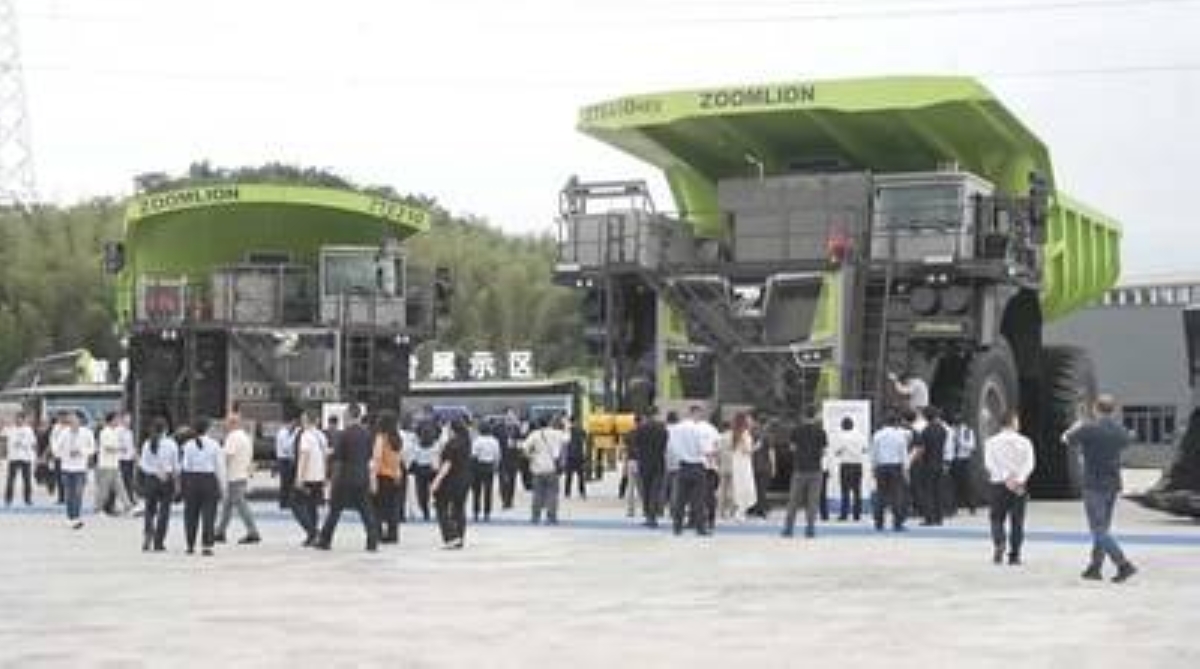
Zoomlion's 20% fuel savings and 100 driverless trucks challenge mining OEMs. The sector's next catalyst is autonomous fleet adoption rates.
Continue with
Zoomlion Heavy Industry Science & Technology hosted its 2026 Global Mining Machinery Expo in Changsha on May 16, drawing more than 500 customers from nearly 30 countries. Three flagship models headlined the event: the ZWL360 hybrid wheeled loader, the ZTE450HEV hybrid electric-drive mining truck, and the ZE1650G dual-engine mining excavator. The expo was not a static display – the company demonstrated live coordinated dig-load-haul operations combining remote control and autonomous haulage, then unveiled two software platforms for real-time equipment monitoring and fault prediction.
For investors tracking the mining equipment sector, the event crystallizes a shift that has been building for two years: the transition from diesel-only fleets to hybrid and fully electric machines is no longer a pilot-stage story. Zoomlion now has more than 40 new-energy mining products and components in its catalogue. Its electric and hybrid machines are operating across dozens of mines globally, with individual units logging more than 8,000 hours of service. The question for sector watchers is whether this scale is enough to force a response from traditional OEMs that have been slower to commercialize hybrid architectures.
Zoomlion's Flagship Launches Set New Benchmarks in Mining Equipment
Hybrid Wheel Loader and Hybrid Truck: Energy Savings and Payload
The ZWL360 is the world's largest hybrid wheeled loader, with a rated load of 36 tons and 1,495 kilowatts of combined power. It delivers more than 15% energy savings compared with comparable machines. The ZTE450HEV carries a 240-ton payload and is powered by a diesel-electric drivetrain with energy recovery systems. Together, these models target the high-volume, heavy-lift segment where fuel costs dominate total cost of ownership.
Dual-Engine Excavator for Harsh Conditions
The ZE1650G excavator runs two QSM15 engines in tandem. The design is built for continuous operation in remote, harsh environments where engine redundancy matters more than pure efficiency. Company testing recorded a 20% reduction in fuel consumption and an 11.2% improvement in operating efficiency on the hybrid models, numbers that directly translate into lower per-ton haulage costs for mine operators.
Green Mining Transition: Zoomlion's Proprietary Hybrid Architecture vs. Competitors
The ZM-i Adaptive Super Energy Management System
Zoomlion's technical edge rests on the ZM-i Adaptive Super Energy Management System. The architecture is a true hybrid: the diesel engine and electric motor run simultaneously under heavy load, rather than alternating. This parallel design eliminates the efficiency losses common in series hybrids, where mechanical energy is converted to electricity and back again.
Key insight: The shift from alternator-style hybrids to true parallel architectures is the engineering moat that defines the next generation of mining equipment. Companies that can deliver both fuel savings and maintain mechanical reliability under dust, heat, and continuous load cycles will capture the replacement cycle.
40+ New-Energy Products Now in Field
Zoomlion's new-energy product line now includes the ZT160HEV hybrid and ZT165EV pure electric mining trucks. The company displayed more than 40 such products and components at the expo. The operating data is a differentiator: electric and hybrid machines already in the field have accumulated thousands of hours of runtime, giving Zoomlion a real-world failure log that laboratory testing cannot replicate.