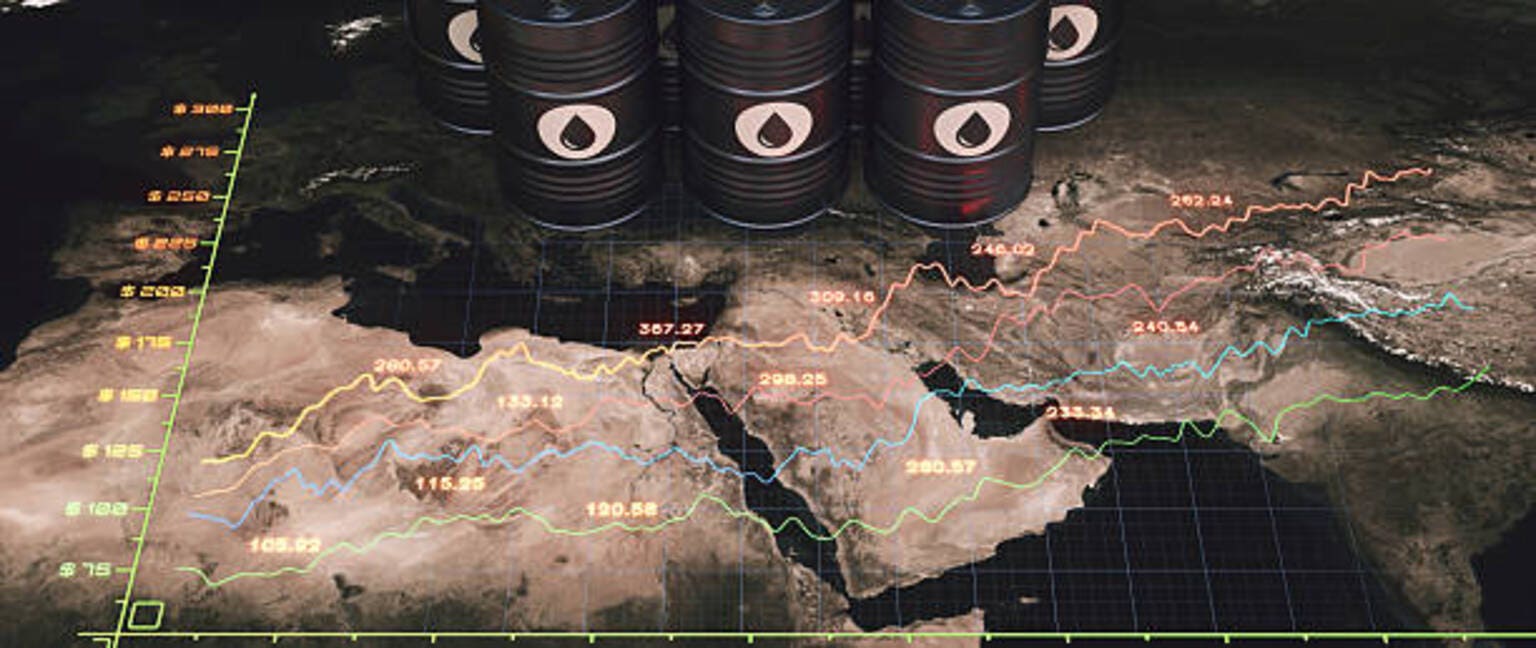
The escalating crisis involving Iran and the Strait of Hormuz has entered a new phase of volatility, directly threatening the stability of global energy supply chains. As regional tensions intensify, the primary risk to the market is not merely a price spike, but a physical shortfall of crude and natural gas deliveries to key import hubs in Asia and Europe. The current situation forces a reassessment of transit risk for tankers navigating the Strait of Hormuz, a critical chokepoint for global energy flows.
Strait of Hormuz Transit Risk and Supply Constraints
The Strait of Hormuz remains the most significant bottleneck for global oil production. Any disruption to maritime traffic through this corridor forces an immediate re-routing of tankers, which adds significant time and cost to delivery schedules. For energy-dependent economies in Asia, these delays translate into inventory tightening and potential rationing if supply chains fail to adapt to the new transit reality. The market is currently pricing in a risk premium that reflects the uncertainty of sustained throughput rather than a temporary blockage.
While price action in Brent crude often captures the headlines, the more granular concern for traders is the widening spread between prompt and forward delivery contracts. This backwardation indicates that the market is prioritizing immediate supply over long-term hedging. If physical inventories at major storage hubs begin to draw down at an accelerated pace, the volatility in the energy complex will likely decouple from broader equity market trends. Traders should focus on the duration of transit delays rather than the absolute price level, as the former dictates the severity of the supply squeeze.
Regional Demand and Import Vulnerability
Asia and Europe are disproportionately exposed to these supply shocks due to their reliance on Middle Eastern exports. Unlike domestic producers, these regions lack the buffer of immediate, localized supply to offset a sudden drop in imports. The vulnerability is compounded by the seasonal nature of energy demand, which often leaves importers with little room for error when transit routes are compromised. A sustained disruption would force these regions to compete for non-Middle Eastern barrels, likely driving up global prices regardless of the specific origin of the cargo.
For those monitoring the energy sector, the next concrete marker is the publication of tanker tracking data and regional inventory reports. A sustained increase in the number of vessels idling outside the Strait or taking the longer route around the Cape of Good Hope would confirm that the supply chain is under structural stress. Conversely, a normalization of transit times would suggest that the risk premium is overstated. The market will remain sensitive to any further escalation in maritime security incidents, which would serve as a catalyst for a re-pricing of energy assets across the board. For further context on how these geopolitical shifts impact the broader commodities analysis, traders must track the physical flow of barrels as the primary indicator of market health before relying on sentiment-driven price moves.