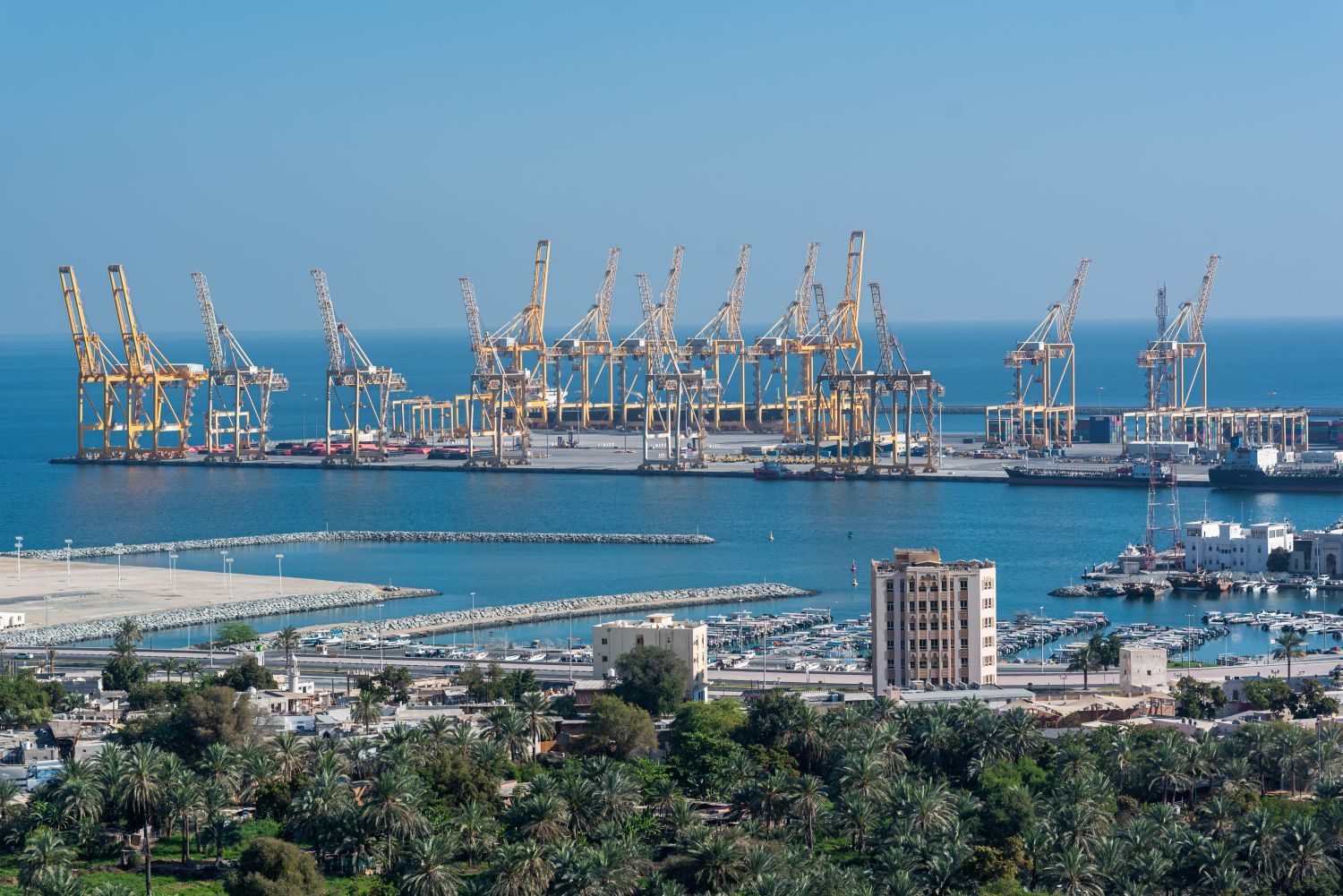
Hapag-Lloyd and MSC are deploying feeder services to restore cargo links in the upper Persian Gulf, effectively bypassing the Strait of Hormuz. This shift signals a strategic pivot by major container lines that have concluded the waterway will remain a restricted zone for the foreseeable future. By integrating land bridge options into their logistics networks, these carriers are attempting to maintain supply chain continuity in a region where maritime transit has become increasingly untenable.
This infrastructure adaptation coincides with development initiatives from XCTG, which is currently focused on upgrading existing berths and constructing new ones. The project also includes the development of a multimodal smart logistics center, aimed at streamlining the flow of goods as regional trade routes undergo a structural reconfiguration. For logistics operators, the move toward land-based alternatives and feeder-heavy networks represents a shift in capital allocation toward fixed-asset infrastructure over traditional deep-sea transit models.
Industrial gas demand remains a critical component of the broader materials sector, which often serves as a proxy for the health of these global supply chains. Linde plc (LIN) has recently adopted a guarded outlook for the remainder of 2026, reflecting the broader uncertainty in industrial throughput. While competitors like Air Liquide are banking on a potential rebound effect in the United States to drive growth, the current reality for global materials firms is one of cautious inventory management and limited visibility into long-term demand cycles.
Linde plc currently holds an Alpha Score of 49/100, reflecting a mixed outlook as the company navigates these shifting industrial headwinds. Investors tracking the materials sector should view this score alongside the company's LIN stock page to assess how regional logistics bottlenecks in the Persian Gulf might impact broader chemical and gas distribution efficiencies. The divergence between the US-centric recovery narrative and the reality of global trade disruptions suggests that market participants should prioritize companies with localized supply chain resilience.
The next decision point for the sector involves the operational success of these new feeder routes and whether XCTG can meet its development milestones on schedule. If the land bridge options prove capable of handling high-volume throughput without significant cost inflation, it could set a new standard for regional logistics. Conversely, any failure to integrate these multimodal hubs effectively will likely force a reassessment of supply chain reliability for the entire upper Persian Gulf region. Monitoring the pace of terminal upgrades will be the primary indicator of whether this shift provides a sustainable solution or merely a temporary stopgap for global carriers.