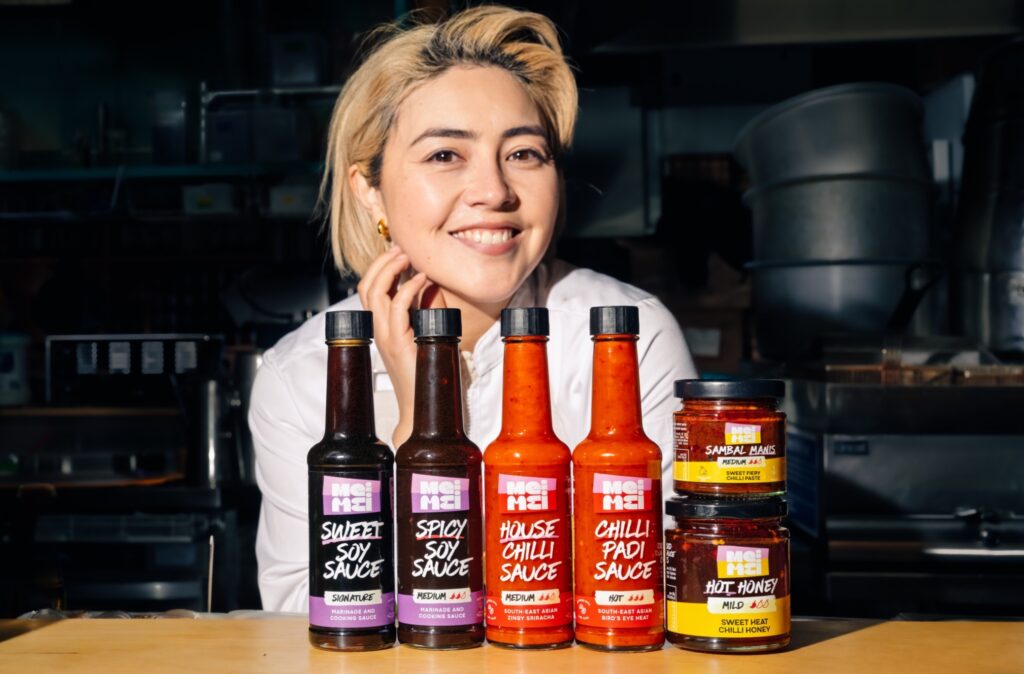
The expansion of Mei Mei Goods into the digital retail space marks a transition from niche restaurant-branded products to broader consumer accessibility. By securing an exclusive launch on Ocado.com, the brand is leveraging the platform's logistics network to reach a wider demographic of home cooks. This move signals a shift in how boutique culinary brands attempt to capture market share in the competitive specialty food sector.
Strategic Distribution via Ocado
The partnership with Ocado provides Mei Mei Goods with a centralized distribution channel that bypasses the complexities of physical retail shelf-space negotiations. For a brand rooted in the reputation of a Borough Market restaurant, this digital-first approach allows for targeted marketing to consumers already inclined toward premium or specialty grocery items. The reliance on a dedicated online supermarket suggests a focus on high-intent shoppers who prioritize convenience and curated product selections over traditional mass-market retail.
This distribution model reflects a broader trend where food brands prioritize direct-to-consumer or exclusive online partnerships to maintain brand integrity while scaling volume. By aligning with a platform known for its logistics efficiency, the company minimizes the operational friction typically associated with scaling from a single physical location to a national retail footprint. The success of this launch will depend on the brand's ability to convert restaurant-goers into repeat retail customers.
Market Positioning and Consumer Reach
Mei Mei Goods is positioning its product line as a solution for home cooks seeking to replicate restaurant-quality Asian cuisine with minimal effort. This value proposition targets a specific segment of the grocery market that values time-saving convenience without sacrificing flavor complexity. The brand is essentially commoditizing the expertise of its parent restaurant to create a scalable revenue stream that operates independently of physical foot traffic.
For investors monitoring the specialty food sector, this launch serves as a case study in brand extension. The ability to translate a physical brand identity into a shelf-stable product line is a recurring challenge for hospitality-based businesses. If the Ocado partnership yields consistent volume, it may provide a blueprint for other niche culinary brands looking to expand their reach without the capital expenditure of opening multiple physical locations.
Operational Next Steps
As the product line integrates into the Ocado inventory system, the next marker for success will be the expansion of the product range and the potential for broader retail distribution. Monitoring the velocity of these products on the platform will provide insight into whether the brand can sustain momentum beyond the initial launch phase. Future updates regarding supply chain capacity or new retail partnerships will be the primary indicators of whether this strategy is intended to be a long-term retail play or a limited-run brand experiment.
For those following broader retail trends, this development aligns with the shift toward stock market analysis regarding how consumer goods companies manage growth in a fragmented digital landscape. The company must now prove that its restaurant-derived reputation can withstand the transition to a high-volume, automated grocery environment.