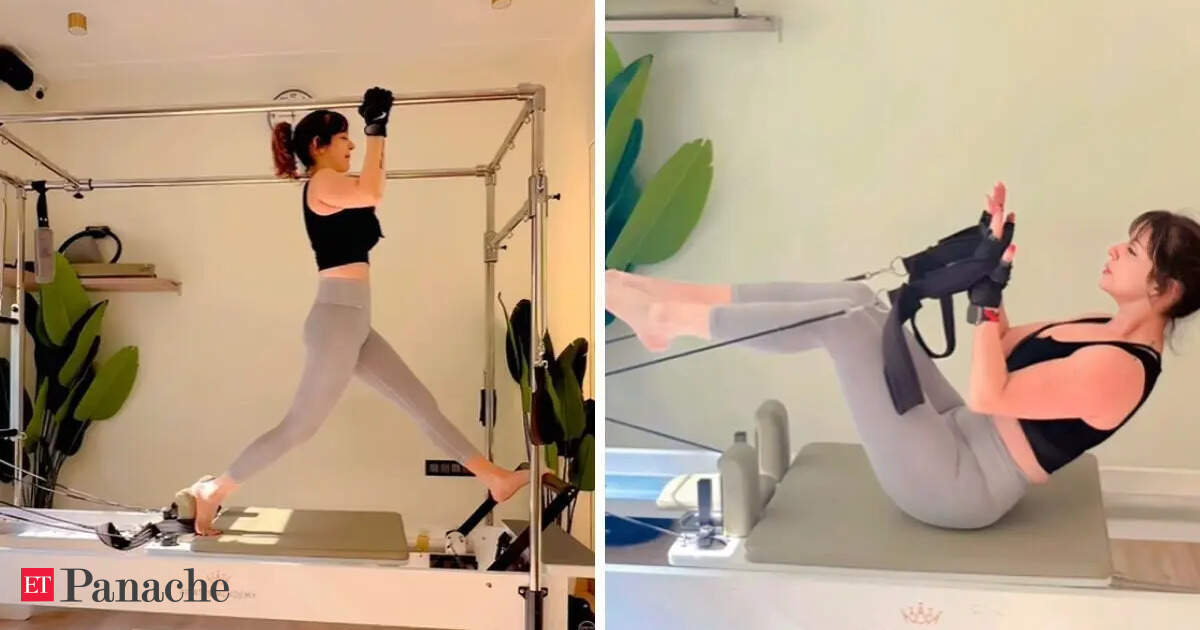
The recent public demonstration of advanced Pilates proficiency by high-profile figures serves as a tangible indicator of the shifting priorities within the consumer wellness sector. As individuals increasingly prioritize longevity and functional mobility, the commercial infrastructure supporting these activities has undergone a significant transformation. This trend transcends mere personal health goals, influencing how consumer-facing brands position their offerings to capture a demographic that is both aging and maintaining high levels of physical engagement.
The Commercialization of Functional Fitness
The pivot toward low-impact, high-intensity training methods like Pilates reflects a broader movement in the consumer cyclical space. Companies that provide specialized equipment, such as reformers, or those that operate boutique studio networks, are seeing increased demand as the barrier to entry for these modalities lowers. This shift suggests that fitness is no longer categorized solely as a youth-oriented pursuit. Instead, it is becoming a core component of long-term lifestyle management for older cohorts who possess higher discretionary spending power.
This demographic shift creates a distinct opportunity for firms that can integrate hardware, such as home-use fitness machines, with digital subscription services. The reliance on specialized equipment creates a sticky ecosystem where users are incentivized to maintain their subscriptions to access guided programming. For investors, the focus remains on whether these companies can sustain high customer acquisition costs while transitioning from a hardware-first model to a recurring revenue structure.
Sector Read-Through and Market Positioning
When evaluating companies within the consumer cyclical sector, the ability to capitalize on these wellness trends is a critical differentiator. Brands that align themselves with the aesthetic and functional requirements of the longevity-focused consumer are better positioned to command premium pricing. This is evident in the current performance metrics of firms like Amer Sports, which operates within the broader consumer cyclical landscape.
AlphaScala data currently assigns a Mixed label to AS stock page, reflecting the ongoing challenges in balancing high-end product innovation with the volatility of consumer spending patterns. While the wellness trend provides a tailwind, the sector remains sensitive to broader economic indicators that influence discretionary outlays. The integration of fitness into the daily routines of high-net-worth individuals provides a layer of stability, yet it does not insulate these companies from the realities of supply chain management and competitive saturation.
The Next Marker for Consumer Engagement
Moving forward, the primary indicator for this sector will be the upcoming quarterly earnings reports from major fitness equipment and apparel manufacturers. Specifically, investors should look for commentary regarding the retention rates of users who purchased equipment during the recent surge in home-fitness adoption. Any divergence between hardware sales and digital service engagement will provide a clearer picture of whether this wellness trend is a sustainable revenue driver or a temporary shift in consumer behavior. The ability of these firms to maintain brand loyalty through evolving fitness cycles will be the ultimate test of their long-term operational viability in the stock market analysis landscape.