Stocks● Neutral
NITI Aayog Expands Leadership With Two New Full-Time Members
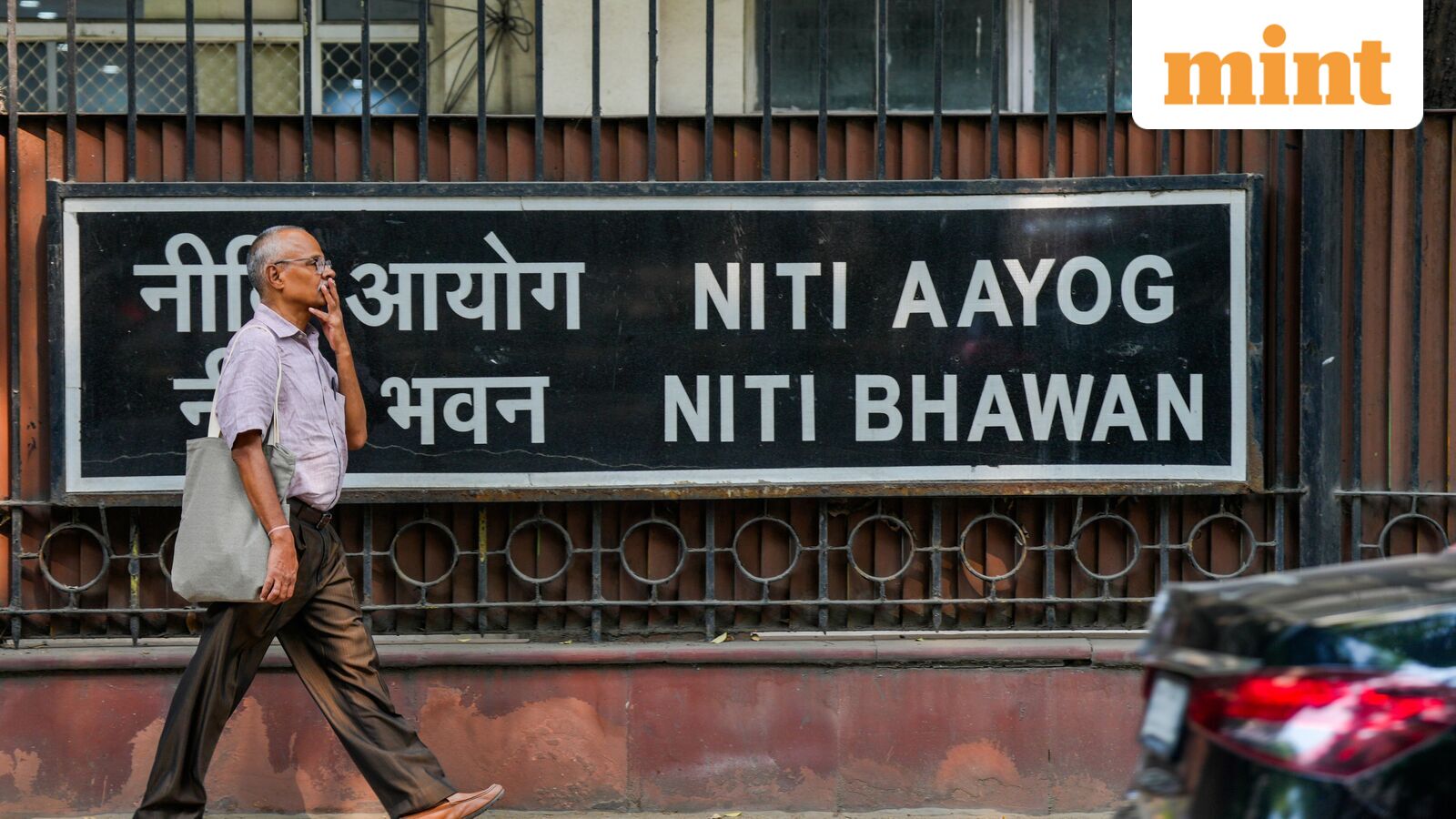
The government has expanded NITI Aayog to seven full-time members by appointing Joram Aniya and R. Balasubramaniam to lead national policy development.
Continue with
The Indian government has expanded the leadership structure of NITI Aayog by appointing Joram Aniya and R. Balasubramaniam as full-time members. This move brings the total number of full-time members at the policy think tank to seven. The appointments signal a shift in the organization's composition, integrating specialized academic and public policy expertise into its core decision-making body.
Expanding the Policy Mandate
Joram Aniya brings a background in academia to the council. She holds the distinction of being the first woman from the Nyishi community to earn a PhD, representing a focus on regional representation and educational advancement within the federal policy framework. Her inclusion suggests that the government is prioritizing diverse academic perspectives as it navigates complex social and economic development goals.
R. Balasubramaniam, a scholar and author, joins the board with a track record in public policy and social development. As the founder of several organizations, his experience is expected to influence the council's approach to grassroots implementation and civic engagement. His appointment aligns with the organization's broader objective of bridging the gap between theoretical policy design and practical, on-the-ground execution.