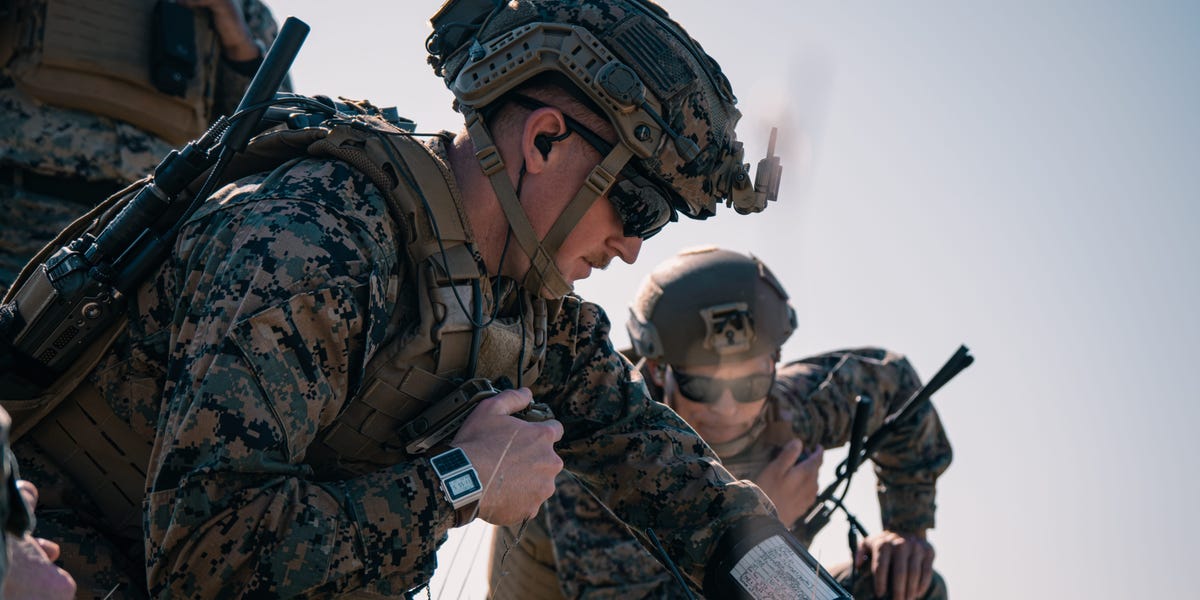
The United States Marine Corps is accelerating the formation of dedicated counter-drone units following recent training exercises that exposed critical vulnerabilities in existing defensive postures. These exercises demonstrated that even elite units face significant challenges when confronted with persistent aerial surveillance and coordinated drone strikes in high-intensity combat simulations. The shift marks a departure from traditional air defense priorities, forcing the military to reallocate resources toward mobile, rapid-response systems capable of neutralizing low-cost, high-frequency aerial threats.
Operational Gaps in Modern Combat
The struggle to contain drone activity during recent stress tests highlights a fundamental mismatch between legacy air defense infrastructure and the proliferation of inexpensive, off-the-shelf drone technology. Current defensive systems are often designed to track larger, faster aircraft, leaving a gap in the ability to detect and disable smaller, slower-moving unmanned systems. The Marine Corps is now prioritizing the integration of electronic warfare tools and kinetic interceptors at the squad level to close this coverage gap. This transition requires a rapid procurement cycle to equip infantry units with portable jammers and specialized sensors that can operate in contested environments.
Defense Sector Procurement Read-through
The urgency surrounding these counter-drone initiatives suggests a sustained increase in demand for specialized defense contractors. Companies focused on signal processing, electronic warfare, and short-range air defense systems are likely to see increased contract activity as the Department of Defense formalizes its requirements for these new teams. The shift in doctrine mirrors broader trends seen in the Pentagon Spending Disclosure Shifts Defense Sector Narrative, where agility and technological superiority in asymmetric warfare are becoming the primary drivers of budget allocation.
Investors should monitor the following areas for signs of industrial scaling:
- Development of low-cost, high-volume interceptors to counter drone swarms.
- Integration of artificial intelligence into sensor suites for automated target identification.
- Expansion of mobile electronic warfare platforms designed for expeditionary use.
AlphaScala Data and Market Context
While the defense sector remains a focal point for institutional capital, broader consumer-facing segments continue to navigate their own volatility. For instance, companies like Amer Sports, Inc. currently hold an Alpha Score of 47/100, reflecting a mixed outlook within the consumer cyclical space as detailed on the AS stock page. Unlike the defense sector, where government mandates drive spending, consumer cyclicals remain sensitive to macroeconomic shifts and discretionary income levels. This divergence underscores the importance of distinguishing between policy-driven growth in defense and demand-driven performance in the broader stock market analysis.
The next concrete marker for this narrative will be the release of the upcoming fiscal budget requests, which will clarify the scale of funding dedicated to counter-drone research and development. Observers should look for specific line items related to rapid-acquisition programs that bypass traditional, multi-year procurement timelines. These filings will indicate whether the Marine Corps' pivot is a temporary tactical adjustment or a permanent structural change in how the military manages the threat of unmanned aerial systems.