Stocks● Neutral
Mamata Banerjee Returns to Street Protests After Bengal Poll Defeat
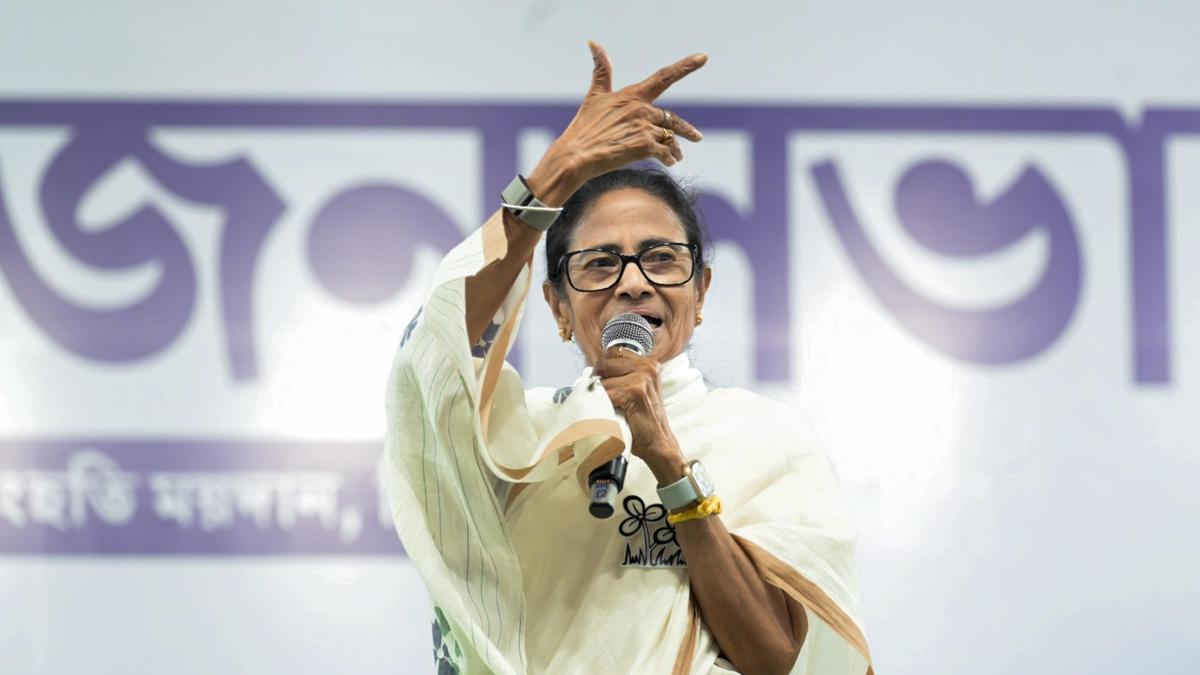
Mamata Banerjee led a Kolkata sit-in over alleged attacks on TMC workers after her nephew Abhishek was attacked in Sonarpur. She referenced a scheduled INDIA bloc meeting next week and promised a country-wide course of action.
Continue with
Mamata Banerjee Leads Sit-In Over Alleged Attacks on TMC Workers
Mamata Banerjee returned to street protests on Tuesday, staging a sit-in demonstration in Kolkata over alleged attacks on Trinamool Congress leaders and workers. The protest follows the party's massive defeat in the April Assembly elections and a specific incident last Saturday where her nephew and party general secretary Abhishek Banerjee was attacked by a mob in Sonarpur.
Banerjee addressed the crowd using a megaphone after the Kolkata Police denied permission to set up a stage or use microphones at the Esplanade's Y-channel venue. The party's request to hold the protest at adjacent Rani Rashmoni Road was also turned down.
"We will continue to fight against the BJP. I will fight or die," Banerjee said at the dharna site.
Why the Protest Matters Now
The protest marks Banerjee's first major street mobilization since the election defeat. It signals a shift back to confrontational politics after a period of organizational regrouping. The timing is critical because Banerjee referenced a scheduled INDIA bloc meeting next week in Delhi, saying "all anti-BJP parties will meet" and that the party would "soon announce our country-wide course of action."
This suggests the protest is not just about West Bengal but part of a broader opposition strategy. Banerjee is positioning herself as a national opposition figure willing to take to the streets, even as her party faces internal pressure from defections and alleged police harassment.
The Sonarpur Attack as Catalyst
The immediate trigger was the attack on Abhishek Banerjee on Saturday in Sonarpur, South 24 Parganas district. Stones, eggs, and shoes were hurled at him as he traveled on a motorbike along a narrow approach road to visit the family of a TMC worker killed in alleged post-poll violence.
Abhishek pointed to the absence of police during the incident and alleged it was a "BJP-sponsored protest." Five persons were arrested on Sunday after investigators examined video footage of the incident.