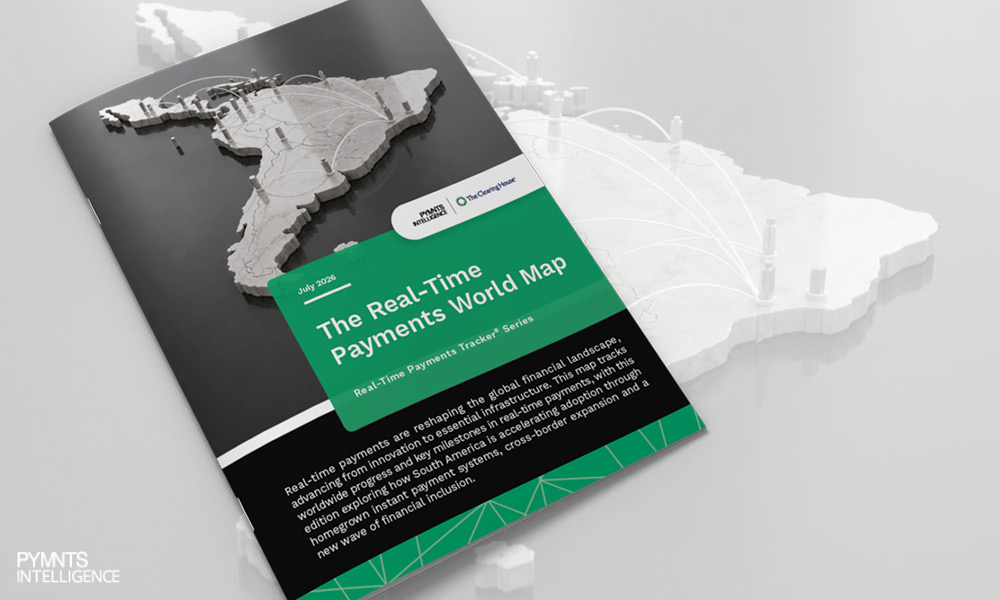
Brazil's Pix platform now handles more transactions than Visa and Mastercard combined. That milestone, reached within five years of launch, marks the most direct challenge any real-time payment system has posed to the traditional card networks. The platform counts more than 150 million active users, roughly 70% of Brazil's population.
The growth has drawn attention from Washington. The Trump administration opened a formal investigation into Pix's government backing, arguing it creates an uneven competitive field for U.S.-based networks. The Peterson Institute for International Economics frames the standoff as a contest between financial sovereignty and the interests of established global networks. The investigation itself signals that Pix is no longer a niche experiment; U.S. trade officials treat it as a threat worth litigating.
Pix's commercial reach keeps expanding. Boku went live with Pix in May, enabling account-to-account settlement for merchants in domestic and cross-border corridors. The central bank extended Pix into Argentina, giving the Brazilian diaspora there a direct payment link across the border. Each new corridor chips away at the cross-border fees that flow through Visa and Mastercard.
Colombia's Bre-B system adds another data point. It surpassed 500 million transactions and 100 million registered payment keys in just five months. ACI Worldwide projects that by 2028 real-time payments will contribute $19.3 billion in incremental GDP to Argentina. Peru and Chile would see $376 million and $740 million in additional GDP. These projections point to a trajectory where governments treat instant payments as infrastructure that increases financial inclusion and reduces reliance on foreign-owned networks.
Pix's success has brought complications. Cybercriminals target a system where completed transfers are irreversible, a feature that makes fraud recovery harder than on credit cards. Brazil's central bank is stretched thin overseeing a financial ecosystem that expanded alongside Pix and the broader fintech sector.
For Mastercard, the exposure is multilateral. The company holds an Alpha Score of 72 out of 100, a Moderate rating. The score reflects steady earnings alongside limited growth catalysts in its core business. Real-time payment systems in South America directly threaten one of Mastercard's higher-margin segments: cross-border consumer-to-business payments. If Pix's model becomes the template for other central banks across Latin America, Mastercard faces a growing share of volume that moves over a free, state-backed instant rail. The company has responded by launching its own real-time payment services in some markets. The incumbent advantage, however, belongs to the state-backed platforms that already have user bases in the hundreds of millions. Check the MA stock page for updated Alpha Score and valuation metrics as the trade probe progresses.
The immediate catalyst is the U.S. trade investigation. Any action that restricts Pix's cross-border growth or imposes tariffs on Brazilian payment services would buy time for Mastercard and Visa. A ruling that leaves Pix untouched would accelerate the regional shift. The next formal update from the USTR is expected before the end of the third quarter.
Outside the regulatory timeline, monthly Pix transaction volumes and central bank expansion announcements are the leading indicators. Every new corridor that Pix adds is one fewer set of cross-border fees that flows through the card networks. For a stock with a Moderate Alpha Score and limited near-term earnings catalysts, that slow bleed matters more than any single headline. For broader context on how real-time payments affect the card networks' competitive position, the stock market analysis section tracks sector-wide shifts in payments infrastructure.