Stocks● Neutral
Luxury Retail Exposure Amid 2026 Met Gala Event Spending
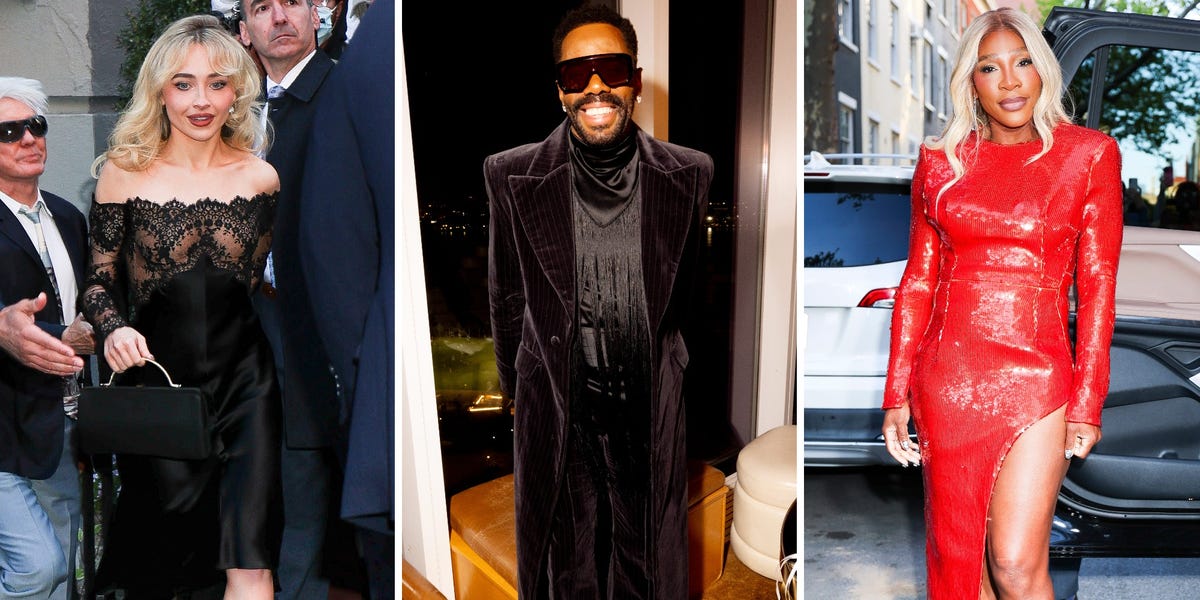
The 2026 Met Gala weekend serves as a key indicator for luxury retail demand. Monitor how high-end brand visibility translates into future revenue growth.
Continue with
The 2026 Met Gala weekend has officially commenced, shifting the focus of high-end consumer discretionary spending toward the luxury fashion and hospitality sectors. While the primary event occurs on Monday night, the preceding social calendar, including private dinners hosted by Jeff Bezos and Lauren Sánchez Bezos alongside Anna Wintour's annual gathering, serves as a concentrated period of brand visibility and capital deployment for major fashion houses.
For market observers, these events function as a high-frequency indicator of luxury demand. The visibility generated during these pre-gala celebrations often correlates with short-term sentiment shifts for luxury conglomerates. When high-net-worth individuals and celebrities converge for these high-profile gatherings, the associated marketing spend and social media engagement metrics provide a tangible, albeit qualitative, look at the health of the luxury sector. This period acts as a litmus test for brand resonance in a market where consumer discretionary spending faces pressure from broader macroeconomic headwinds.
Luxury Brand Positioning and Market Visibility
The strategic importance of the Met Gala for luxury brands lies in the conversion of cultural capital into retail sales. As celebrities showcase specific designers during these pre-gala parties, the immediate impact on search volume and social media sentiment can be significant. Investors should distinguish between the noise of celebrity fashion and the underlying revenue drivers for these firms. A brand that secures a high-profile placement during this weekend often sees a measurable uptick in digital traffic, which can be a leading indicator for quarterly sales performance in the luxury segment.