Commodities● Neutral
Brent Crude Surges 5% on Stalled US-Iran Peace Negotiations
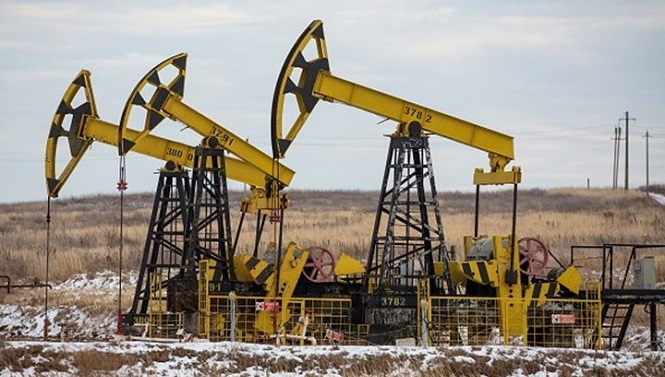
Brent crude jumped 4.9% to $113.56 as stalled US-Iran peace talks keep supply risks elevated. Traders are weighing OPEC+ production hikes against transit fears.
Continue with
Brent crude futures for July delivery climbed 4.9% to reach $113.56 per barrel, a move driven by the persistent lack of a formal peace agreement between the United States and Iran. While President Donald Trump recently signaled efforts to assist vessels navigating the Strait of Hormuz, the market continues to price in the geopolitical risk associated with this critical maritime chokepoint. The rise in prices reflects a broader skepticism regarding the stability of regional transit routes, as traders prioritize the risk of supply disruption over diplomatic overtures.
Production Adjustments and OPEC+ Supply Constraints
The supply side remains constrained despite recent policy shifts from the OPEC+ coalition. On Sunday, the group announced a production increase of 188,000 barrels per day for June, targeting seven specific member countries. This marks the third consecutive month of incremental output growth. However, the market reaction suggests that these modest additions are insufficient to offset the perceived threat to global energy security. When production increases fail to dampen price volatility, it often indicates that the market is more concerned with the physical availability of barrels in the event of a regional blockade than with the theoretical capacity of producers to pump more oil.