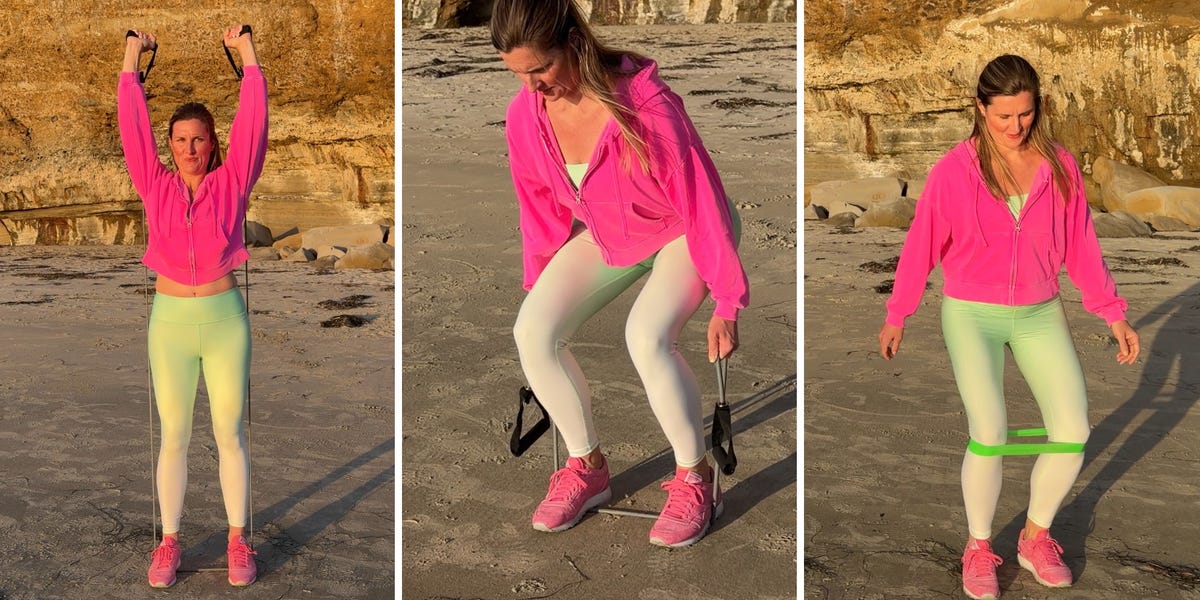
A widely circulated guide distilling advice from longevity experts has put a spotlight on six exercises that target the legs, glutes, back, core, arms, and shoulders. Each movement can be performed at home with minimal equipment. The guide’s emphasis on at-home accessibility arrives as the home fitness market searches for a new demand driver following a post-pandemic normalization.
The Longevity Exercise Guide and the At-Home Angle
The guide does not name any specific company. Its value for the fitness industry lies in the mechanism it could trigger. Longevity researchers argue that strength and stability training is more effective than any supplement for healthy aging. The six exercises include:
- Legs: squats, lunges
- Glutes: hip thrusts, bridges
- Back: rows, pull-downs
- Core: planks, dead bugs
- Arms: push-ups, tricep dips
- Shoulders: overhead presses, lateral raises
All of these can be executed with resistance bands, dumbbells, or body weight in a living room. That at-home compatibility is the critical link to publicly traded fitness companies. During the pandemic, Peloton Interactive (PTON) and Nautilus Inc. (NLS) saw explosive demand as consumers built home gyms. That demand has since cooled, and both stocks have struggled. A renewed consumer focus on longevity-driven home exercise could shift engagement metrics for these platforms.
Peloton, Nautilus, and the Equipment Ecosystem
Peloton remains the most visible connected fitness name. Its bikes and treadmills integrate live and on-demand classes, and its app offers strength and yoga sessions that align with the longevity trend. The company has faced inventory and subscription challenges. Any uptick in consumer interest around at-home strength training could boost app engagement and reduce churn.
Nautilus sells home gym systems, free weights, and cardio machines under the Bowflex and Schwinn brands. Its JRNY adaptive fitness platform provides guided workouts that could directly benefit from a surge in longevity-focused exercise routines. Nautilus shares have been under pressure, and a catalyst tied to the aging population’s fitness needs might shift sentiment.
Lululemon Athletica (LULU) entered the home fitness space with its Mirror device, a reflective screen that streams workouts. The Mirror’s library includes strength, yoga, and Pilates classes targeting the same muscle groups highlighted in the longevity guide. Lululemon’s core apparel business also stands to gain if more consumers adopt at-home exercise habits and refresh their workout wardrobes.
Nike (NKE) does not sell equipment. Its training apparel and digital platforms like Nike Training Club offer bodyweight and minimal-equipment workouts. A cultural shift toward longevity exercise could increase demand for Nike’s training shoes and apparel, particularly among older demographics seeking functional fitness.
No analyst has yet linked the guide to any of these stocks. The longevity trend itself is a long-term secular driver. The global population is aging, and the message that exercise can slow biological aging is gaining traction. Home fitness companies that position their products as tools for healthy aging may capture a new wave of demand.
Search Trends as the Next Signal
The immediate decision point for investors is whether the guide translates into measurable consumer behavior. Google Trends data for terms like “longevity exercises at home” or “home strength training for seniors” could serve as an early indicator. Rising search interest would suggest the narrative is moving from a niche longevity discussion to a broader consumer consideration. That shift, if it materializes, would be the signal that the stocks mentioned could begin to reflect the narrative. Investors can track these developments through stock market analysis platforms and broker research. Those looking to position in home fitness names may want to review best stock brokers for execution.