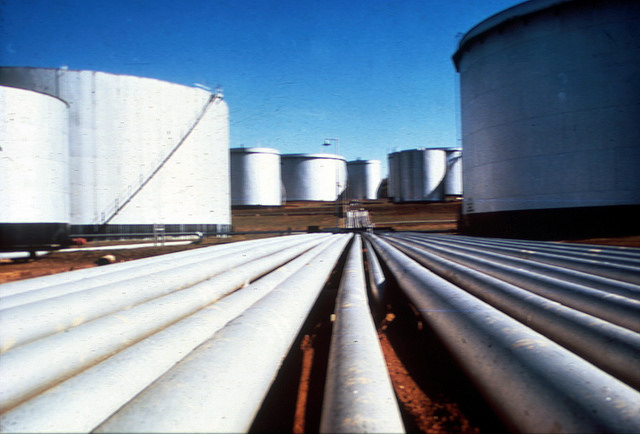
The potential public offering of SpaceX has shifted investor focus toward the specialized supply chains required for orbital launch operations. Linde plc (NASDAQ:LIN) has emerged as a focal point in this narrative due to its extensive infrastructure for producing and distributing liquid oxygen and liquid nitrogen. These industrial gases serve as essential components for modern rocket propellant systems. While the company maintains a broad industrial footprint, its capacity to scale high-purity gas production positions it as a structural beneficiary of increased launch cadence across the aerospace sector.
Industrial Gas Scaling and Aerospace Demand
Linde operates as a primary supplier for heavy industry, but the aerospace vertical represents a high-barrier-to-entry niche. The technical requirements for rocket-grade propellants necessitate rigorous purity standards and logistical precision that align with the company's existing operational model. As launch providers seek to increase flight frequency, the demand for reliable, large-scale gas delivery systems becomes a critical constraint. Linde’s ability to integrate these supply chains into its global network provides a layer of stability that differentiates it from smaller, localized gas providers.
This positioning is particularly relevant as the broader aerospace market moves toward standardized fuel requirements. By leveraging its existing production facilities, Linde can support the expansion of launch sites without the capital intensity associated with building proprietary gas infrastructure from the ground up. This efficiency is a key factor for investors analyzing the company's role in the evolving space economy.
Valuation and Market Positioning
Linde currently holds an Alpha Score of 49/100, reflecting a mixed outlook as the company balances its traditional industrial gas business with emerging high-growth sectors. Investors evaluating the LIN stock page should consider how the company’s valuation metrics account for its role in specialized industrial applications. While the aerospace segment remains a fraction of total revenue, the potential for long-term supply contracts with major launch providers could influence future margin profiles.
Market participants are currently assessing how industrial gas leaders maintain pricing power amidst fluctuating energy costs. The company's ability to pass through these costs while maintaining service levels for sensitive aerospace clients will be a primary indicator of its competitive durability. For further context on how industrial gas leaders are navigating current market cycles, see Linde plc Valuation Adjustments and Industrial Gas Market Positioning.
The Path to Operational Integration
The next concrete marker for this narrative will be the formalization of launch-site supply agreements following any potential movement toward a SpaceX public listing. Investors should monitor future filings for disclosures regarding new long-term contracts with aerospace entities, as these will serve as the primary evidence of the company’s success in capturing this specific demand. The transition from speculative supply chain involvement to confirmed, multi-year service agreements will be the definitive catalyst for re-rating the company’s aerospace-related growth prospects. As the launch industry matures, the focus will shift from the capability to supply gases to the profitability of these specific, high-volume delivery contracts.