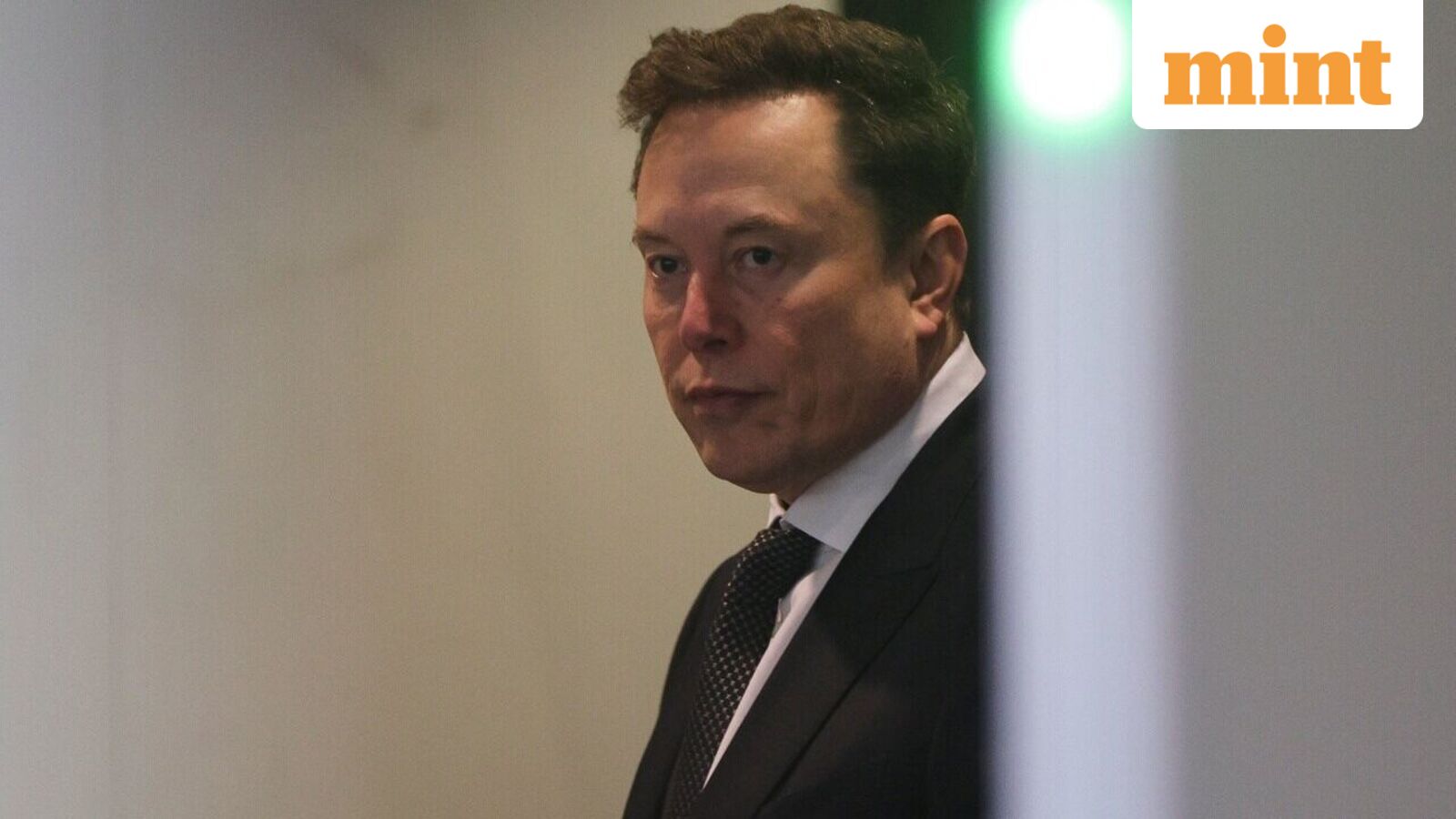
SpaceX, Elon Musk's rocket and satellite company, is targeting a stock market debut as early as June 12 on the Nasdaq, according to Reuters. The company is seeking a valuation of roughly $1.75 trillion and plans to raise about $75 billion, which would make it the largest IPO in history. The accelerated timeline, driven by a faster SEC review, has shifted the narrative for the broader IPO market, the investment banks underwriting the deal, and the exchange that won the listing.
This article breaks down the concrete implications for the underwriters, the exchange landscape, and the valuation mechanics that traders should track.
SpaceX IPO Timeline and Valuation Mechanics
The listing is moving faster than expected. Sources told Reuters that SpaceX initially planned to go public later in June. A quicker SEC review process pushed the date forward. The company could make its IPO prospectus public as early as next Wednesday, with an investor roadshow reportedly starting June 4.
The $1.75 Trillion Valuation Target
The targeted valuation is up from roughly $1.25 trillion assigned earlier this year after SpaceX merged with Musk's AI startup xAI. The jump reflects investor enthusiasm for Starlink, the satellite internet business that now serves millions of users globally. Reuters noted that Starlink's rapid expansion is a primary driver of the soaring valuation.
Ticker Symbol and Listing Details
SpaceX is expected to use the ticker SPCX, which previously belonged to a SPAC-focused ETF before being changed earlier this year. The ticker change had already triggered speculation about SpaceX's listing plans. The company has selected Nasdaq over the New York Stock Exchange, a significant win for Nasdaq in the competition for large technology IPOs.
The Underwriter Read-Through: Fee Revenue Impact
The IPO is being led by a syndicate of major banks: Morgan Stanley, Goldman Sachs, JPMorgan Chase, Citigroup, and Bank of America, alongside several other financial firms. For traders, the question is whether the fee revenue from this deal moves the needle for these banks.
Fee Revenue Estimates
A $75 billion raise at a typical underwriting fee of 2-3% would generate $1.5 billion to $2.25 billion in gross fees. The lead bookrunners will split the largest share. For context, Goldman Sachs reported $46.3 billion in total revenue in 2024. A $300-400 million fee share would represent less than 1% of revenue. The impact is more meaningful for the investment banking divisions, which have been under pressure from a multi-year IPO drought.
AlphaScala Proprietary Data on the Lead Banks
All three carry Mixed labels on AlphaScala, meaning the risk-reward is not clearly skewed. The SpaceX IPO is a positive catalyst for their investment banking pipelines. It is a single event in a broader environment where deal flow remains selective.
Which Bank Has the Most to Gain?
- Goldman Sachs has the strongest brand in tech underwriting and is likely the lead left bookrunner. Its investment banking fees were $6.2 billion in 2024. A SpaceX fee could add 5-7% to that line.
- JPMorgan and Morgan Stanley are also top-tier tech underwriters. JPMorgan's stock is down 0.70% today. The IPO news may provide a floor.
- Bank of America and Citigroup are less dominant in tech IPOs. They benefit from syndicate participation.
Nasdaq's Competitive Win and Exchange Dynamics
SpaceX choosing Nasdaq over the NYSE is a competitive victory. Nasdaq has been aggressively courting high-profile tech listings, especially after losing some large IPOs to the NYSE in recent years. The listing could attract other private space and AI companies to consider Nasdaq.
What This Means for Exchange Operators
Nasdaq's parent company, Nasdaq Inc., generates revenue from listing fees, market data, and trading services. A $1.75 trillion market cap company listing adds recurring annual listing fees (about $500,000 per year for a company of that size) and increases trading volume on the exchange. The direct revenue impact is small relative to Nasdaq's $6.5 billion in annual revenue.
Risks to the Timeline
- The SEC review could still raise questions about SpaceX's financial disclosures, especially given the complex structure involving Starlink and the xAI merger.
- Market volatility between now and June 12 could push the pricing lower. The Nasdaq Composite has rallied 25.9% from its March 30 low, a fragile setup that could reverse if macro conditions shift. See our analysis: Nasdaq's 25.9% Rally From March 30 Low: A Fragile Setup.
- Elon Musk's public statements and regulatory scrutiny around his other companies (Tesla, X) could create headline risk.
What Confirms or Weakens the Thesis
Confirmation signals:
- The prospectus is published next Wednesday as expected.
- The investor roadshow on June 4 generates strong demand, leading to an upsized offering or a price range above the midpoint.
- Other private space companies (e.g., Rocket Lab, Planet Labs) see their stocks rally on the read-through.
Weakening signals:
- The SEC delays the prospectus release.
- Musk makes controversial statements that spook institutional investors.
- The broader IPO market remains cold, with other large deals pulling back.
The Bottom Line for Traders
SpaceX's IPO is a landmark event. The direct financial impact on the lead underwriters is modest. The bigger read-through is for the IPO market's reopening and for Nasdaq's competitive positioning. Traders should watch the prospectus release and roadshow feedback as the next concrete catalysts. For those holding BAC, GS, or JPM, this deal is a positive. It is not a game-changer. The Alpha Scores of 51-54 reflect that the stocks are fairly valued with no clear edge.
For more on the broader market context, see our market analysis and stock market analysis. Individual stock pages for the lead underwriters: BAC, GS, JPM.