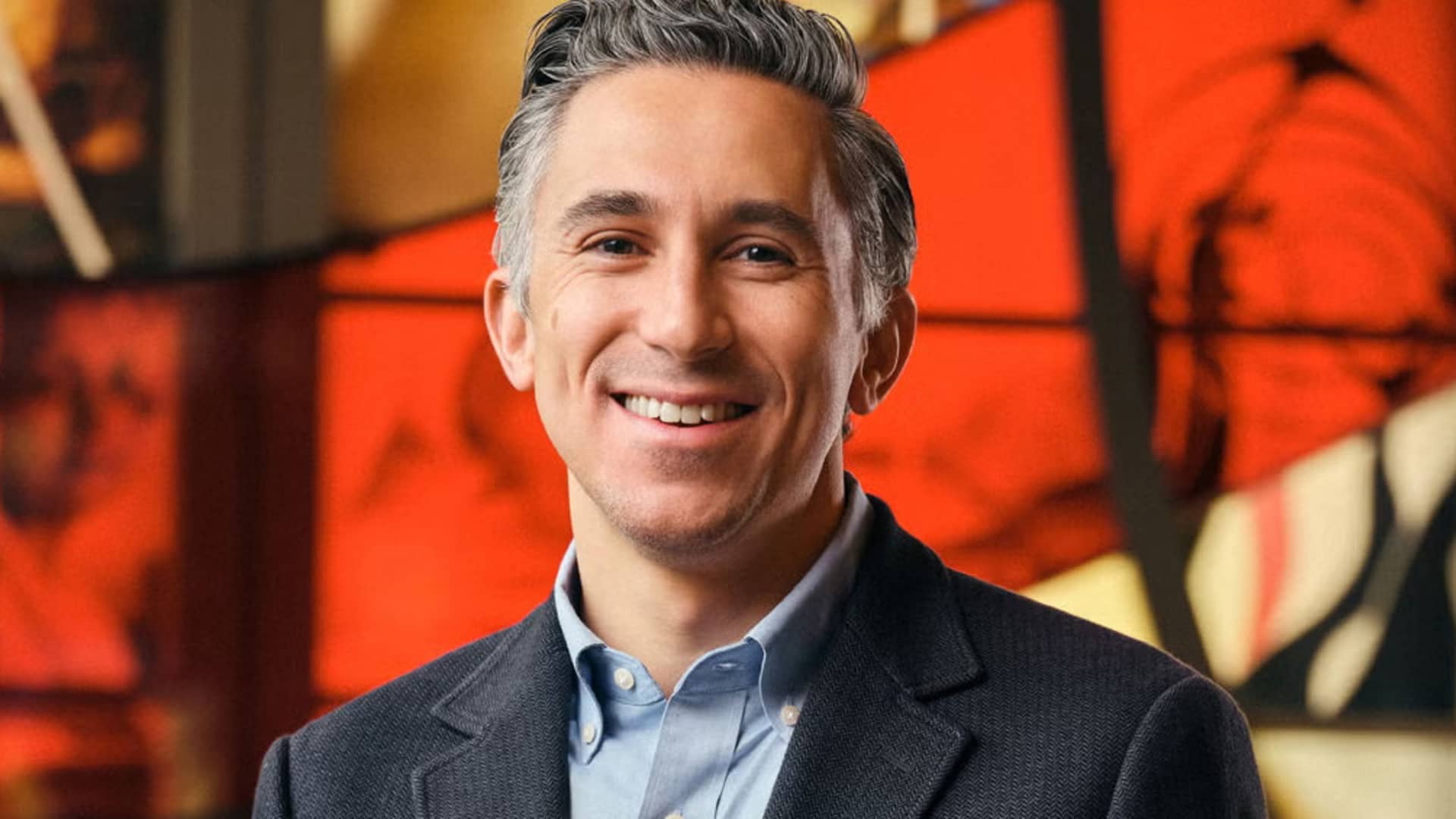
Eli Lilly is not done buying. The drugmaker's top dealmaker, Jacob Van Naarden, said the company is actively looking at acquisitions that do not fit neatly into its existing four therapeutic buckets – oncology, neuroscience, cardiometabolic health and immunology. The message from the American Society of Clinical Oncology meeting is direct: expect deals in new disease areas.
Van Naarden, who now runs both Lilly's oncology business and its business development unit, said the company's financial strength, driven by its GLP-1 weight loss drugs Mounjaro and Zepbound, creates what he called a "generational opportunity" to redeploy capital. Lilly has already announced eight acquisitions this year, with upfront payments exceeding $10 billion and total potential value reaching $25 billion. That compares with about $4 billion spent on roughly 40 deals in all of 2024.
The Shift From Early-Stage Bets to Larger, Later-Stage Deals
Lilly historically favored inexpensive, early-stage assets that carried higher risk. That approach is changing. The company now has the balance sheet to pursue experimental drugs with a higher probability of success – and the larger price tags that come with them.
Why the strategy changed
Van Naarden said CEO Dave Ricks approached him last fall about sharpening Lilly's dealmaking. The mandate was to widen the aperture beyond early bets. The result is a pipeline of acquisitions that include later-stage assets where the science is more visible.
"You can see enough to say OK, this is real, and we can underwrite paying a bigger price than we pay for some real preclinical thing," Van Naarden said in an interview at his Stamford, Connecticut office.
The Centessa deal as a template
Lilly's planned acquisition of Centessa Pharmaceuticals, announced in March, could reach $7.8 billion if milestones are met. The deal targets experimental drugs for sleep disorders including narcolepsy. That would make it Lilly's second-largest acquisition ever, behind the $8 billion purchase of Loxo Oncology in 2019 – a deal Van Naarden worked on as Loxo's chief operating officer.
Van Naarden said he does not want to set arbitrary size limits on deals. The decision hinges on the science and the patient opportunity, not a dollar ceiling.
New Territory: Vaccines and Beyond
Some of this year's deals fall within Lilly's established specialties. Others do not. The company recently announced acquisitions of three vaccine companies, moving into an area where Lilly has no existing commercial presence.
What Van Naarden said
"We're looking at all kinds of things that don't neatly fit into one of those four buckets, so don't be surprised if we have more to come for things that don't perhaps neatly fit within what we've done historically," Van Naarden said at ASCO. "If you see it, it means we're excited, and we think we can make a big impact."
What is off the table?
Van Naarden did not rule out any specific therapeutic area. The framing suggests Lilly is willing to enter entirely new disease categories if the science and market opportunity align. That is a meaningful departure from the company's historical focus on a defined set of specialties.
The Financial Context: A Trillion-Dollar Balance Sheet
Lilly's market capitalization now stands at about $1 trillion, up from $190 billion in 2021, according to LSEG data. It is the first health-care company to reach that threshold, a club dominated by technology firms.
How the math works
- 2024 deal spend: about $4 billion across roughly 40 deals
- 2025 year-to-date deal spend: more than $10 billion upfront, up to $25 billion total, across eight acquisitions
- Market cap growth: from $190 billion (2021) to roughly $1 trillion (2025)
The scale of the balance sheet changes the deal calculus. A $7 billion to $8 billion acquisition is still small relative to deals by other large pharmaceutical companies. For Lilly, it is now within routine reach.
What This Means for the Sector
Lilly's aggressive dealmaking has implications for biotech valuations and M&A activity across the health-care sector.
Read-through for biotech
Companies with later-stage assets in neuroscience, immunology, and infectious disease – areas where Lilly has signaled interest – may see increased bid speculation. The willingness to pay larger upfront sums for de-risked programs could compress the discount between early- and late-stage biotech valuations.
Competitive pressure
Lilly's move into vaccines puts it in closer competition with Pfizer, Moderna, and GSK. The company's trillion-dollar market cap gives it a funding advantage that smaller vaccine specialists cannot match.
Risk to Watch: Integration and Pipeline Execution
The strategy carries execution risk. Lilly is absorbing eight acquisitions in a single year while simultaneously expanding into new therapeutic categories. Van Naarden acknowledged that the development timelines and approval paths for some of these assets are not fully known.
"These things are medicines. How big will they be? What's the development plan? When will they get approved? I don't yet know all that," he said.
Key insight: The deals that look most attractive on paper – later-stage assets with clearer regulatory paths – also carry the highest acquisition premiums. If those programs fail in late-stage trials, the write-offs will be larger than the early-stage bets Lilly used to make.
The Next Decision Point
Investors should watch for:
- Integration updates on the three vaccine company acquisitions and the Centessa deal
- Pipeline readouts from acquired programs, particularly in sleep disorders and vaccines
- Deal pace in the second half of 2025 – whether Lilly maintains the current cadence or slows to integrate
- Capital allocation signals from future earnings calls, including any changes to the share buyback or dividend strategy
Lilly's dealmaking shift is not a one-quarter event. It reflects a structural change in how the company allocates its GLP-1 windfall. The next 12 to 18 months will show whether that capital is deployed effectively or whether the pace outruns the company's integration capacity.