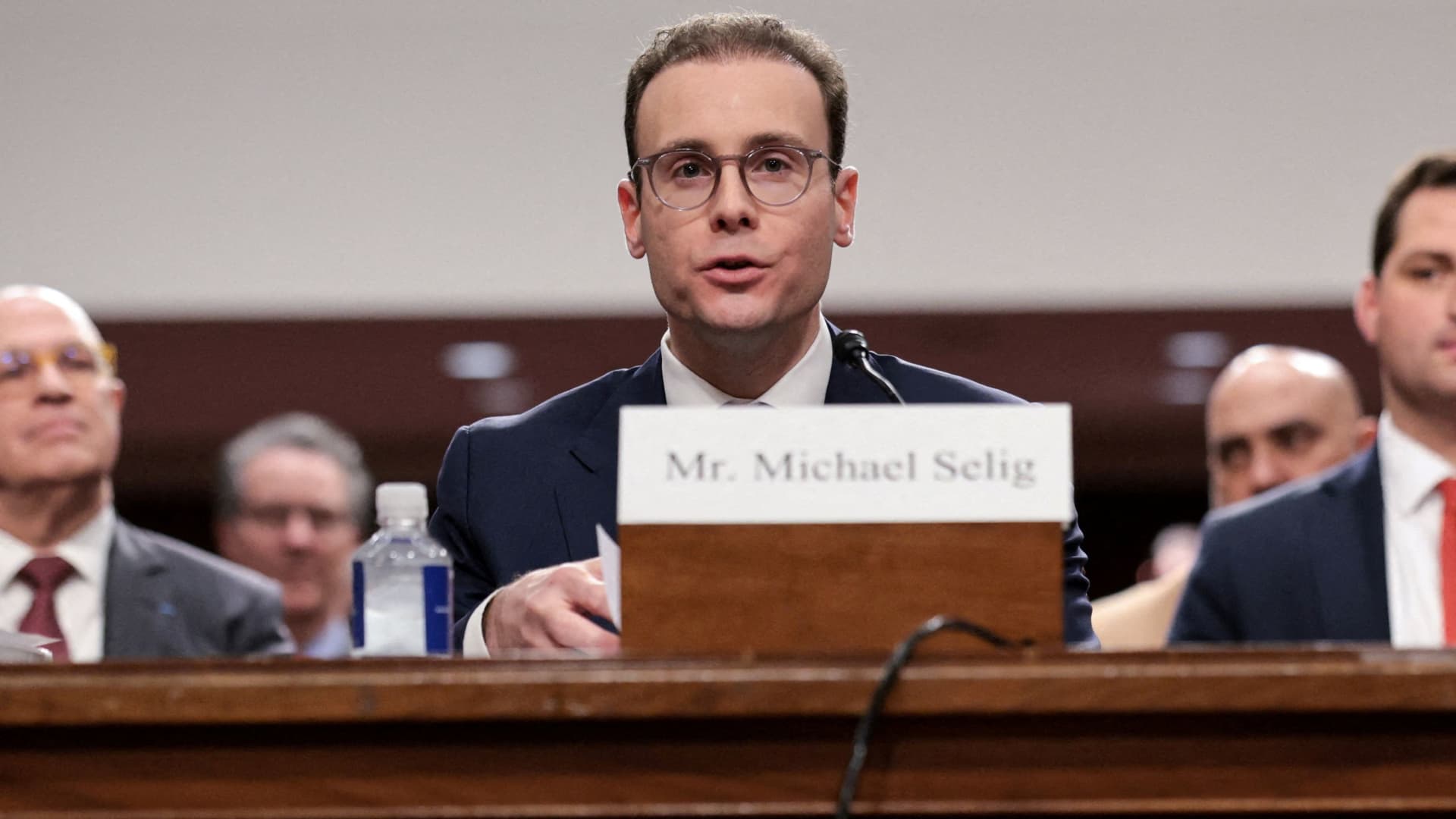
A group of Democratic senators has formally petitioned the Commodity Futures Trading Commission to tighten oversight of prediction markets, specifically targeting platforms that facilitate wagering on political outcomes and sports. The letter, led by Senator Jeff Merkley, argues that these event contracts introduce systemic risks to the integrity of democratic processes and increase the potential for market manipulation. This push arrives as the commission navigates a transition in leadership, with the nomination of Michael Selig to chair the agency currently under review by the Senate Agriculture Committee.
Regulatory Scrutiny of Event Contracts
The core of the legislative concern centers on the classification of event contracts as commodity futures. Platforms such as Kalshi and Polymarket have expanded their offerings to include binary options on election results, which critics argue fall outside the traditional scope of hedging instruments intended for commercial risk management. The senators are requesting that the CFTC exercise its authority to prohibit contracts that they deem contrary to the public interest. This includes concerns regarding the potential for insider trading, as participants with non-public information could theoretically exploit these platforms to profit from political or social developments.
If the CFTC adopts a more restrictive stance, the operational model for these prediction markets faces significant disruption. The agency must balance its mandate to foster innovation in derivatives markets against the political pressure to prevent the gamification of civic events. The outcome of this regulatory review will likely determine whether event contracts remain a niche financial product or are curtailed entirely to prevent perceived threats to institutional stability.
Sectoral Impact and Market Integrity
The debate over prediction markets highlights a broader tension between emerging fintech platforms and established regulatory frameworks. While proponents of these markets suggest they provide valuable data points for forecasting, the legislative push signals a growing discomfort with the intersection of speculative betting and public policy. This development has implications for the stock market analysis of companies involved in financial technology and data analytics, as the regulatory environment for alternative trading venues becomes increasingly volatile.
AlphaScala currently tracks various sectors for shifts in sentiment and regulatory risk. For instance, companies like Realty Income Corporation O stock page maintain an Alpha Score of 55/100, reflecting a mixed outlook as they navigate broader real estate market conditions. Similarly, Amer Sports, Inc. AS stock page holds an Alpha Score of 47/100, indicating that sector-specific pressures remain a key variable for investors.
The Path Toward Regulatory Clarification
The next concrete marker for this issue will be the confirmation hearings for the new CFTC leadership and any subsequent formal rulemaking proposals issued by the commission. Investors should monitor whether the agency releases a notice of proposed rulemaking that specifically addresses the scope of event contracts. Such a filing would provide the first clear indication of how the commission intends to reconcile the demand for these markets with the concerns raised by lawmakers. Until the commission issues a formal policy shift, these platforms will continue to operate under a cloud of legislative uncertainty that could influence future capital allocation and platform development.