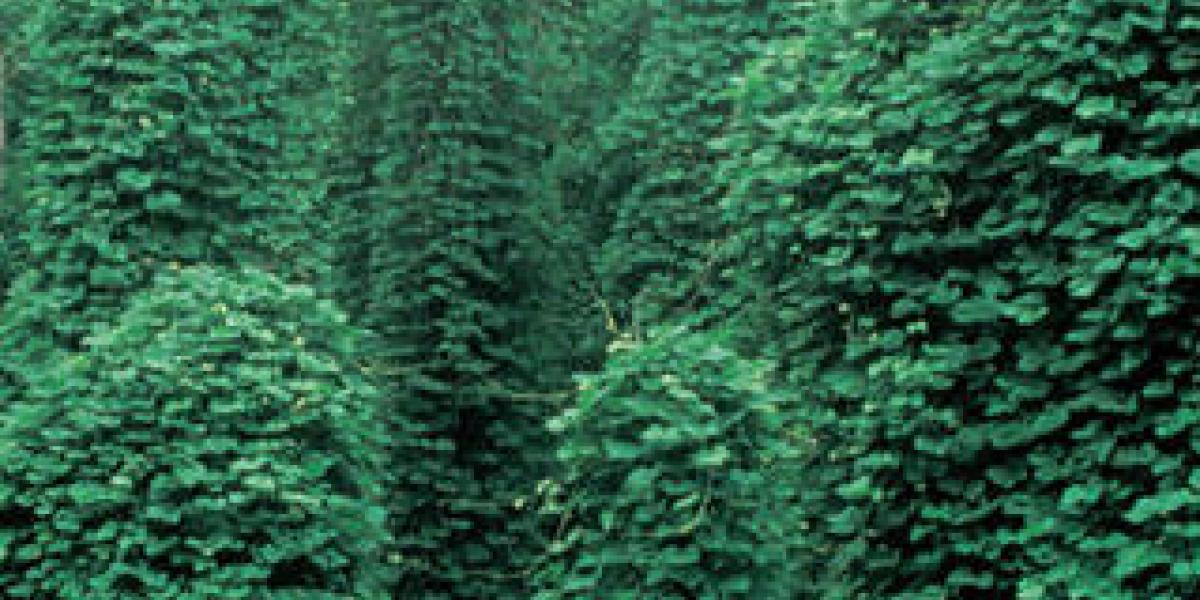
In the 1930s, the USDA promoted kudzu as a solution to soil erosion. The government paid farmers $8 an acre to plant it. The Civilian Conservation Corps planted nearly 100 million plants. Today, kudzu covers an estimated 10 million acres across the Southeast, according to mainstream media reports. Government estimates put the number lower, closer to a quarter million acres.
The simple read: a well-intentioned program created a monster. The better read: top-down government fixes ignore second-order effects. The program paid farmers for planting, not for managing. Kudzu spread along government-built rights-of-way for roads and power lines. It swallowed farmland, trees, and abandoned structures.
The exposure is broad. Farmers lost productive land. Utilities face higher maintenance costs for power lines buried under kudzu. For Southern Company (SO, Alpha Score 51), kudzu-covered rights-of-way raise wildfire risk and trimming expenses. The stock page is here.
The timeline stretches from the 1930s to today. The government spent decades and millions on chemical eradication. None of it worked. The solutions were too expensive or impractical.
What reduces the risk? Market-based approaches. Herds of goats eat the kudzu, draining the root stock. The goats are rented out. The meat feeds working-class families. It is bottom-up, cost-constrained, and effective.
What makes it worse? More top-down programs. The USDA and Interior Department have the expertise and funding but lack the profit motive to find real solutions. The plant keeps spreading.
The lesson for investors: government intervention can create long-tail liabilities. Kudzu is one example. The same pattern repeats in other sectors. Watch for programs that promise quick fixes but ignore second-order effects.
The goat-grazing approach now operates in several states. No federal program has matched its cost-effectiveness.