Kraig Biocraft Scales Spider Silk Output to 1.8 Metric Tons
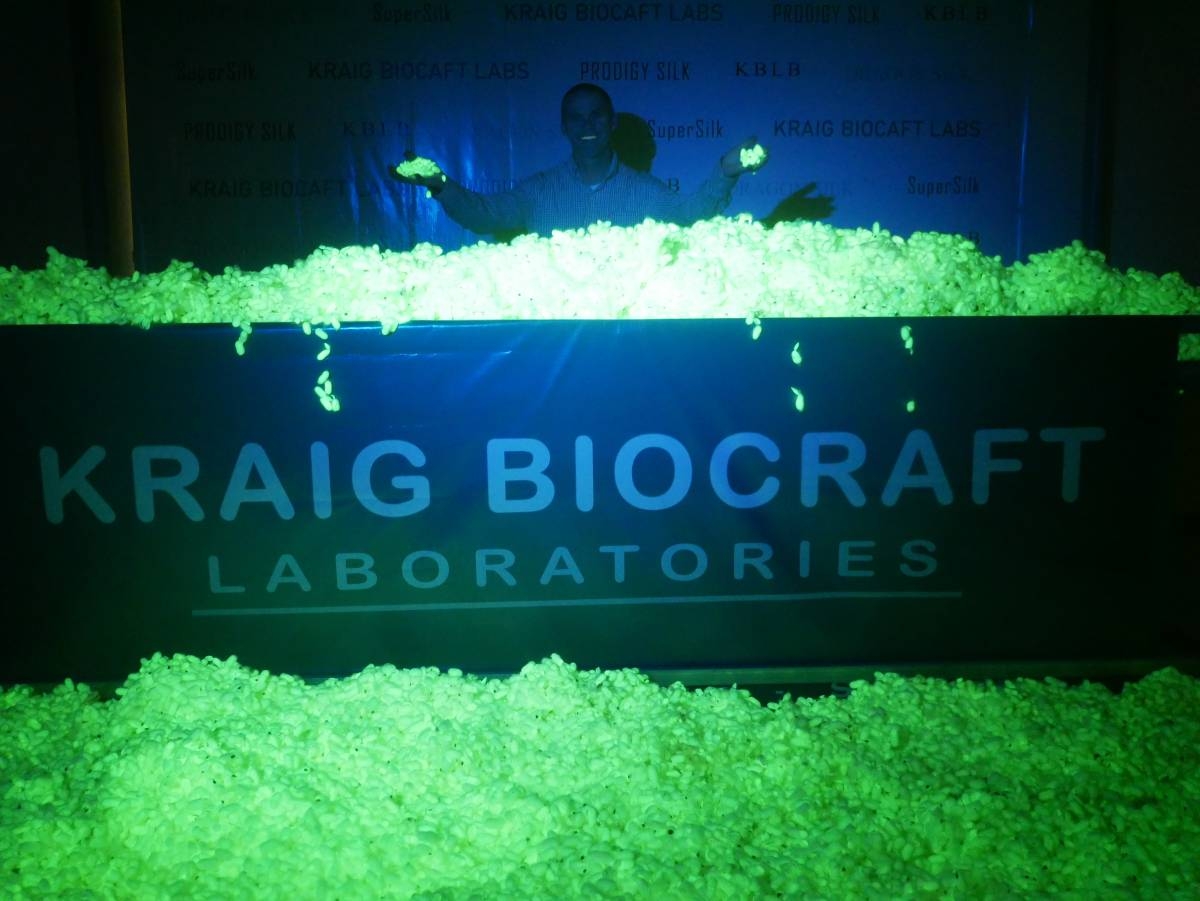
Processing 1.8 metric tons of cocoons tests the firm's industrial capacity. Final yield data will determine if the production model supports commercial scale.
Alpha Score of 55 reflects moderate overall profile with moderate momentum, moderate value, moderate quality. Based on 3 of 4 signals — score is capped at 90 until remaining data ingests.
Kraig Biocraft Laboratories has initiated the processing of 1.8 metric tons of recombinant spider silk cocoons into finished reeled silk. This transition from raw cocoon output to refined material represents a shift in the company's operational focus toward high-volume production. The ability to process this quantity of material serves as a test for the company's current infrastructure and its capacity to meet potential industrial demand for high-performance fibers.
Operational Scaling and Material Throughput
The move to process 1.8 metric tons of cocoons marks a significant increase in the company's throughput capabilities. By moving from experimental production levels to a metric-ton scale, the company is attempting to validate the scalability of its proprietary spider silk technology. This phase is intended to convert biological output into a standardized, commercially viable product format. The success of this processing cycle will likely determine the company's ability to maintain a consistent supply chain for future textile or industrial partnerships.
For those tracking the evolution of biotechnology in materials science, this development provides a tangible metric for assessing production efficiency. The transition from Kraig Biocraft Laboratories Hits Record Production Milestone for Spider Silk to active material processing indicates that the company is moving past the initial cultivation hurdles. The focus now rests on the yield and quality of the reeled silk produced from this specific batch.
Sector Read-Through and Industrial Application
The broader materials sector is increasingly looking toward bio-engineered alternatives to traditional synthetic fibers. If Kraig Biocraft can demonstrate consistent quality at this scale, it may influence the adoption curve for recombinant proteins in high-performance textile applications. The company's progress is part of a larger trend where stock market analysis increasingly accounts for the integration of synthetic biology into manufacturing supply chains.
AlphaScala currently maintains a moderate outlook on the broader healthcare and biotech-adjacent sector, as evidenced by our coverage of firms like Agilent Technologies, Inc., which holds an Alpha Score of 55/100. While Agilent operates in a different segment of the life sciences industry, the underlying demand for precision instrumentation and high-throughput processing remains a common thread across the sector.
Next Steps for Production Validation
The immediate path forward involves the completion of the reeling process and the subsequent quality assessment of the finished silk. Investors and industry observers should look for follow-up disclosures regarding the final yield percentage and the mechanical properties of the processed fiber. These figures will serve as the primary indicators of whether the company's current production model can support long-term commercial integration. The next concrete marker will be the company's report on the final volume of reeled silk recovered from this 1.8-metric-ton batch, which will provide the first real-world data point on their conversion efficiency.
Drafted by a large language model from the source reporting linked above, then screened by automated publishing checks. It is not read by a journalist before publication. Some articles cite our Alpha Score. Verify prices and figures against the original source. Educational coverage, not personalized advice.