Earnings Growth Drivers
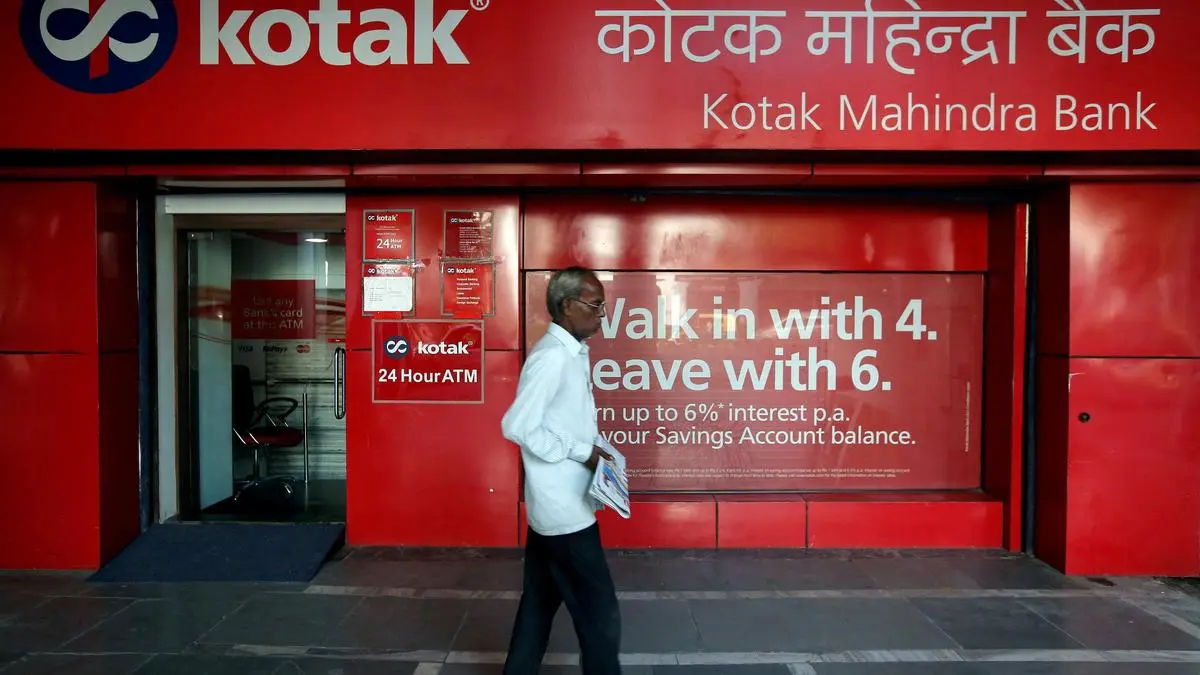
Kotak Mahindra Bank reported a 13 percent year-on-year increase in standalone net profit for the fourth quarter of fiscal year 2026, reaching ₹4,027 crore. This performance was primarily supported by a rise in net interest income alongside a strategic reduction in provisions. The bank maintained a focus on core lending activities, which allowed for consistent margin expansion throughout the period.
Sectoral Context and Performance
Financial institutions in the current environment face pressure to balance loan growth with asset quality. By lowering provisions, the bank signaled confidence in its current loan book stability. This approach to risk management remains a key factor for investors tracking the KMB stock page as the firm navigates shifting interest rate cycles. The ability to sustain double-digit profit growth while managing operational costs is a critical metric for the broader banking sector.
AlphaScala Data Insights
Our current analysis for Kimberly-Clark Corporation (KMB) reflects an Alpha Score of 36/100, placing the stock in the Mixed category. While the ticker symbol for this consumer staples firm shares the same acronym as the bank, the underlying sector dynamics differ significantly. Investors should distinguish between the banking-specific growth drivers seen in this quarter and the broader consumer staples trends currently impacting the market.
Next Catalyst Path
Looking ahead, the market will focus on the bank's guidance regarding credit growth targets and net interest margin sustainability for the upcoming fiscal year. Any changes in regulatory capital requirements or shifts in the central bank's monetary policy stance will likely serve as the next major catalyst for the share price. Investors should monitor the upcoming annual report for detailed commentary on asset quality trends and loan book composition.