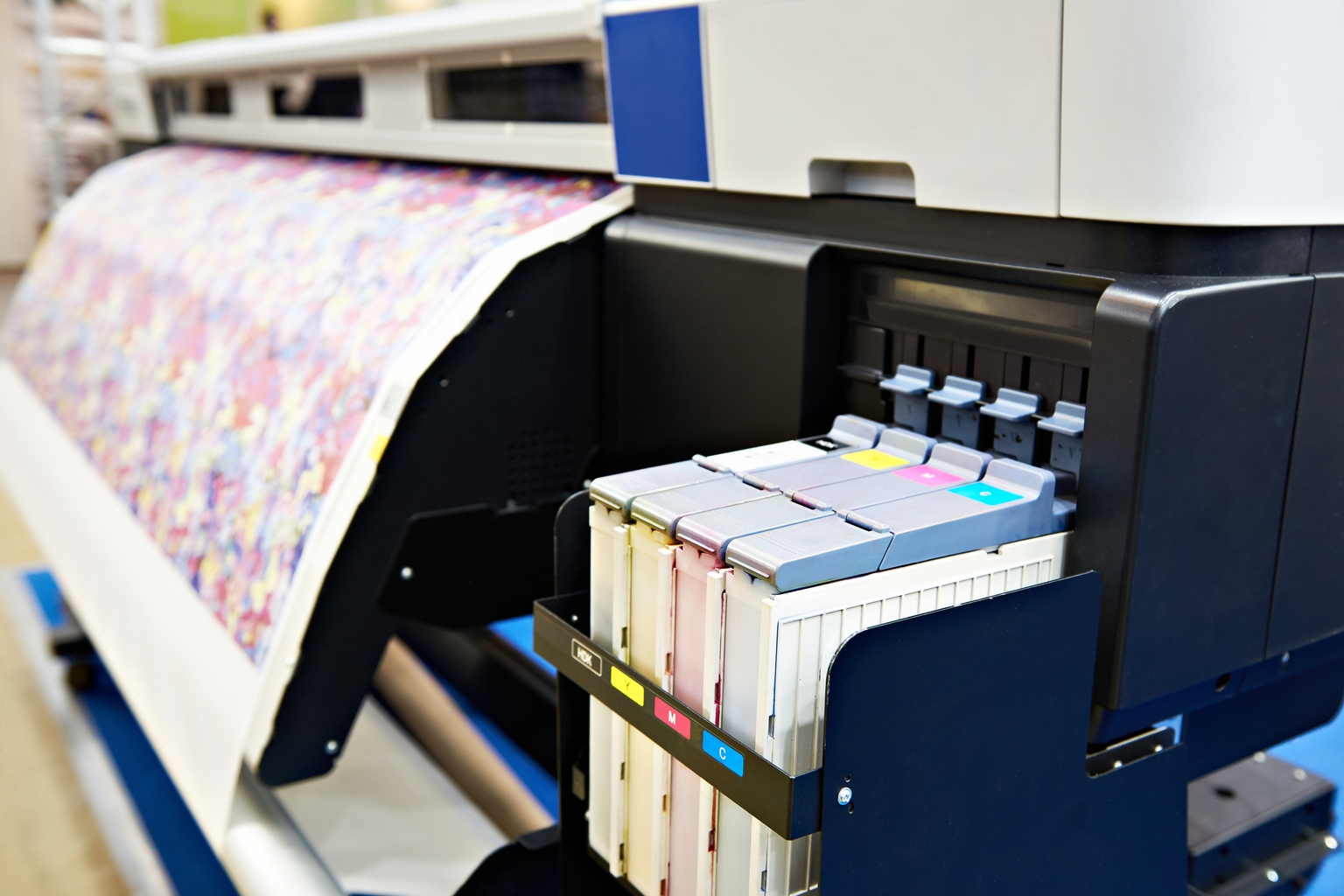
Kornit Digital (KRNT) reported Q4 revenue and profitability figures that topped the mid-point of management guidance. The company’s transition toward its high-margin recurring revenue model appears to be gaining traction, providing a clearer path to sustainable profitability for the digital printing specialist.
Earnings Performance and Margin Expansion
The Q4 results demonstrate the efficacy of Kornit’s shift away from a pure-play hardware sales focus. By prioritizing the adoption of its proprietary ink and service offerings, the firm is successfully smoothing out the historical volatility associated with large-scale industrial printer deployments. The beat relative to guidance confirms that the core customer base is increasing utilization rates, which is the primary lever for expanding gross margins in this business model.
Management emphasized that the transition is not merely a change in accounting, but a structural shift in how they monetize their install base. The pivot reduces the reliance on lumpy capital expenditure cycles, which historically left the stock vulnerable to quarterly revenue misses. Investors should now look for sustained improvement in the following areas:
- Consumable Attach Rates: Higher ink volume per printer is the leading indicator of long-term value.
- Service Contract Penetration: Recurring revenue from maintenance agreements provides a floor for cash flows.
- Direct-to-Garment (DTG) Adoption: Market share gains in the on-demand fashion sector remain the primary growth engine.
Market Context and Structural Shifts
For traders focusing on stock market analysis, KRNT represents a classic "turnaround" play that requires scrutiny of the transition timeline. Unlike legacy manufacturing firms, Kornit’s valuation is heavily tied to its software and ink annuity. When hardware sales slow, the stock often gets hammered, but the current pivot is designed to decouple cash flow from the cyclical nature of industrial equipment orders.
Compare the performance of KRNT to broader peer groups in the industrial technology space:
| Metric | Historical Hardware Focus | Current Recurring Model |
|---|
| Revenue Predictability | Low | High |
| Gross Margin Profile | Volatile | Stable/Improving |
| Customer Loyalty | Transactional | Strategic |
Trading Implications and Catalysts
Traders should monitor the stock’s reaction to the margin expansion data. If the company continues to beat expectations, the market may begin to rerate KRNT at a higher multiple, moving it from a "deep value" bucket into a "quality growth" category. However, the stock remains sensitive to global supply chain costs, which can intermittently pressure the cost of goods sold (COGS) and offset gains from the recurring revenue shift.
Watch the technicals near the recent resistance levels. A sustained break above the previous consolidation zone could signal that institutional investors are buying into the new business model. Conversely, any sign of softening in the ink attach rates will be viewed as a signal that the transition is stalling. Keep an eye on the market analysis desk for updates on how industrial tech valuations shift as interest rates stabilize.
Ultimately, the Q4 print provides the empirical evidence needed to validate the bull case for the transition strategy.