Stocks● Neutral
Kerala Election Rout: 13 Ministers Ousted in Performance Audit
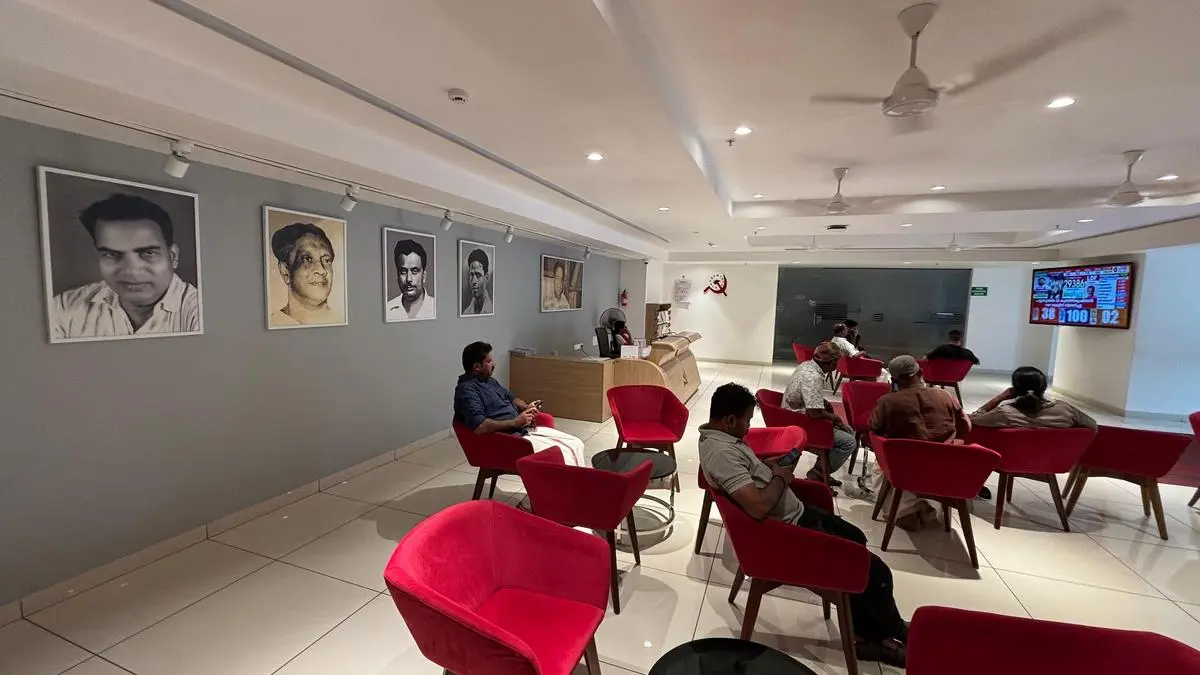
Voters ousted 13 ministers in the Kerala assembly elections, signaling a shift from party-brand loyalty to a rigorous, individual performance audit.
Continue with
The recent Kerala State assembly elections delivered a seismic shift in the regional political landscape, as voters decisively rejected the incumbent Left Democratic Front (LDF) government. In a result that has stunned observers, 13 of the 21 members of the LDF Cabinet led by Chief Minister Pinarayi Vijayan were defeated at the polls. This outcome marks a clear departure from traditional voting patterns, signaling that the electorate has moved beyond party-line loyalty to conduct a rigorous, individual performance audit of sitting ministers.
The Mechanism of Voter Disconnect
The scale of the defeat suggests a fundamental breakdown in the relationship between the governing body and the public. While the LDF maintained a strong focus on welfare distribution, this strategy failed to satisfy the rising aspirations of a modern electorate. A senior technocrat noted that the stagnation of productive sectors became a primary driver of anti-incumbency, a trend that remained largely undetected by standard surveys and exit polls. The disconnect stems from a shift in the unit of political decision-making. Where voters once selected a party brand, they are now evaluating individual leaders as distinct products.
This transition means that visibility no longer equates to electoral safety. High-profile ministers, including those previously viewed as future leadership material, were unable to survive this shift. The defeat of key figures such as Industry Minister P. Rajeev in Kalamassery, Health Minister Veena George in Aranmula, and Education and Labour Minister V. Sivankutty in Nemom illustrates that even articulate, high-visibility leaders are vulnerable when their perceived delivery fails to match their public profile. When awareness is divorced from tangible outcomes, the result is deep-seated voter disappointment.
The Shift from Brand to Product Evaluation
Political consultant Dominic Savio describes this phenomenon as a transition from brand-based voting to product-based assessment. In this new environment, a leader's USP—or "unique selling problem"—is the primary determinant of success. Voters are no longer interested in a recitation of past achievements; they are looking for leaders who can sharply identify current societal problems and position themselves as the most credible solutions. Many of the defeated ministers failed to establish this relevance, either by misidentifying the core issues or by failing to present a convincing path forward.