Stocks● Neutral
Keppel DC, DBS, FCT: Three Paths to Higher Dividends
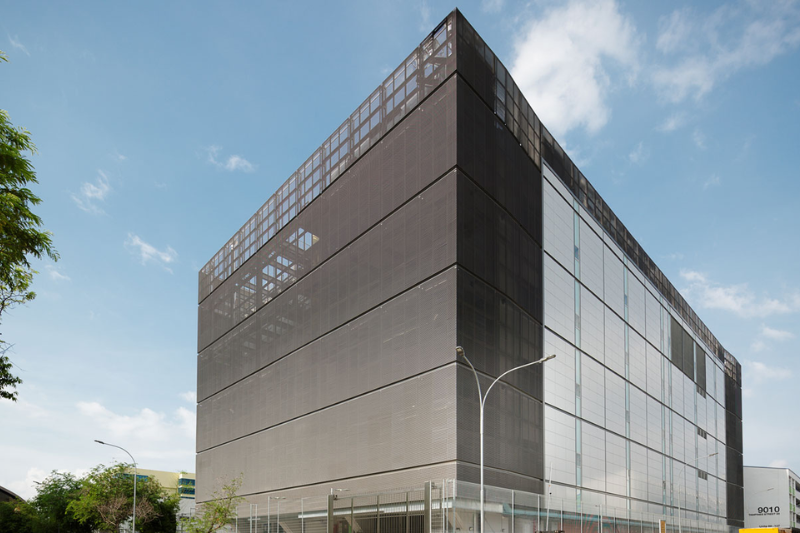
Keppel DC REIT's 13% DPU growth stems from 51% rental reversions. DBS raised dividends 8% on record fee income. FCT's NPI surged 20%; DPU rose just 1.4%.
Continue with
Three Singapore blue-chip stocks each raised their dividends in recent quarterly reports. The mechanisms behind those increases diverge in ways that matter for income investors.
Keppel DC REIT: 51% Rental Reversions Underpin 13% DPU Growth
Keppel DC REIT reported strong numbers for 1Q2026. Net property income (NPI) rose 19.4% year-on-year to S$105.2 million. Distributable income climbed 20.7% to S$74.6 million, translating into a distribution per unit (DPU) of S$0.02833 – an increase of 13.2% from a year ago.
Growth came from two sources:
- Contributions from the acquisition of Tokyo Data Centre 3 and the remaining interests in Keppel DC Singapore 3 & 4.
- Higher rents from contract renewals and rental escalations.
These gains more than offset the divestment of the Kelsterbach Data Centre in Germany.
Rental reversions of approximately 51% for contracts renewed during the quarter deserve attention. That number suggests the REIT's existing assets are rented well below current market rates. As those leases roll, the spread between passing rents and market rents creates a visible source of future organic DPU growth – without requiring further acquisitions.
Balance Sheet Improvement as a Tailwind
The balance sheet also strengthened. Aggregate leverage fell to 35.1%, leaving about S$550 million in debt headroom. The average cost of debt dropped 40 basis points year-on-year to 2.6%, with 84.8% of borrowings on fixed rates.
DBS: Fee Income Records Offset Interest Margin Compression
DBS posted a record total income of S$5.95 billion in 1Q2026, up just 1% year-on-year. The headline masks a deeper shift.
Net interest income (NII) fell 5% year-on-year to S$3.49 billion. The net interest margin (NIM) narrowed 23 basis points to 1.89%. Lower SORA and SOFR rates contributed to the compression. DBS compensated through its diversified franchise.
Non-interest income jumped 10% to S$2.45 billion. Key records included:
- Wealth management fees: S$907 million.
- Treasury customer sales: S$592 million.
Net profit edged up 1% to S$2.93 billion, and return on equity (ROE) held at 17.0%.