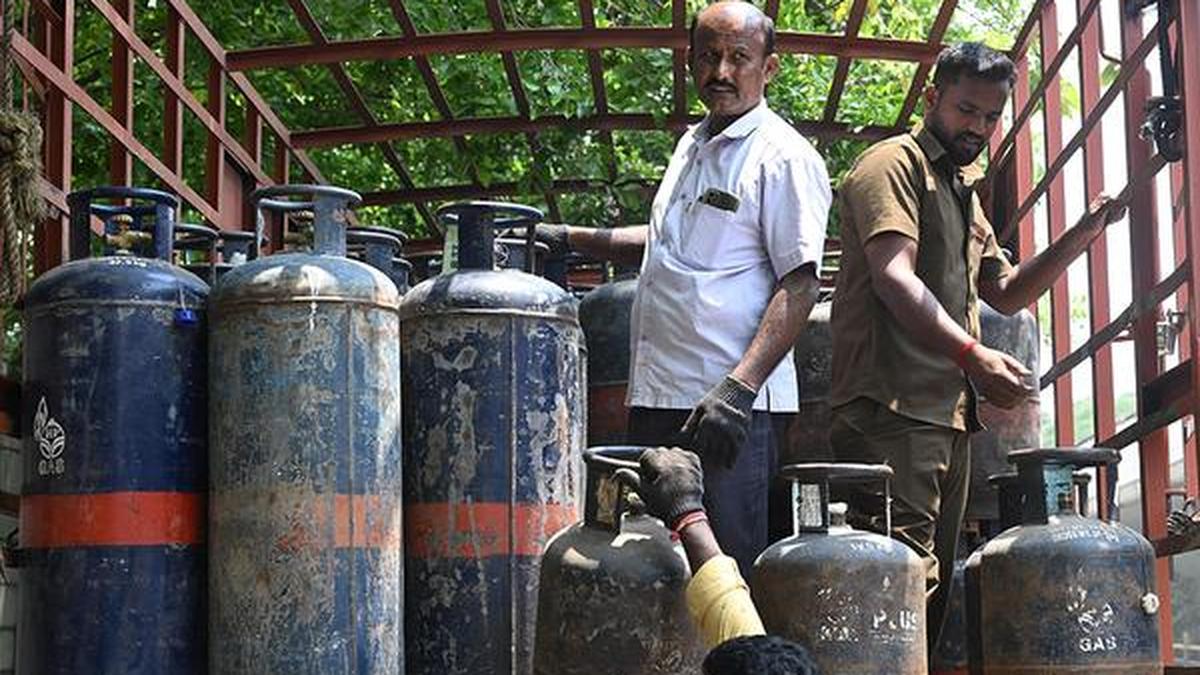
The Karnataka State Hotels Association has formally requested a reduction in the Goods and Services Tax applied to 19-kg commercial LPG cylinders. The industry group is pushing for a move from the current 18 percent rate to 5 percent to mitigate rising operational costs. This appeal follows a significant price adjustment on Friday, which saw the cost of commercial cylinders increase by ₹993 per unit.
Impact on Hospitality Margins
The hospitality sector in Karnataka faces immediate pressure from this cost hike. Commercial LPG is a primary utility for kitchen operations, and the sudden increase of ₹993 per cylinder represents a substantial shift in monthly overheads for small and medium-sized establishments. By seeking a lower tax bracket, the association aims to stabilize food and service pricing for consumers while protecting the thin margins typical of the regional restaurant industry.
Sectoral Cost Pressures
The request highlights the sensitivity of the service sector to energy-related input costs. While the hospitality industry has seen a recovery in demand, the ability to pass on utility cost increases to customers remains limited by competitive pricing pressures. If the government does not provide relief through tax adjustments, establishments may be forced to absorb the costs, potentially impacting future capital expenditure or employment levels within the sector.
AlphaScala Market Context
Broader industrial and consumer cyclical sectors often face similar volatility when energy inputs spike. Investors tracking these trends often monitor how companies like those found on our stock market analysis page manage margin compression during inflationary cycles. For context, firms like ON Semiconductor Corporation (ON stock page) currently hold an Alpha Score of 46/100, reflecting the mixed sentiment often seen in sectors sensitive to supply chain and utility costs.
Next Decision Point
The next concrete marker for this issue will be the formal response from the Ministry of Finance or the GST Council regarding the tax structure for commercial fuels. Any decision to reclassify these items or offer targeted subsidies will serve as a bellwether for how the government intends to manage utility-driven inflation for the hospitality sector in the coming fiscal quarters.